
Crohn's Diet Overview: Flare, Remission, and What "Diet" Really Means
Posted on September 13, 2026 · Nutrition
Content note: Educational content aligned with publicly available patient materials from the Crohn's & Colitis Foundation and other major IBD education sources. Content is used under license from the Foundation for patient education; the Foundation does not endorse IBDPal or MediVue products or services. Last reviewed August 2026. Not individual medical advice.
Educational use only. IBDPal does not provide medical advice, diagnosis, or treatment. Always consult your gastroenterologist or IBD care team for personal decisions.
Searches for Crohn diet or Crohn's diet spike whenever symptoms change. People want a map: what helps in a flare, what supports remission, and which internet rules to ignore. There is no single Crohn's cure diet. The best pattern depends on disease location, strictures, surgeries, medicines, culture, and tolerances. This overview is educational, not a meal prescription.
The most important mindset shift
Food can ease symptoms and protect nutrition status. Medicine treats inflammation. Confusing those jobs leads to under-eating, fear, and delayed care. A useful Crohn's diet plan protects calories and micronutrients, reduces symptom triggers you have verified, and stays flexible as disease activity changes.
Use the Crohn's diet nutrition guide, what should I eat, and the complete IBD nutrition guide alongside this overview.
Flare phase: gentler, not empty
During active Crohn's, many people prefer smaller meals, softer textures, and less insoluble fiber. That might mean white rice, peeled cooked vegetables, tender proteins, and careful dairy trials. The risk is cutting so many foods that weight and strength fall. If intake collapses, ask about oral supplements or enteral nutrition early.
See the companion hub flare foods for IBD, foods to eat in a Crohn's flare, and low-residue diet in a flare.
Remission phase: rebuild variety on purpose
Remission is the time to widen the plate, not stay stuck on beige foods forever. Mediterranean-style patterns, adequate protein, colorful plants your gut accepts, and enjoyable cultural staples support long-term health. Reintroduce one change at a time and log outcomes for clinic visits.
Read what remission means, anti-inflammatory diet themes, Mediterranean pattern notes, and protein meal ideas in remission.
Fiber is timing, not a moral rule
Fiber is not universally bad in Crohn's. Soluble fiber can be soothing for some people. Insoluble skins, seeds, and raw salads can aggravate others, especially with strictures. Ask your clinician whether your anatomy needs temporary fiber limits. Blind lifelong low-fiber diets can worsen constipation or micronutrient gaps for the wrong patient.
Deepen with fiber and the IBD diet and fiber, prebiotics, and feeds.
Protein, calories, and unintentional weight loss
Inflammation and diarrhea raise energy needs while nausea lowers intake. Unintentional weight loss deserves a clinic conversation, not only a new grocery list. Prioritize protein at each eating occasion and ask about shakes if solids are hard. Track weight weekly during unstable periods.
See unintentional weight changes, protein for healing, and oral nutrition shakes.
Micronutrients Crohn's patients ask about often
Iron, B12, folate, vitamin D, calcium, zinc, magnesium, and potassium come up repeatedly after small-bowel disease or resection. Food helps, but labs and supplements may still be needed. Do not start high-dose iron or megavitamins without guidance if they worsen stools or interact with medicines.
Browse micronutrient deficiencies, iron deficiency anemia, iron, B12, and vitamin D, and nutrition targets in IBDPal.
Popular named diets: how to think about them
Exclusive enteral nutrition, partial enteral nutrition, Mediterranean patterns, and carefully supervised elimination trials each have different evidence and practical burdens. Social media "autoimmune diets," juice cleanses, and extreme carnivore claims often overpromise. If you try a structured plan, do it with a clinician and a plan to stop if weight or labs worsen.
Compare enteral nutrition, EEN vs PEN, FODMAP basics, carnivore myths, and juice cleanse cautions.
Cultural staples belong in a Crohn's diet plan
Rice porridge, dal textures, soft chapati, paneer, tortillas, and other staples can fit when prepared for your current tolerance. A good plan respects culture instead of importing someone else's grocery list. Ask a dietitian how to adapt family recipes during flares and remissions.
Examples: congee, dal, chapati, paneer, tortillas.
Tracking that makes clinic visits faster
Log stool frequency, blood, pain after meals, skipped foods, and weight. Note whether symptoms track with missed medicines or infection exposures. Apps like IBDPal or a simple notebook beat memory alone when comparing flare and remission weeks.
Try food pain tracker, tracking food and symptoms, and visit prep.
Questions for your gastroenterologist or dietitian
- Given my disease location and surgeries, which textures should I limit?
- What weight or lab trend should trigger nutrition support?
- Is a short elimination trial useful, or should we focus on treating inflammation first?
- Which micronutrients should we check this season?
- How do my medicines (steroids, methotrexate, biologics) change nutrition priorities?
Disease location changes the diet conversation
Ileal Crohn's, colonic Crohn's, perianal disease, and post-resection anatomy each shift priorities. Bile acid diarrhea after terminal ileum surgery can look like a flare but needs a different toolkit. Stricturing disease may limit skins, nuts, and raw fibrous salads even in quieter periods. Always ask your team to translate your last imaging and operative notes into food guidance.
Complementary reading includes chronic diarrhea causes and surgery and ostomy education themes.
Steroids, appetite, and the grocery cart
Prednisone can spike hunger and blood sugar while masking how sick the bowel still is. That combination tempts large high-sugar intakes that later feel destabilizing. Plan protein-forward groceries before a taper starts when possible. As steroids drop, appetite may crash just as you need nutrition for healing. Coordinate with the taper article at steroid taper expectations and prednisone diet notes if available on your site library.
Work, school, and meal timing with Crohn's
A Crohn's diet overview is incomplete without logistics. Pack safe backups in bags and desk drawers. Know bathroom locations. Prefer meals that reheat gently rather than relying on spicy cafeteria unknowns during unstable weeks. Disability accommodations can include snack breaks and flexible timing around infusions or procedures.
See workplace and school rights and infusion day planning.
Sample remission plate building blocks
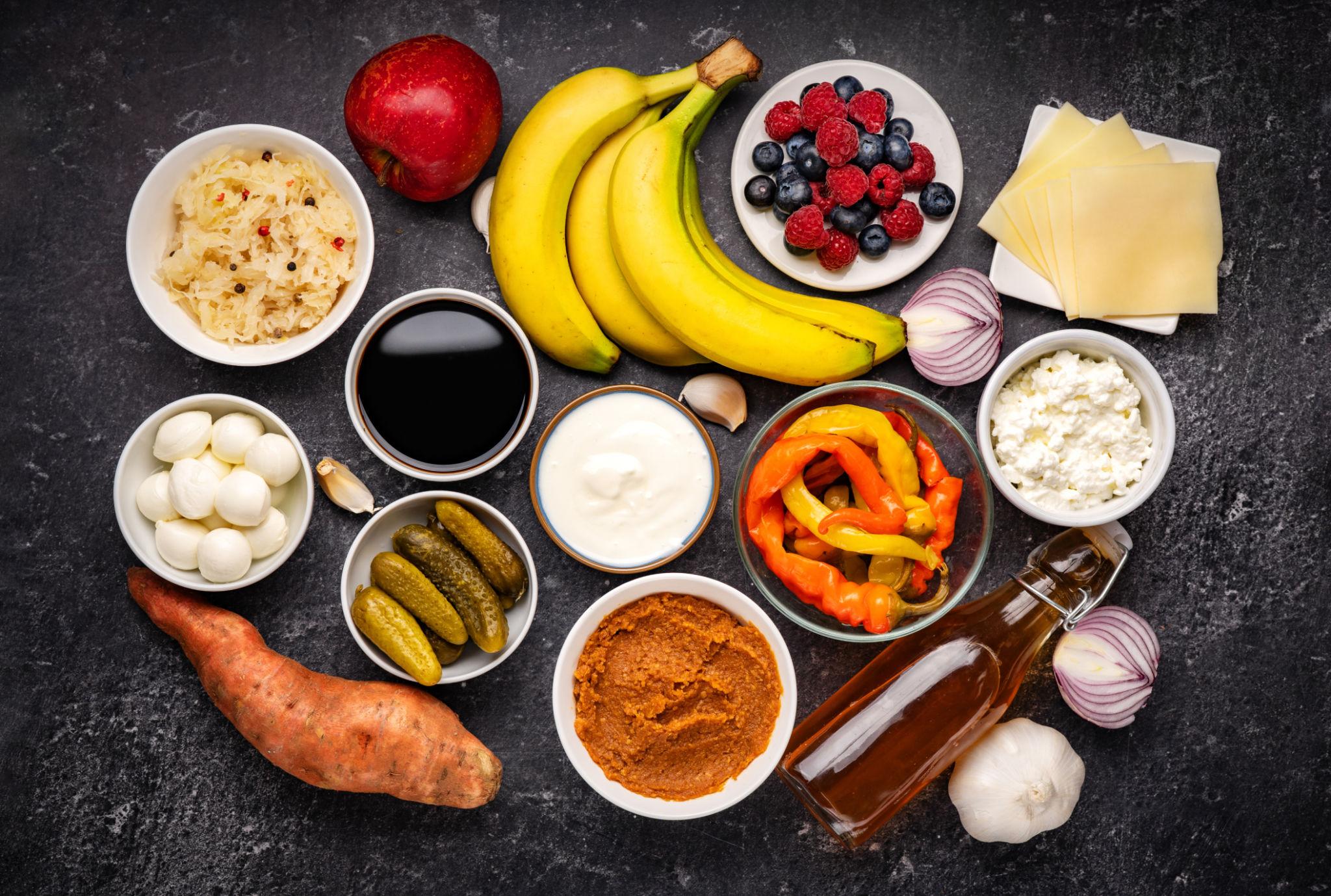
Once inflammation is quieter, build plates with a protein, a carbohydrate you digest well, a colorful plant your gut accepts, and fluid. Examples many dietitians discuss: salmon with rice and cooked carrots; tofu with soft tortillas and avocado if tolerated; eggs with potatoes and spinach cooked tender; yogurt bowls with ripe fruit and smooth nut butter. Variety across the week matters more than perfection at a single meal.
Food deep dives: salmon, tofu, avocado, spinach.
How to run a fair food trial
Change one variable. Keep portion modest. Maintain the rest of the day's pattern. Log symptoms for 48 to 72 hours. Avoid starting three new supplements, a new workout, and a new cuisine in the same weekend. If anxiety about food is extreme, ask for dietitian or mental health support so fear does not become its own disease burden.
When Crohn's diet content online becomes harmful
Be cautious with accounts that shame medication, promise cure diets, or encourage dropping below a healthy weight. Credible education cites clinical partnership and acknowledges uncertainty. If reading leaves you terrified to eat, step away and return to your clinic plan plus a short trusted list of pages.
Balanced anchors: Eating With IBD, book guide, resource library.
Checklist before your next nutrition visit
- Three-day food and symptom log
- Weight trend for the last month
- List of eliminated foods and why
- Operative history and known strictures
- Current medicines and recent labs
- Top three quality-of-life food goals
Bring that packet to GI and dietitian visits so advice matches your real pattern rather than a generic Crohn's stereotype.
Enteral nutrition as part of a Crohn's diet plan
Exclusive or partial enteral nutrition can be a primary therapy in some settings, especially pediatric Crohn's, and a supportive tool in adults. Formula choice, duration, and food reintroduction should be supervised. Taste fatigue is real; plan flavor rotations and social strategies before day fourteen.
Read enteral nutrition, EEN vs PEN, taste fatigue, and reintroduction.
Constipation and diarrhea can coexist over months
A Crohn's diet overview must leave room for mixed patterns: diarrhea after meals yet hard pellets at other times, or strictures with overflow loose stools. Blindly adding fiber for "health" can backfire. Blindly restricting all plants can also backfire. Symptom charts beat slogans.
See constipation in IBD and Bristol stool chart.
Budget-conscious Crohn's eating
IBD nutrition advice sometimes assumes specialty groceries. Beans may be limited in strictures, but eggs, rice, frozen poultry, bananas, potatoes, and store-brand oral rehydration remain accessible for many households. Food banks and social work referrals are appropriate when inflammation and finances collide. Ask your clinic about local resources without shame.
Post-resection nutrition themes
After ileocecal resection or other bowel surgery, bile acid diarrhea, B12 risk, and hydration needs may change permanently. A Crohn's diet overview should be rewritten with your operative note in hand. Ask whether bile acid binders, B12 injections, or long-term lab calendars belong in your plan. Peer support helps with daily living while clinicians own medicine and lab decisions.
See surgery peer support, nutrition after surgery, and B12 and related micronutrients.
Alcohol, cannabis edibles, and "natural" products
Patients often ask whether alcohol or edibles are compatible with Crohn's goals. Effects on motility, sleep, calorie intake, and medicine adherence vary. Honest logging beats secrecy. Disclose use so clinicians can interpret symptoms and drug levels fairly.
Related caution pages: alcohol and IBD and your clinic's controlled-substance guidance.
Putting the overview into a 30-day experiment
Week 1: stabilize intake with safe foods and fluids. Week 2: add protein targets. Week 3: trial one new plant food. Week 4: review logs with GI or dietitian and set the next month's goal. Thirty days of structured curiosity teaches more than a year of chaotic restriction.
Keep flare foods bookmarked if symptoms surge mid-experiment, and return to medical evaluation rather than blaming yourself.
Crohn's diet FAQ
Is there a official Crohn's diet? No single official curative diet. Guidelines emphasize individualized nutrition support and treating inflammation.
Do I need organic only? Not required for disease control. Food security and adequate intake matter more than organic labels.
Can spices ever return? Often yes in remission, introduced gradually. Flare weeks are the wrong time to test ghost peppers.
How do I eat at holidays? Scout menus, eat safe foods first, and bring a backup side. See holiday and travel articles in the library when planning big events.
What if family pressures food? Use a short script: "My gut is sensitive this week; I am sticking to foods my clinic knows work for me." Offer to help with a simple dish you can share.
Keep using flare foods during loud weeks and this overview for the long arc between flares.
Key takeaways
- Use this page as patient education for clinic conversations, not as a personal prescription.
- Match actions to your disease location, surgeries, and medicines with your care team.
- Track a few reliable signals for two weeks so visits move faster.
- Return to linked IBDPal hubs when you need a narrower deep dive.
- Seek urgent care for red-flag symptoms rather than adjusting plans alone.
Educational materials inspired by common Crohn's & Colitis Foundation patient education themes work best beside your gastroenterology team. Save this article, share it with a caregiver if helpful, and bring two questions from it to your next message or visit.
Working with fear of food without losing nutrition
After repeated flares, some people develop a conditioned fear that every meal will cause pain. That fear is understandable and treatable. Exposure to safe foods with dietitian support, while inflammation is addressed medically, prevents long-term under-eating. Mental health care for ARFID-like patterns or anxiety belongs in the same conversation as Crohn's diet education.
If fear is driving intake below needs, say that plainly at visits. It is clinical information, not weakness. Pair nutrition goals with mental health resources and stress coping.
Save this article to your phone notes or patient portal favorites so you can find it during a noisy symptom week. Share it with a caregiver only if that feels supportive. Education works best when it reduces panic and improves the quality of questions you bring to professionals who know your history.
Related: Eating With IBD book, book guide, newly diagnosed hub, resource library.
Photos: Unsplash License (free use).
Medical Disclaimer
This article is for educational purposes only and should not replace professional medical advice, diagnosis, or treatment. Always consult your healthcare provider regarding dietary, medication, or lifestyle decisions.
Was this article helpful?