
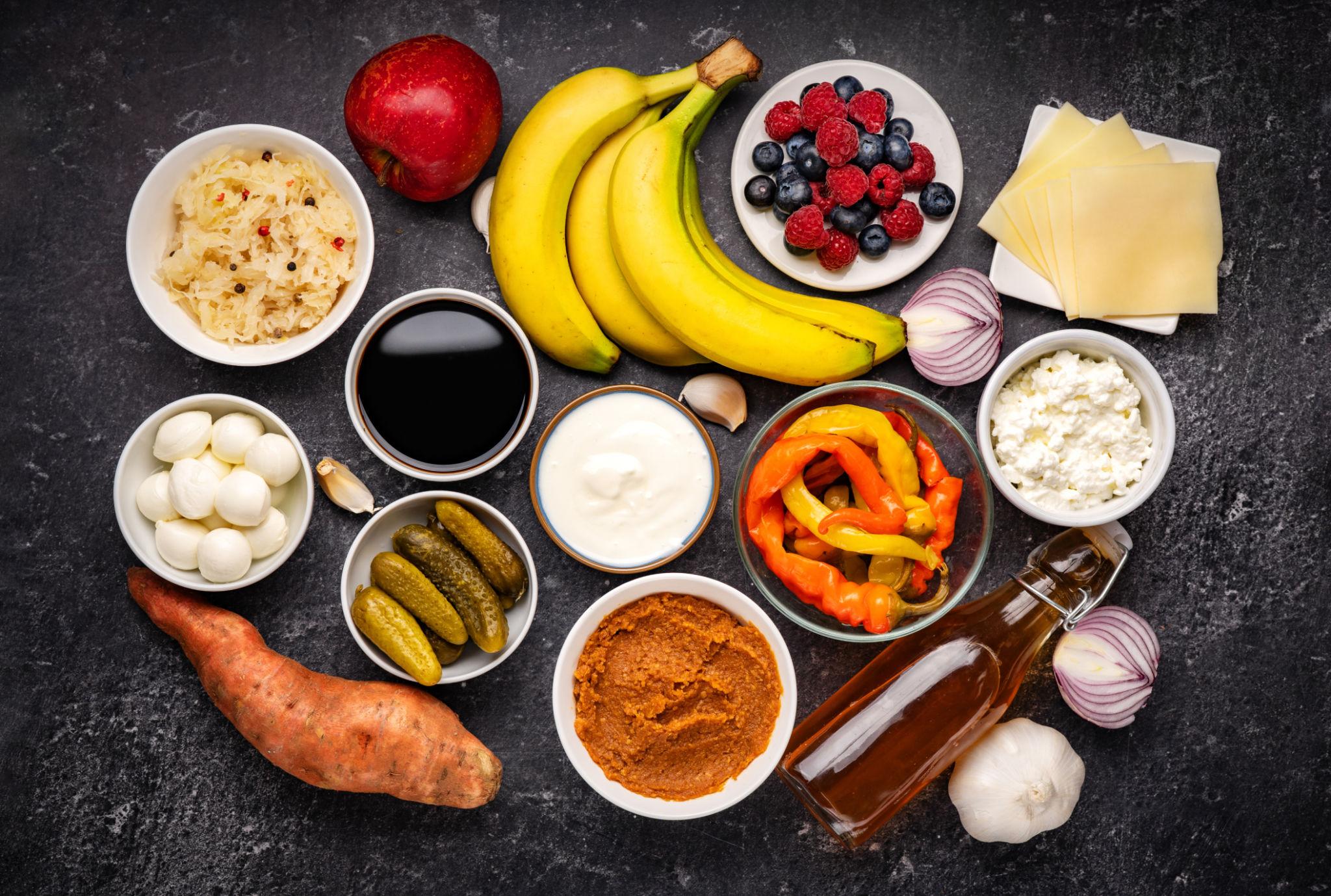
Complete IBD Nutrition Guide: Flare Eating, Remission, and Key Patterns
Posted on July 21, 2026 · Nutrition
Content note: Educational content aligned with publicly available patient materials from the Crohn's & Colitis Foundation and other major IBD education sources. Content is used under license from the Foundation for patient education; the Foundation does not endorse IBDPal or MediVue products or services. Last reviewed August 2026. Not individual medical advice.
Educational use only. IBDPal does not provide medical advice, diagnosis, or treatment. Always consult your gastroenterologist or IBD care team for personal decisions.
Nutrition will not cure Crohn's disease or ulcerative colitis, but it strongly shapes energy, healing capacity, and day-to-day comfort. This pillar page maps the main patterns patients ask about and points you to deeper IBDPal articles. Work with your gastroenterologist and, when possible, an IBD-experienced registered dietitian. CCF nutrition education stresses individualized plans over one-size internet diets.
Start with goals, not perfection
During active flares the goal is often adequate calories, protein, and fluids with gentler textures. In remission the goal shifts toward variety, micronutrients, and sustainable habits. Weight trends, labs, and symptoms guide changes more than influencer rules.
Hydration as a daily foundation
Diarrhea, fever, and heat raise fluid needs. Sip steadily, know your urine color cues, and ask about oral rehydration when losses are high. See hydration tips for IBD and the hydration fluids guide.
Fiber: context matters
Soluble and insoluble fiber behave differently, and strictures change what is safe. Some people tolerate oats and peeled produce in remission yet need lower fiber during severe colitis. Read fiber and IBD diet before making large changes, especially if you have known narrowing.
Low-residue patterns during flares
Temporary low-residue eating can reduce stool bulk and urgency for selected patients. It is not meant as a forever diet. Details and sample ideas: low-residue diet for flares.
Dairy and lactose
Lactose intolerance can appear or worsen during inflammation even if you tolerated milk before. Lactose-free dairy or alternatives may help while calcium and vitamin D still need attention. Guide: dairy and lactose in IBD.
Low-FODMAP trials
A short, dietitian-supervised low-FODMAP trial sometimes reduces gas and bloating when IBS-like symptoms overlap with IBD in remission. It is not a cure for inflammation and should not replace medical therapy. Overview: FODMAP diet for Crohn's and colitis.
Protein, micronutrients, and unintentional weight change
How to use this pillar
Pick one focus for the next two weeks (hydration, protein, or flare textures), track symptoms, and bring results to clinic. Extreme elimination diets that leave you underfed can worsen outcomes. Reliable nutrition support pairs medical therapy with practical food skills, not fear. If grocery shopping feels overwhelming during a flare, keep a short list of previously tolerated staples and revisit broader variety only after symptoms stabilize with your team's guidance.
Flare versus remission frameworks
Nutrition goals shift with inflammation. Flares prioritize hydration, gentle textures, and adequate protein without over-restricting.
Remission expands variety, fiber, and social eating with continued monitoring.
No single food list fits all patients or all seasons of disease.
Macronutrient and micronutrient pillars
Protein spreads across meals supports mucosal repair.
Iron, B12, vitamin D, zinc, and calcium need periodic labs.
Healthy fats aid calories when malabsorption is absent.
Common diet patterns in practice
Low residue, low FODMAP, Mediterranean, and EEN are tools with different indications.
Cultural foods belong in plans when adapted for texture and spice.
Avoid unregulated cleanse protocols marketed online.
Working with your team
Food logs, weight trends, and calprotectin guide adjustments.
Dietitians translate medical goals into grocery lists.
Medication adherence remains central alongside nutrition.
Common questions
Can diet replace biologics?
No for most patients. Nutrition supports but rarely replaces advanced therapy.
Should I eliminate all sugar?
Unnecessary for many. Excess may worsen symptoms individually.
How often repeat nutrition labs?
At least yearly, more often with active disease or surgery history.
Bookmark one trusted guide rather than dozens of conflicting blogs.
Revisit nutrition goals after every major disease change.
Bring a written symptom and medication list to each gastroenterology visit so limited appointment time is used well.
Patient education supports shared decision making; it does not replace individual medical assessment by your IBD team.
Track patterns over one to two weeks before clinic visits because single-day snapshots can mislead both you and your clinician.
Tell your team about travel, work stress, sleep changes, and menstrual cycle timing when symptoms shift unexpectedly.
Medication adherence and follow-up labs are as important as diet changes for many people living with Crohn's disease or ulcerative colitis.
Related: nutrition overview guide, foods during Crohn's flare, IBDPal nutrition tracking.
Photos: Unsplash License (free use).
Medical Disclaimer
This article is for educational purposes only and should not replace professional medical advice, diagnosis, or treatment. Always consult your healthcare provider regarding dietary, medication, or lifestyle decisions.
Was this article helpful?