
Low-Residue Diet During an IBD Flare: A Practical Lifestyle Guide
Posted on June 1, 2026 · Nutrition
Content note: Educational content aligned with publicly available patient materials from the Crohn's & Colitis Foundation and other major IBD education sources. Content is used under license from the Foundation for patient education; the Foundation does not endorse IBDPal or MediVue products or services. Last reviewed August 2026. Not individual medical advice.
Educational use only. IBDPal does not provide medical advice, diagnosis, or treatment. Always consult your gastroenterologist or IBD care team for personal decisions.
When symptoms flare, food can feel like a guessing game. A low-residue approach, eating foods that leave less bulk in the digestive tract, is sometimes suggested for short periods to give the bowel a break. It is not a forever diet, and it is not right for everyone. Think of it as a temporary “quiet menu” you shape with your clinician.
What “Low-Residue” Means in Everyday Life
Residue refers to the parts of food that are not fully digested and that add volume to stool. During active inflammation, smaller, gentler meals may feel easier. Low-residue patterns often emphasize refined grains, well-cooked vegetables without skins, tender proteins, and smooth textures, while limiting high-fiber whole grains, nuts, seeds, and tough raw produce.
Your team may recommend something different based on whether you have Crohn’s disease, ulcerative colitis, strictures, or recent surgery. That is why a personalized plan matters more than any blog checklist.
Foods People Often Tolerate Better
- White rice, pasta, or potatoes without skins
- Refined bread or crackers
- Eggs, fish, or tender chicken
- Smooth nut butters in small amounts if approved
- Ripe banana, melons, or canned fruit (no skins)
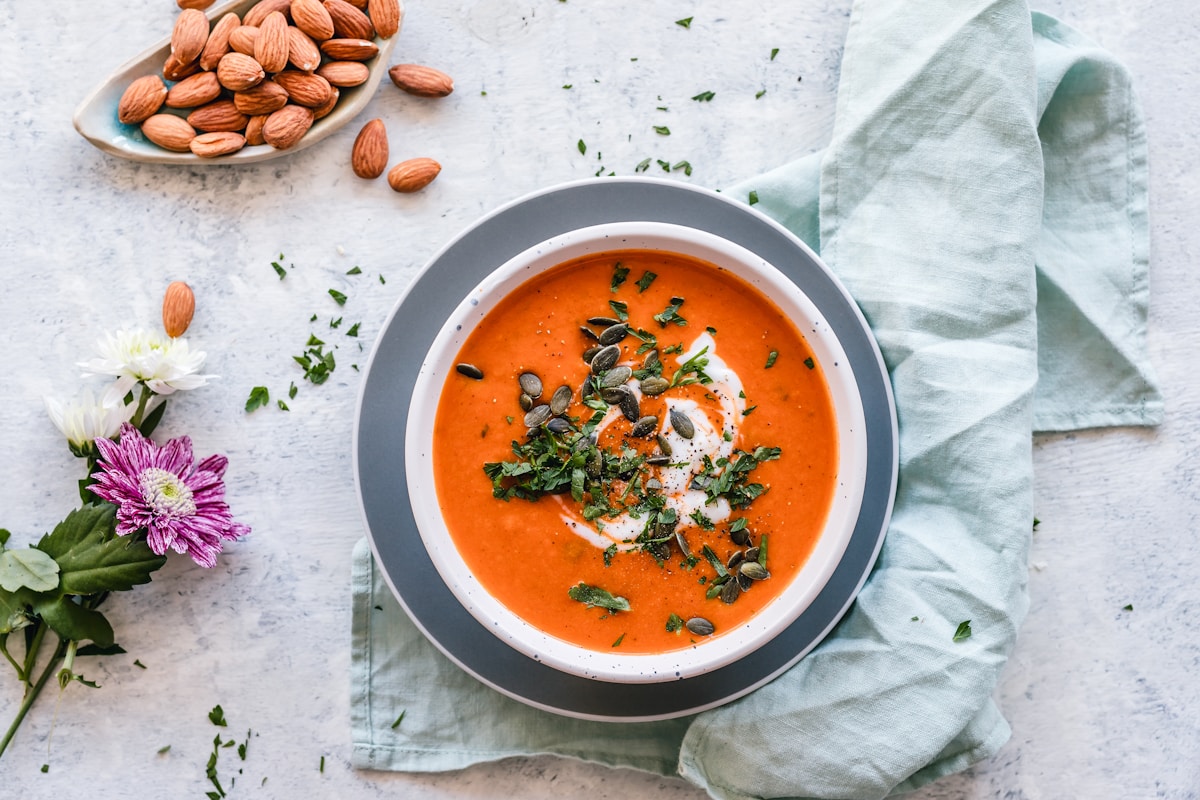
- Broth-based soups and strained oatmeal
Foods Many People Scale Back Temporarily
- Beans, lentils, and chunky chili
- Nuts, seeds, and popcorn
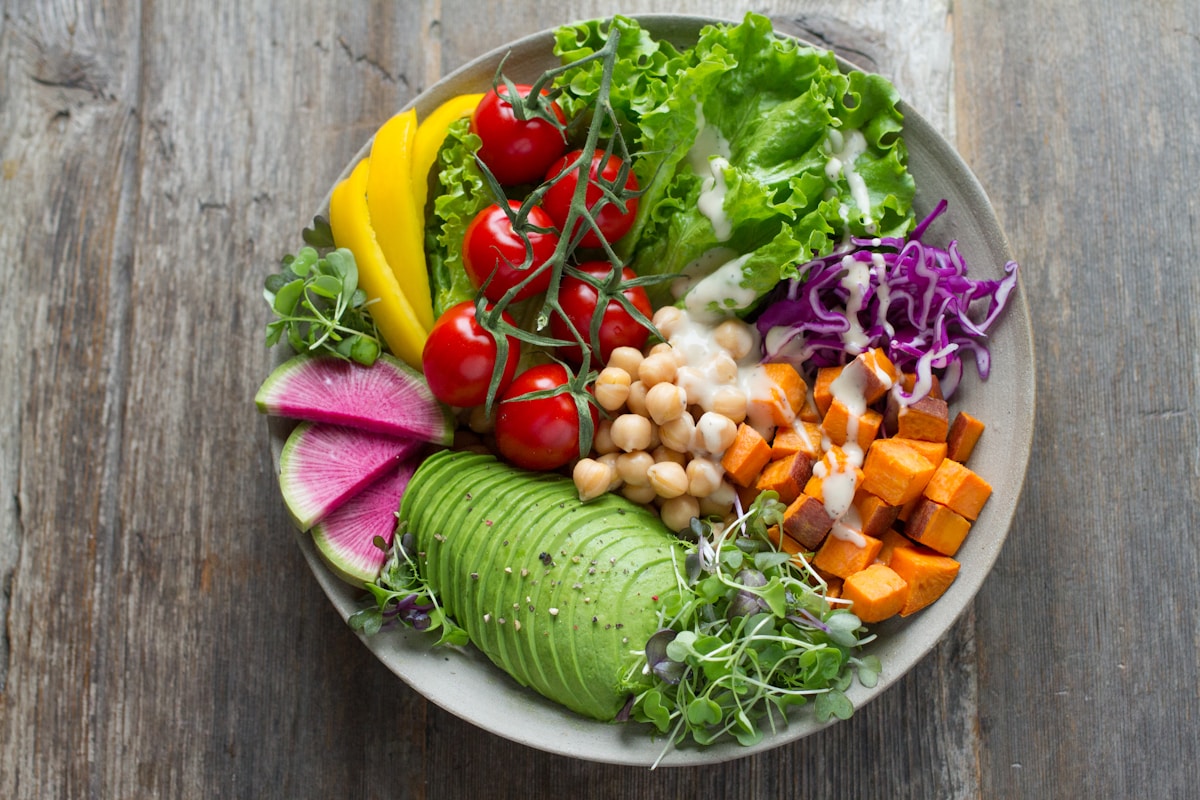
- Raw vegetables and leafy salads
- Tough meats and sausage casings
- High-fiber cereals and bran muffins
Triggers are individual. Tracking with IBDPal can help you notice what felt calm versus what stirred up urgency, pain, or fatigue, then bring that log to your visit.
Sample Gentle Day (Illustration Only)
Breakfast: Scrambled eggs, white toast, and half a ripe banana.
Midday: Turkey sandwich on soft bread, applesauce, and water or electrolyte fluids.
Dinner: Baked salmon, white rice, and well-cooked carrots.
Snacks: Yogurt (if dairy works for you), rice pudding, or a smoothie without seeds.
Portions matter. Eating smaller amounts more often can feel kinder than three large meals.
Lifestyle Tips Beyond the Plate
Flares are exhausting. Give yourself permission to simplify cooking, sheet-pan meals, rotisserie chicken with rice, or asking for help. Keep hydration steady; diarrhea plus a limited menu can sneak up on fluid needs.
Plan groceries like you plan rest: a short list of “safe basics” reduces decision fatigue. If cooking smells worsen nausea, eat in a ventilated space or choose cooler foods.
Working With Your Care Team
Ask how long to stay low-residue, which fiber sources to reintroduce first, and whether you need calcium or multivitamin support while menus are narrow. Do not stay on a restrictive pattern longer than directed, your gut still needs balanced nutrition over time.
When to Seek Prompt Medical Advice
Contact your clinician if you see significant weight loss, blood in stool, fever, severe pain, or signs of dehydration. This article cannot tell you whether you need medication changes or hospital care.
Photos: Unsplash License (free use).
Medical Disclaimer
This article is for educational purposes only and should not replace professional medical advice, diagnosis, or treatment. Always consult your healthcare provider regarding dietary, medication, or lifestyle decisions.
Was this article helpful?