
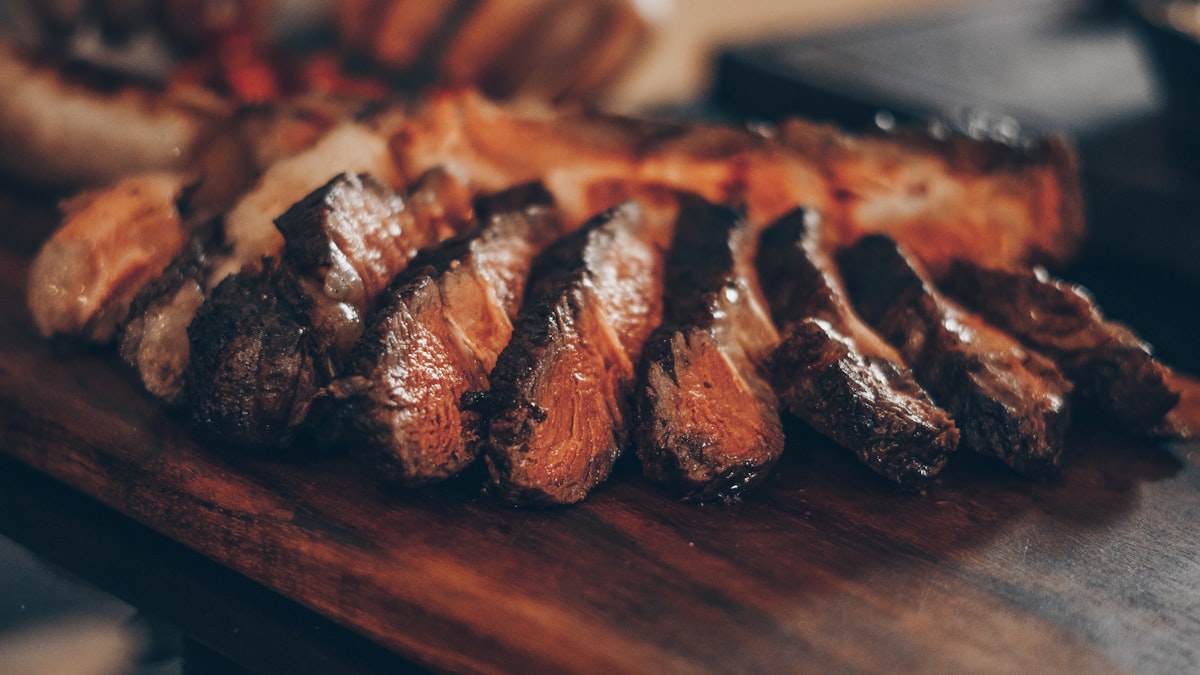
Carnivore Diet and IBD: Myths, Risks, and What Evidence Says
Posted on August 15, 2026 · Nutrition
Content note: Educational content aligned with publicly available patient materials from the Crohn's & Colitis Foundation and other major IBD education sources. Content is used under license from the Foundation for patient education; the Foundation does not endorse IBDPal or MediVue products or services. Last reviewed August 2026. Not individual medical advice.
Educational use only. IBDPal does not provide medical advice, diagnosis, or treatment. Always consult your gastroenterologist or IBD care team for personal decisions.
Carnivore diet content often promises to heal IBD by cutting every plant food. Inflammation control still belongs with your gastroenterology plan. This page separates marketing slogans from practical nutrition questions.
What the carnivore pitch claims
All-meat plans remove fiber, most plant micronutrients, and usual carbohydrate sources.
- Anecdotes of short-term symptom calm are not the same as mucosal healing
- Zero fiber can feel easier during a flare but is not a lifelong evidence-based IBD diet
- Iron and protein may rise while vitamin C, folate, and magnesium often fall without planning
- Constipation, lipid changes, and kidney stone risk discussions appear in clinic visits
- Strict exclusion can shrink food variety and raise anxiety around eating
Safer framing if you are curious
- Ask whether a supervised, temporary low-residue phase fits your flare, not a permanent carnivore identity
- Keep prescribed medicines and monitoring on schedule
- Review labs for anemia, lipids, and vitamin status before extreme restriction
- Work with an IBD-aware dietitian if you need higher protein without cutting all plants forever
Online carnivore challenges are not clinical protocols. Do not stop biologics or other therapy because a influencer said meat cured them.
When to seek care promptly
- Black stools, heavy bleeding, or fainting
- Rapid weight loss with inability to keep food down
- Chest pain or severe dehydration
This page cannot diagnose you. Severe bleeding, black tarry stools, fainting, fever with rapid decline, or inability to keep fluids down need urgent evaluation. See when to go to the ER and flare help.
Common myths
- Carnivore cures Crohn's. No high-quality evidence supports that claim.
- All plants inflame the gut. Tolerance is individual; many plant foods are used in remission diets.
- If meat feels better, fiber is poison forever. Texture and portion often matter more than a permanent ban.
Questions for your gastroenterologist
- Is a short low-residue plan appropriate for my current flare?
- Which micronutrients should we monitor if I restrict plants?
- How do we rebuild a balanced plate in remission?
Track patterns in IBDPal and bring a one-week log to visits. Related: nutrition hub · fiber and IBD · protein and ONS. Hub: stool and labs decoder.
What the carnivore diet claims
All-meat elimination diets promise remission by removing plants entirely. Social media testimonials rarely show concurrent medical therapy.
Long-term plant-free eating risks fiber deficiency, dysbiosis, cardiovascular strain, and nutrient gaps.
No large randomized trials support carnivore diets for Crohn's or ulcerative colitis.
Risks specific to IBD patients
High red and processed meat intake correlates with worse outcomes in some epidemiologic studies.
Constipation from zero fiber worsens stricture-prone Crohn's patients.
Kidney stress and hyperlipidemia matter on immunosuppression already affecting cardiovascular risk.
Why elimination feels helpful briefly
Removing FODMAPs and fiber can reduce gas short term while inflammation may still smolder.
Placebo and regression to the mean explain some online success stories.
Calories from fat and protein may stabilize weight temporarily.
Evidence-based alternatives
Mediterranean-style patterns with tolerated plants support long-term health in remission.
Exclusive enteral nutrition is a supervised medical elimination with exit plans.
Work with IBD dietitians instead of influencer meal plans.
Common questions
Can carnivore diet cure colitis?
There is no cure via meat-only eating. Inflammation needs medical monitoring.
Is carnivore low FODMAP?
It eliminates FODMAPs but adds other risks. It is not equivalent to dietitian-led FODMAP trials.
What if I feel better on all meat?
Tell your GI team. Hidden inflammation may still need labs or scopes.
Save restrictive diet questions for dietitian visits, not anonymous forums.
Track calprotectin, not only stool comfort, during diet experiments.
Bring a written symptom and medication list to each gastroenterology visit so limited appointment time is used well.
Patient education supports shared decision making; it does not replace individual medical assessment by your IBD team.
Track patterns over one to two weeks before clinic visits because single-day snapshots can mislead both you and your clinician.
Tell your team about travel, work stress, sleep changes, and menstrual cycle timing when symptoms shift unexpectedly.
Medication adherence and follow-up labs are as important as diet changes for many people living with Crohn's disease or ulcerative colitis.
Photos: Unsplash License (free use).
Medical Disclaimer
This article is for educational purposes only and should not replace professional medical advice, diagnosis, or treatment. Always consult your healthcare provider regarding dietary, medication, or lifestyle decisions.
Was this article helpful?