

Infusion Day With IBD: What Many Patients Pack and Expect
Posted on June 22, 2026 · Clinical
Content note: Educational content aligned with publicly available patient materials from the Crohn's & Colitis Foundation and other major IBD education sources. Content is used under license from the Foundation for patient education; the Foundation does not endorse IBDPal or MediVue products or services. Last reviewed August 2026. Not individual medical advice.
Educational use only. IBDPal does not provide medical advice, diagnosis, or treatment. Always consult your gastroenterologist or IBD care team for personal decisions.
Infusion appointments for biologics, iron, or other IBD-related treatments can take hours. Knowing what to expect reduces anxiety for teens and adults alike.
What to bring
- Insurance card and photo ID
- List of current medications and allergies
- Layers, socks, neck pillow, headphones, or a book
- Snacks and water if your center allows them
- Phone charger and downloaded shows
Before the visit
Confirm the appointment time, location, parking, and whether labs are needed before the infusion. Ask whether you should eat normally, hydrate, or avoid any medications that morning. If you are sick, have a fever, or recently had an infection, call the center for instructions.
During the visit
Centers monitor vital signs and watch for infusion reactions. Report flushing, chest tightness, rash, itching, shortness of breath, headache, or dizziness immediately. Timing varies by medication and protocol; ask how long your specific infusion usually takes.
What the room may feel like
Some centers are quiet with recliners; others are busier outpatient units. You may have an IV placed, pre-medications, observation time, or labs. If needles are stressful, tell the nurse before access begins.
After you leave
Some people feel tired the same day; others feel normal. Your team will tell you which side effects warrant a call. Keep follow-up labs and appointments on the calendar.
For parents and caregivers
Teens may want privacy during access placement; ask what level of support they prefer. Celebrate completion with a low-key ritual: favorite drink, short walk, or quiet evening at home. Younger kids may benefit from a predictable bag with comfort items.
Insurance and scheduling notes
Keep authorization letters, medication names, and infusion dates organized. If school, work, or travel conflicts with the schedule, contact the infusion center early rather than waiting until the week of the appointment.
Track between infusions
Bring notes on symptoms, side effects, missed doses, infections, or new medications. A simple IBDPal export can help you discuss whether symptoms change before or after an infusion.
Arrival and pre-medications
Infusion centers verify identity, allergies, and labs before starting biologics or iron. Arrive with insurance cards and orders ready.
Premedications like antihistamines or acetaminophen may reduce reaction risk for some drugs.
IV access can take more than one attempt. Hydration helps veins.
During the drip
Vital signs are checked periodically. Speak up about chest tightness, itching, or back pain.
Bring layers, snacks if allowed, and entertainment. Visits may last one to four hours depending on drug.
Nurses can slow or pause infusions if reactions occur.
After you leave
Mild headache or fatigue is common. Avoid driving if dizzy.
Know infection warning signs while immunosuppressed.
Schedule next infusion before leaving when possible.
Building rapport with the team
Consistent chair or nurse relationships ease anxiety over years of therapy.
Update medication and travel plans at each visit.
Ask about biosimilar switches early if insurance changes.
Common questions
Can I eat during infusion?
Often yes for non-fasting visits. Confirm center policy.
What if I have a cold on infusion day?
Call ahead. Mild illness may postpone doses.
Are infusion reactions common?
Uncommon but manageable. Monitoring exists for your safety.
Wear loose sleeves for blood pressure cuffs.
Download portal results before discussing levels with nurses.
Bring a written symptom and medication list to each gastroenterology visit so limited appointment time is used well.
Patient education supports shared decision making; it does not replace individual medical assessment by your IBD team.
Track patterns over one to two weeks before clinic visits because single-day snapshots can mislead both you and your clinician.
Tell your team about travel, work stress, sleep changes, and menstrual cycle timing when symptoms shift unexpectedly.
Medication adherence and follow-up labs are as important as diet changes for many people living with Crohn's disease or ulcerative colitis.
Discuss how this topic applies to your current disease activity with your gastroenterologist rather than relying on general online advice alone.
Second opinions are reasonable when plans feel unclear or symptoms persist despite treatment you are already following.
Children, older adults, and post-surgical patients may need modified guidance from specialists familiar with their full history.
Related: understanding biologics, biologics guide, first GI appointment guide, visit prep checklist.
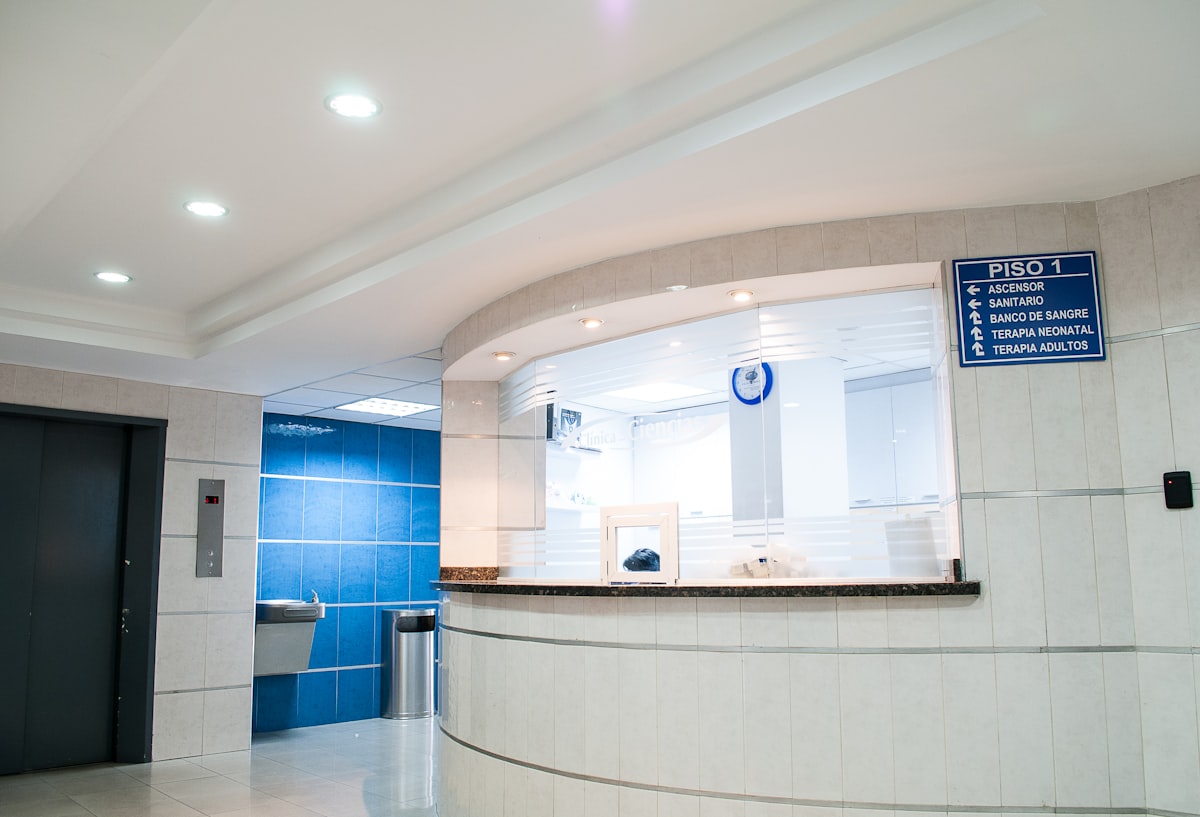

Photos: Unsplash License (free use).
Medical Disclaimer
This article is for educational purposes only and should not replace professional medical advice, diagnosis, or treatment. Always consult your healthcare provider regarding dietary, medication, or lifestyle decisions.
Was this article helpful?