
High-Protein Meal Ideas for IBD Remission: Building Plates Your Gut Tolerates
Posted on June 22, 2026 · Diet
Content note: Educational content aligned with publicly available patient materials from the Crohn's & Colitis Foundation and other major IBD education sources. Content is used under license from the Foundation for patient education; the Foundation does not endorse IBDPal or MediVue products or services. Last reviewed August 2026. Not individual medical advice.
Educational use only. IBDPal does not provide medical advice, diagnosis, or treatment. Always consult your gastroenterologist or IBD care team for personal decisions.
High protein diet Crohn's disease, IBD meal plan, and ulcerative colitis protein are among the most common nutrition searches. Protein supports healing, muscle, and energy when inflammation is controlled.
How Much Protein?
Needs vary by age, surgery history, and activity. Many adults discuss roughly 1-1.2 g per kg body weight with dietitians during recovery, your clinic may personalize higher or lower.
Remission Day Sample (Modify to Tolerance)
- Breakfast: Greek yogurt, banana, peanut butter oatmeal.
- Lunch: Turkey and avocado wrap, melon, water.
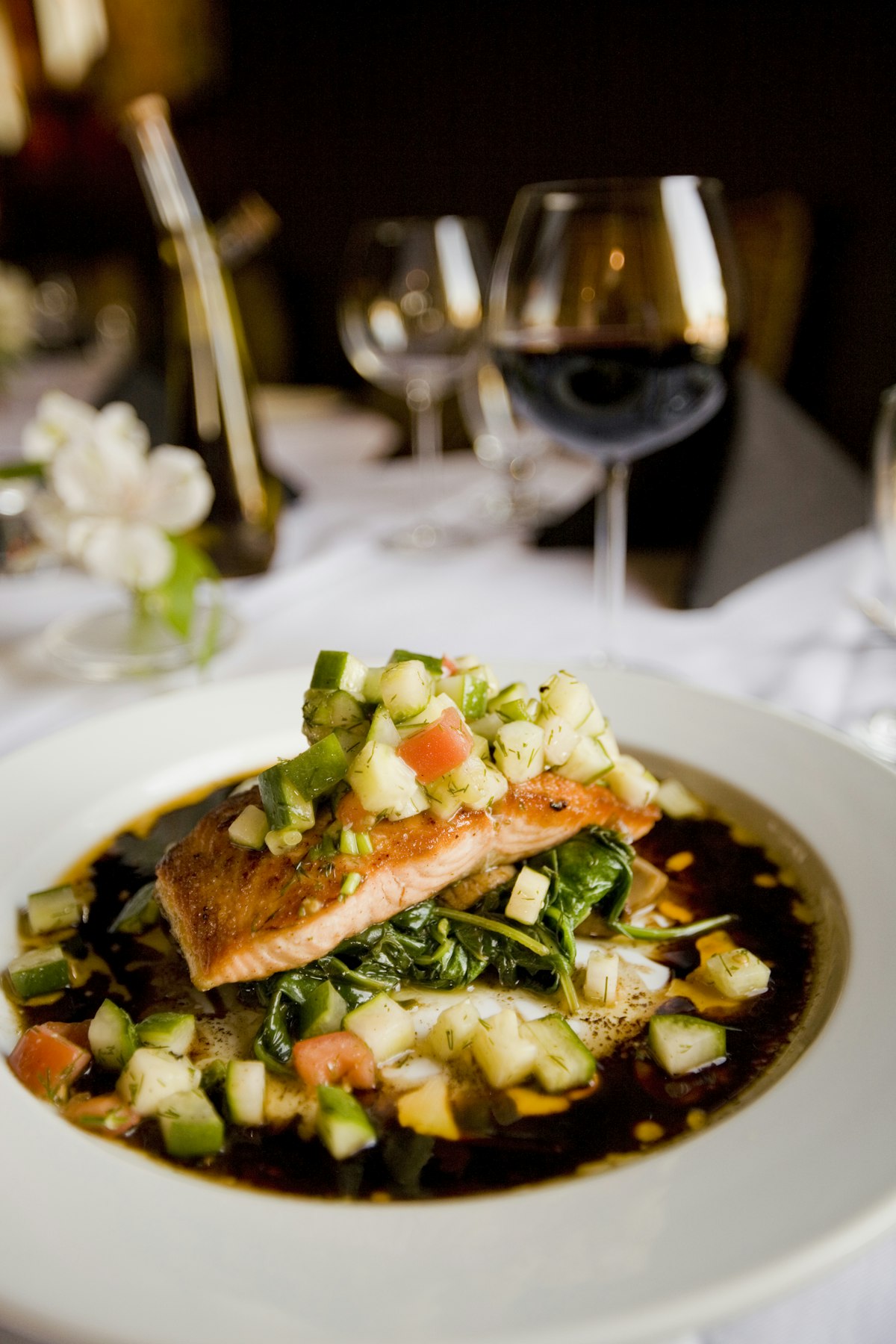
- Dinner: Baked salmon, well-cooked carrots, rice or potatoes.
- Snacks: Cheese, smoothies with whey or lactose-free protein if dairy OK.
During Mild Symptoms
Shift to softer proteins: eggs, tofu, fish, broth-based soups. Pair with low-residue flare guidance if your team recommends it.
Meal Prep on Good Weeks
Batch cook rice, roast tender vegetables, and portion proteins for school or work lunches. Freezer backups prevent vending-machine defaults on busy days.
When Meals Feel Impossible
Oral supplements, liquid nutrition, or appetite workups belong in clinic conversations, not solo restriction. Log intake in IBDPal so visits show trends, not guesses.
Protein needs during healing
Inflammation, surgery, and steroid courses raise protein needs for tissue repair and muscle maintenance.
Aim for distributed protein across meals rather than one large steak at dinner if appetite is limited.
Registered dietitians calculate grams per kilogram based on weight trends and activity.
Building tolerable plates
Eggs, fish, poultry, tofu, and smooth dairy provide dense protein with varied fat levels for sensitive guts.
Slow-cooked meats and shredded chicken reduce chewing fatigue during recovery.
Protein shakes help when solid food volume triggers early satiety or pain.
Remission is not unlimited freedom
Reintroduce fibrous sides gradually even when protein-rich meats tolerate well.
Track which cooking methods help: grilled versus fried may differ for reflux and diarrhea.
Restaurant portions may exceed comfort. Plan leftovers or split plates.
Special situations
Post-op and enteral nutrition transitions need staged protein increases guided by surgery team.
Teens need protein for growth spurts alongside height monitoring.
Kidney disease complicates high protein plans. Nephrology input applies when relevant.
Batch cooking for low-energy weeks
Slow-cooker shredded chicken freezes in portions for quick remission meals.
Smooth nut butters add protein to smoothies when chewing meat tires jaw muscles.
Label containers with dates to rotate freezer stock safely.
Restaurant protein choices
Grilled fish or chicken often tolerates better than fried proteins during early remission.
Ask for sauces on side to control fat load that triggers diarrhea.
Carry safe snacks when restaurant portions are unpredictable.
When symptoms shift despite good habits
Return to your GI team if new bleeding, fever, weight loss, or pain appears even when you follow general lifestyle guidance.
Labs and stool markers sometimes change before you feel improvement, and sometimes lag behind symptoms. Your clinician interprets both together.
Do not assume setbacks mean personal failure. Inflammatory bowel disease activity fluctuates and often responds to timely medical adjustment.
Recording what works for your next visit
Keep a brief symptom and lifestyle log for one to two weeks before appointments. Note sleep, stress, meals, and bowel patterns so your clinician sees trends instead of a single bad day.
List medications, supplements, and missed doses honestly. Small adherence gaps help your GI team adjust plans faster than guessing.
Bring one prioritized question from this article so limited visit time addresses what matters most to you right now.
Building habits that last beyond a flare
Choose one practical step from this guide to practice this week rather than changing everything at once. Sustainable habits outperform short strict phases for most IBD patients.
Pair new habits with existing routines, such as taking evening meds when you brush teeth, so they survive busy school or work weeks.
Revisit your plan after travel, holidays, or medication changes because tolerance and priorities shift over time.
Common questions
Are protein bars safe?
Read sugar alcohols and fiber additives that cause gas. Clinician-approved brands help.
Do I need protein powder?
Only if food intake falls short. Whole foods first when tolerated.
Can high protein worsen constipation?
Inadequate fluids with protein shakes may constipate. Balance hydration.
Photos: Unsplash License (free use).
Medical Disclaimer
This article is for educational purposes only and should not replace professional medical advice, diagnosis, or treatment. Always consult your healthcare provider regarding dietary, medication, or lifestyle decisions.
Was this article helpful?