
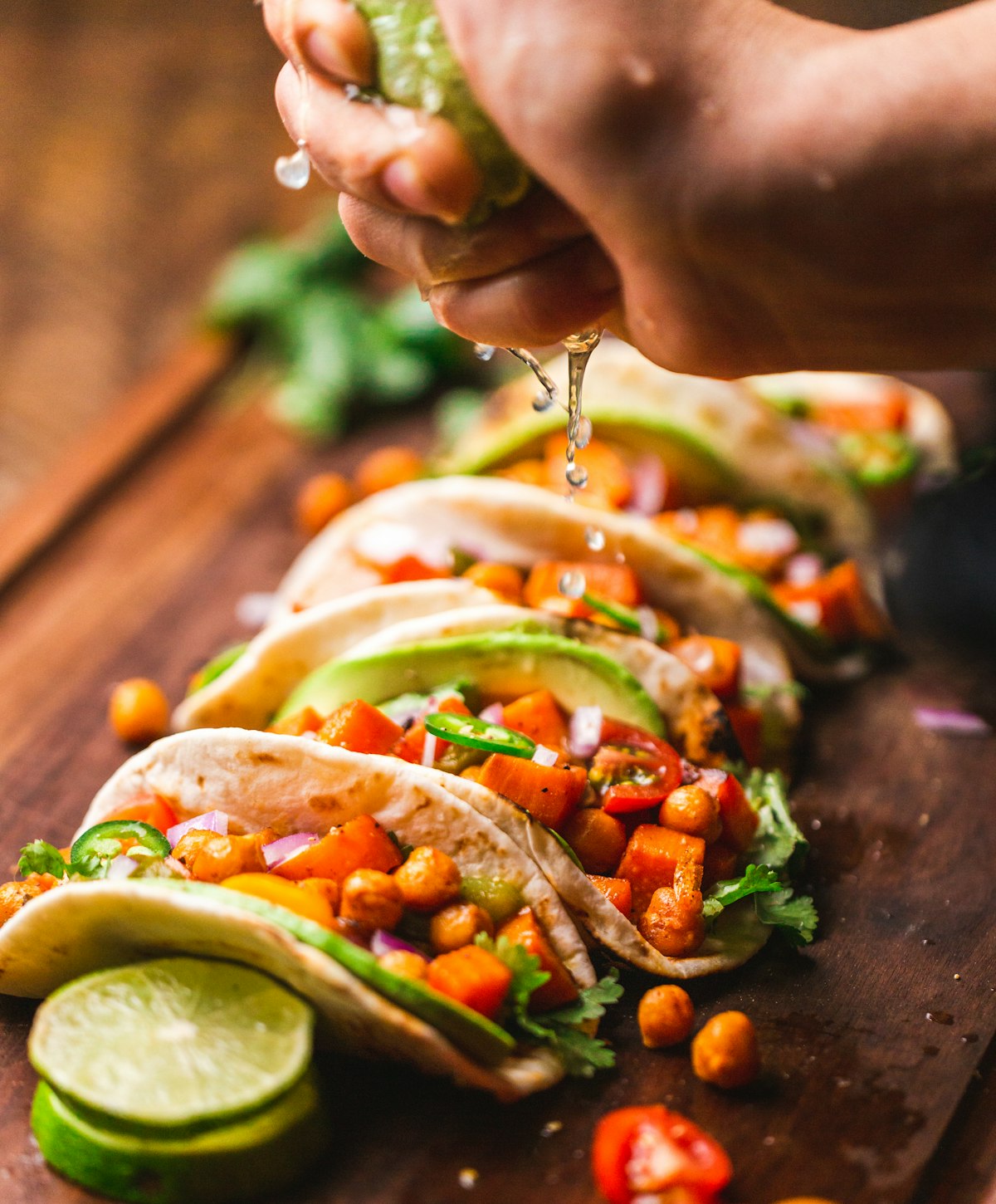
Tortillas With IBD: Corn Versus Flour, Soft Wraps, and Flare Tips
Posted on August 15, 2026 · Nutrition
Content note: Educational content aligned with publicly available patient materials from the Crohn's & Colitis Foundation and other major IBD education sources. Content is used under license from the Foundation for patient education; the Foundation does not endorse IBDPal or MediVue products or services. Last reviewed August 2026. Not individual medical advice.
Educational use only. IBDPal does not provide medical advice, diagnosis, or treatment. Always consult your gastroenterologist or IBD care team for personal decisions.
Searches like tortillas Crohn's and corn tortilla ulcerative colitis are common worldwide. Tolerance with Crohn's or ulcerative colitis is individual. Education only, not a prescription to eat or avoid tortillas.
Nutrition snapshot: Tortillas
Tortillas are thin corn or wheat wraps that carry fillings with relatively little bulk when soft. Corn masa tortillas are typically smaller and naturally gluten-free; flour tortillas are softer for some people but higher in fat when shortening is used.
- Serving: 1 small corn tortilla (~25 g) or 1 medium flour tortilla (~45 g)
- Calories: ~50 to 60 corn; ~130 to 150 flour
- Carbohydrate: ~10 to 12 g corn; ~20 to 25 g flour
- Fiber: ~1 to 2 g
- Protein: ~1 to 4 g
- Fat: low for plain corn; higher for many flour brands
- Niacin from nixtamalized corn: Traditional processing improves corn nutrition
- Sodium: Varies by brand; check labels
- Additives: Some wraps include gums or fibers that affect tolerance
Flare versus remission
Soft, warm tortillas often beat crunchy fried taco shells during flares. Whole corn bits, wheat bran wraps, and heavy fried chimichangas change the mechanical and fat load.
During a flare
- Choose soft corn or plain flour tortillas warmed, not fried crisp
- Keep fillings simple: egg, chicken, smooth refried beans only if already tolerated
- Limit chips and hard shells if residue or oil is a problem
- Read labels for inulin or polyols in low-carb wraps
In remission
- Build balanced tacos with tolerated proteins and soft vegetables
- Trial whole-wheat tortillas if fiber goals allow
- Watch creamy sauces and raw onion toppings separately from the tortilla itself
Prep ideas
Warm on a dry skillet until pliable so they do not crack. For softer texture, briefly wrap in a damp cloth after heating.
Myths
- Corn tortillas are always high residue. Soft thin corn wraps are different from popcorn or corn kernels.
- Flour tortillas are unhealthy for every IBD patient. Fat and portion matter; many people use them.
- Hard shells are the same as soft tortillas. Frying changes fat and crunch substantially.
Questions for your care team
- Are soft corn or flour tortillas better on my current plan?
- Should I avoid fried shells with known strictures?
- Any brand additives I should skip?
Log form and portion in IBDPal. Related: corn · white rice · onion and garlic. Hub: IBD nutrition.
Corn versus flour tortillas
Corn tortillas are naturally gluten free and often smaller portion size.
Flour tortillas contain gluten and may feel heavier for some patients.
Whole wheat versions add fiber for remission when tolerated.
Fillings and fat load
Beans, cheese, and sour cream add FODMAPs and fat. Build mild tacos during flares.
Grilled fish or chicken with rice inside corn tortillas is a gentle template.
Fried tortilla chips may irritate with high fat and salt.
Store-bought label reading
Check for inulin, chicory fiber, or hydrogenated oils in wraps.
Warm tortillas soften texture for easier chewing.
Gluten-free wraps vary in fiber content.
Dining out Mexican cuisine
Ask for corn tortillas and sauce on the side.
Skip raw salsa if onion and tomato seeds trigger you.
Hydrate if meal is salty.
Common questions
Are tortilla chips low fiber?
Fried chips are low fiber but high fat. Baked versions may be gentler.
Can I eat tortillas during a flare?
Small soft corn tortillas with mild fillings are common patient trials.
Do tortillas cause bloating?
Large wheat wraps with beans may. Adjust fillings and size.
Steam stacks of corn tortillas wrapped in a towel.
Keep rice bowls as backup when tacos feel risky.
Bring a written symptom and medication list to each gastroenterology visit so limited appointment time is used well.
Patient education supports shared decision making; it does not replace individual medical assessment by your IBD team.
Track patterns over one to two weeks before clinic visits because single-day snapshots can mislead both you and your clinician.
Tell your team about travel, work stress, sleep changes, and menstrual cycle timing when symptoms shift unexpectedly.
Medication adherence and follow-up labs are as important as diet changes for many people living with Crohn's disease or ulcerative colitis.
Discuss how this topic applies to your current disease activity with your gastroenterologist rather than relying on general online advice alone.
Photos: Unsplash License (free use).
Medical Disclaimer
This article is for educational purposes only and should not replace professional medical advice, diagnosis, or treatment. Always consult your healthcare provider regarding dietary, medication, or lifestyle decisions.
Was this article helpful?