
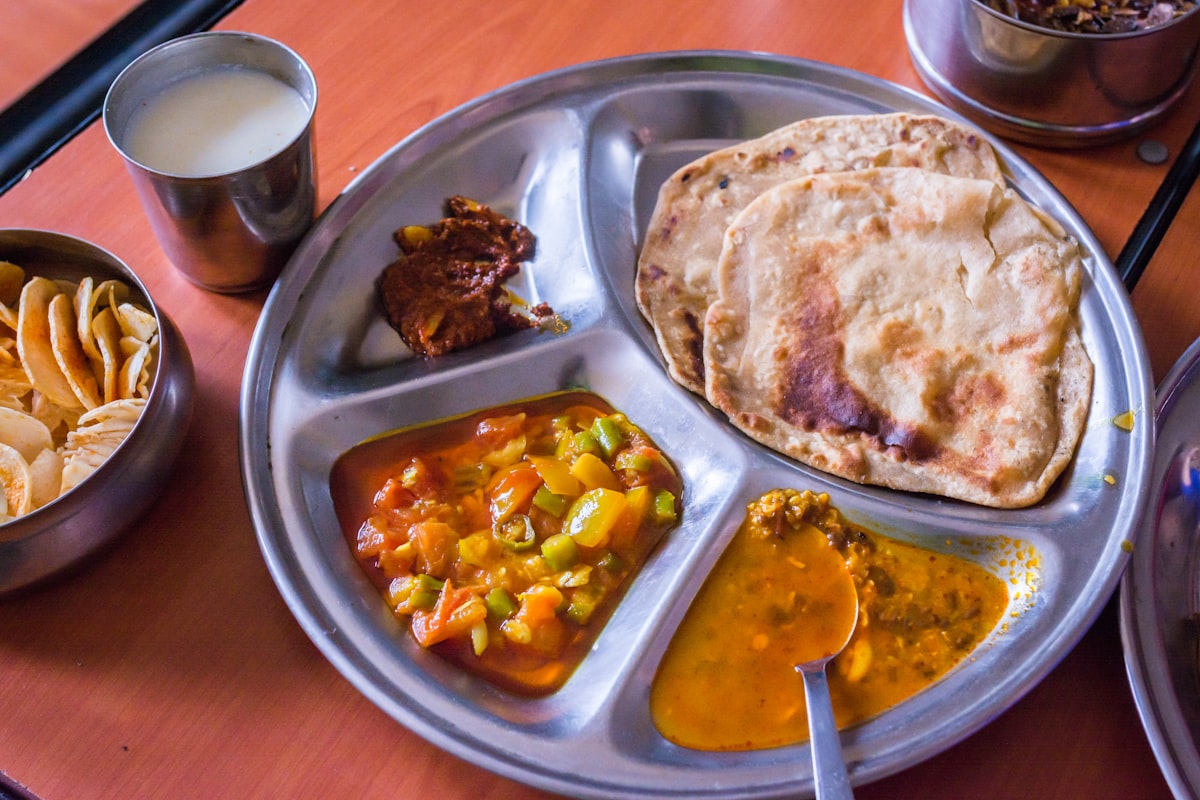
Dal and Lentils With IBD: Protein, FODMAPs, and Softer Prep
Posted on August 15, 2026 · Nutrition
Content note: Educational content aligned with publicly available patient materials from the Crohn's & Colitis Foundation and other major IBD education sources. Content is used under license from the Foundation for patient education; the Foundation does not endorse IBDPal or MediVue products or services. Last reviewed August 2026. Not individual medical advice.
Educational use only. IBDPal does not provide medical advice, diagnosis, or treatment. Always consult your gastroenterologist or IBD care team for personal decisions.
Searches like dal Crohn's disease and lentils ulcerative colitis are common worldwide. Tolerance with Crohn's or ulcerative colitis is individual. Education only, not a prescription to eat or avoid dal (lentils).
Nutrition snapshot: Dal (lentils)
Dal is a staple lentil or pulse dish that provides plant protein, carbohydrate, fiber, and iron. Well-cooked, blended, or skinned preparations behave differently in the gut than al dente beans with skins.
- Serving: 1 cup cooked plain dal (~200 g)
- Calories: ~230
- Carbohydrate: ~40 g
- Fiber: ~15 g (varies by lentil type and skimming)
- Protein: ~18 g
- Fat: ~1 g before tadka oil
- Iron and folate: Useful plant sources; absorption improves with vitamin C foods if tolerated
- Potassium: Helpful for many eating patterns; watch if your clinician limits potassium
- FODMAP oligosaccharides: Can drive gas when portions are large
Flare versus remission
Lentils are often limited on strict low-residue or elimination FODMAP phases, then reintroduced in measured scoops. Moong dal and thoroughly blended khichdi-style meals are common gentler starting points for some people.
During a flare
- Pause large bean portions if bloating and urgency spike
- If allowed, try small amounts of well-cooked, blended moong without heavy chili tadka
- Skim foam and cook until lentils fully break down
- Avoid whole chickpeas or firm kidney beans during severe flares or known strictures unless cleared
In remission
- Reintroduce with a dietitian using measured portions
- Combine with rice for a softer mixed meal
- Limit fried tempering oils and raw onion-garlic loads if those trigger you
Prep ideas
Pressure-cook until creamy, then thin with water for a soup texture. Build flavor with cumin and turmeric if tolerated; hold large onion-garlic tempering when FODMAPs are limited.
Myths
- All lentils are impossible with IBD. Form, portion, and disease phase change tolerance.
- Dal protein cannot help underweight patients. It can contribute when tolerated and paired with calories.
- Spicy tadka is required for nutrition. Spice level is optional; protein is in the lentils.
Questions for your care team
- Which lentil types and portions fit my FODMAP or residue plan?
- Is blended dal okay while whole beans are restricted?
- How do we use dal toward iron and protein goals?
Log form and portion in IBDPal. Related: FODMAP overview · onion and garlic · fiber and IBD. Hub: IBD nutrition.
Protein and fiber in lentils
Dal provides plant protein and fiber valuable in remission. Active flares may need smaller portions or smoother purees.
Split red lentils cook softer than whole chana dal, often easier on strictures.
Soaking and long cooking reduce gas for some patients.
FODMAP and spice considerations
Large onion and garlic servings in tadka may trigger bloating. Asafoetida alternatives help some cooks.
Chili heat worsens urgency for sensitive colons.
Introduce one lentil type at a time when expanding diet after flares.
Pairing for complete nutrition
Rice and dal combinations improve amino acid profiles.
Add ghee or oil modestly for calories if weight is low.
Iron in lentils pairs with vitamin C sources like tomatoes when tolerated.
Canned and restaurant dal
Restaurant salt and cream may be heavy. Ask for mild versions.
Rinse canned lentils to reduce sodium.
Home pressure cookers soften lentils thoroughly.
Common questions
Is dal too gassy for IBD?
It can be during flares. Portion, puree, and timing matter.
Are lentils gluten free?
Yes, pure lentils are gluten free. Check spice mixes.
Can dal replace meat protein?
Often yes in remission with dietitian balance guidance.
Blend dal soup silky during sensitive weeks.
Start with quarter-cup servings when reintroducing legumes.
Bring a written symptom and medication list to each gastroenterology visit so limited appointment time is used well.
Patient education supports shared decision making; it does not replace individual medical assessment by your IBD team.
Track patterns over one to two weeks before clinic visits because single-day snapshots can mislead both you and your clinician.
Tell your team about travel, work stress, sleep changes, and menstrual cycle timing when symptoms shift unexpectedly.
Medication adherence and follow-up labs are as important as diet changes for many people living with Crohn's disease or ulcerative colitis.
Discuss how this topic applies to your current disease activity with your gastroenterologist rather than relying on general online advice alone.
Photos: Unsplash License (free use).
Medical Disclaimer
This article is for educational purposes only and should not replace professional medical advice, diagnosis, or treatment. Always consult your healthcare provider regarding dietary, medication, or lifestyle decisions.
Was this article helpful?