
Anti-Inflammatory Diet and IBD: What Research Suggests (and What It Doesn't)
Posted on June 18, 2026 · Diet
Content note: Educational content aligned with publicly available patient materials from the Crohn's & Colitis Foundation and other major IBD education sources. Content is used under license from the Foundation for patient education; the Foundation does not endorse IBDPal or MediVue products or services. Last reviewed August 2026. Not individual medical advice.
Educational use only. IBDPal does not provide medical advice, diagnosis, or treatment. Always consult your gastroenterologist or IBD care team for personal decisions.
Anti-inflammatory diet Crohn's disease and anti-inflammatory diet ulcerative colitis searches spike after celebrity headlines. No food pattern replaces biologics, small molecules, or steroids when inflammation is active, but long-term eating still matters for health.
Patterns With Supportive Data
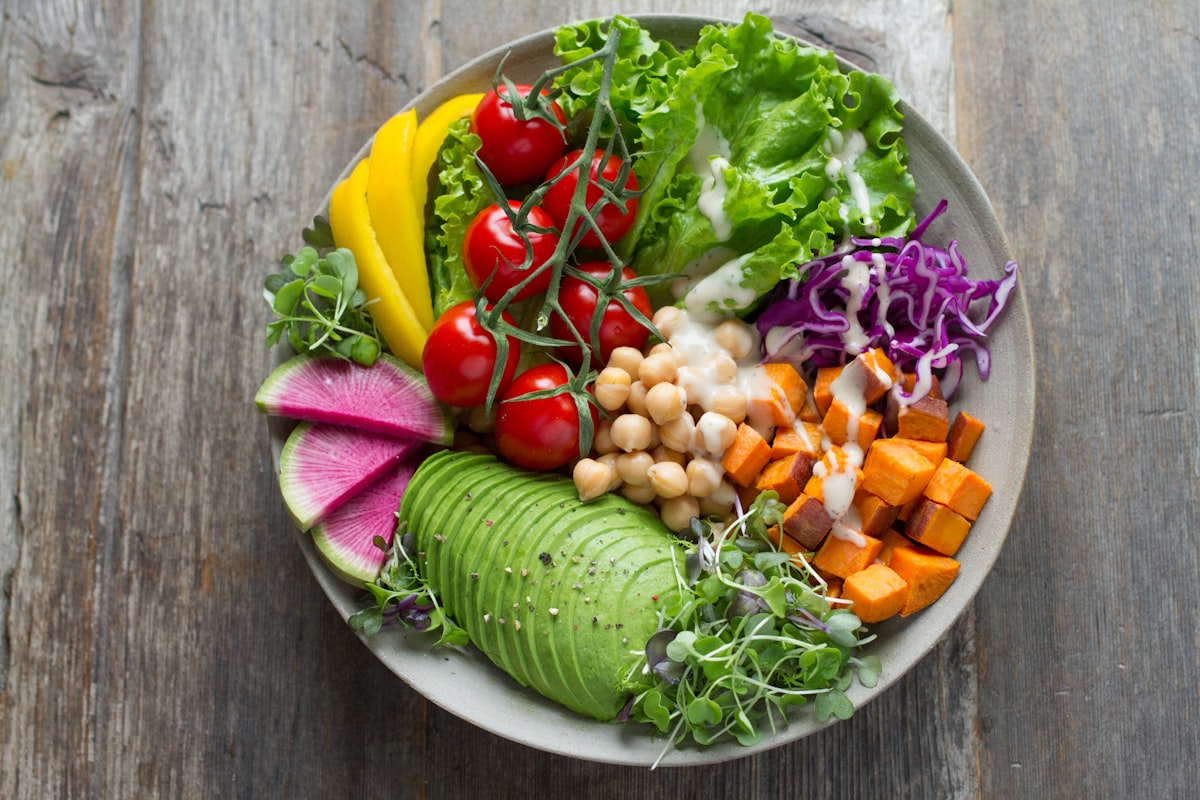
Many IBD dietitians discuss Mediterranean-style meals: vegetables, fruits, olive oil, fish, legumes when tolerated, and whole grains in remission. CD-TREAT and other research diets exist for specific situations, always clinician-led.
Foods Often Limited During Flares
Ultra-processed snacks, excessive alcohol, and large fatty meals may worsen symptoms for some people. That is different from claiming they "cause" IBD.
Omega-3s and Fiber
Fish and flax may support general health; fiber is reintroduced gradually in remission per team advice. Jumping to extreme exclusion cleanses can trigger malnutrition, especially in teens.
Marketing vs. Medicine
Supplements promising to "cure" colitis are red flags. Ask for PubMed-backed handouts from your center, not influencer meal plans.
Pair Diet With Tracking
Anti-inflammatory eating is personal. Use IBDPal food logs to see whether tomato sauce, dairy, or spicy foods correlate with your symptoms, not someone else's list online.
What anti-inflammatory eating means in research
Patterns rich in plants, olive oil, fish, and limited ultra-processed foods associate with lower inflammatory markers in population studies.
Specific anti-inflammatory diet scores are not FDA-approved treatments for IBD but guide sensible defaults.
Your clinician frames diet as support alongside immunotherapy, not replacement.
During flares versus remission
Anti-inflammatory ideals may require temporary texture modifications when raw produce irritates.
Spices like turmeric have modest evidence but are not magic bullets at culinary doses alone.
Omega-3 from fish may help cardiovascular risk on steroids more than dramatic mucosal healing alone.
Avoiding marketing extremes
Paid meal kits labeled anti-inflammatory may still contain triggers for individual patients.
Nightshade elimination lacks strong IBD trial support for everyone.
Juice cleanses harm nutrition during active disease.
Working with your team
Bring a three-day food record to dietitian visits instead of starting strict plans alone.
Combine anti-inflammatory goals with iron, calcium, and vitamin D adequacy.
Reassess diet when therapy changes improve absorption.
Ultra-processed food reduction realistically
Swap sugary drinks for water or herbal tea one at a time rather than overnight overhauls.
Frozen vegetables count toward anti-inflammatory plates when fresh prep is hard.
Forgive imperfect weeks; long-term patterns matter more than single meals.
Spices and herbs in everyday cooking
Turmeric, ginger, and garlic flavor food without relying on heavy cream sauces.
Nightshade spices like paprika affect individuals differently; test during remission.
Discuss high-dose curcumin supplements with pharmacist before starting.
Coordinating care across your health team
Ask your gastroenterologist whether dietitian, mental health, physical therapy, or social work referrals would help the issues raised here.
Share updates from other specialists at GI visits so drug interactions and overlapping symptoms are reviewed in one place.
Use your patient portal to upload outside lab results and hospital records before appointments when possible.
Planning ahead when life gets busy
Pack medications, snacks, and a small symptom kit before exams, trips, or overtime weeks when routines slip first.
Identify backup clinicians or infusion centers near work, campus, or relatives in case flares occur away from home.
Discuss preventive plans with your clinician before predictable stress seasons such as finals, tax season, or postpartum return to work.
When symptoms shift despite good habits
Return to your GI team if new bleeding, fever, weight loss, or pain appears even when you follow general lifestyle guidance.
Labs and stool markers sometimes change before you feel improvement, and sometimes lag behind symptoms. Your clinician interprets both together.
Do not assume setbacks mean personal failure. Inflammatory bowel disease activity fluctuates and often responds to timely medical adjustment.
Common questions
Will this diet replace biologics?
No. Diet reduces risk factors and supports wellness; drugs treat established moderate disease.
Are supplements required?
Not universally. Test and replace deficiencies rather than megadosing antioxidants.
Can children follow anti-inflammatory patterns?
Yes with growth monitoring and flexibility for school meals.
Photos: Unsplash License (free use).
Medical Disclaimer
This article is for educational purposes only and should not replace professional medical advice, diagnosis, or treatment. Always consult your healthcare provider regarding dietary, medication, or lifestyle decisions.
Was this article helpful?