
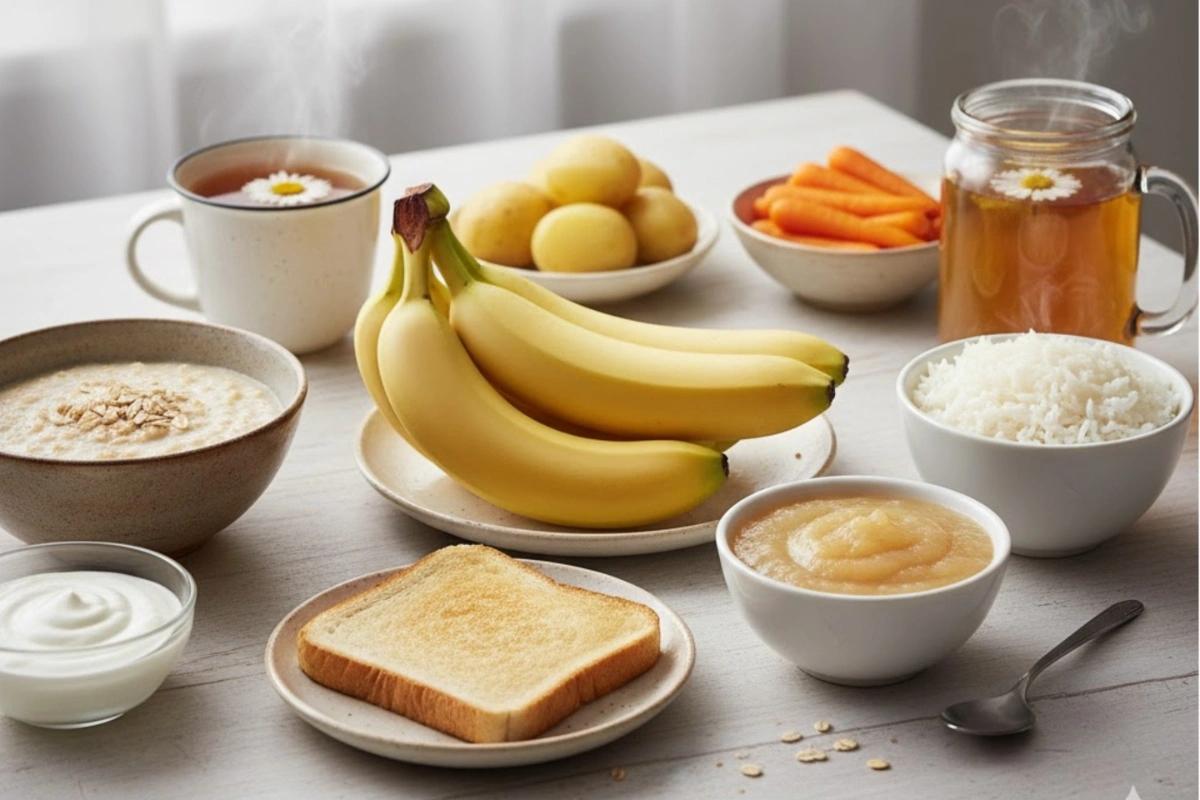
Best Foods to Eat During a Crohn's Disease Flare
Posted on May 17, 2026 · Nutrition & IBD
Content note: Educational content aligned with publicly available patient materials from the Crohn's & Colitis Foundation and other major IBD education sources. Content is used under license from the Foundation for patient education; the Foundation does not endorse IBDPal or MediVue products or services. Last reviewed August 2026. Not individual medical advice.
Educational use only. IBDPal does not provide medical advice, diagnosis, or treatment. Always consult your gastroenterologist or IBD care team for personal decisions.
Introduction
Living with Crohn's disease can make nutrition incredibly challenging, especially during flare-ups. Symptoms such as abdominal pain, cramping, diarrhea, fatigue, nausea, and loss of appetite often make eating feel stressful rather than nourishing. During these periods, choosing gentle and nutrient-dense foods may help reduce irritation while supporting hydration and energy levels.
While every person with IBD has different trigger foods, many individuals find that softer, easier-to-digest meals are more tolerable during active inflammation. Paying attention to symptoms, hydration, and nutritional intake is important because flare-ups can increase the risk of nutrient deficiencies and weight loss.
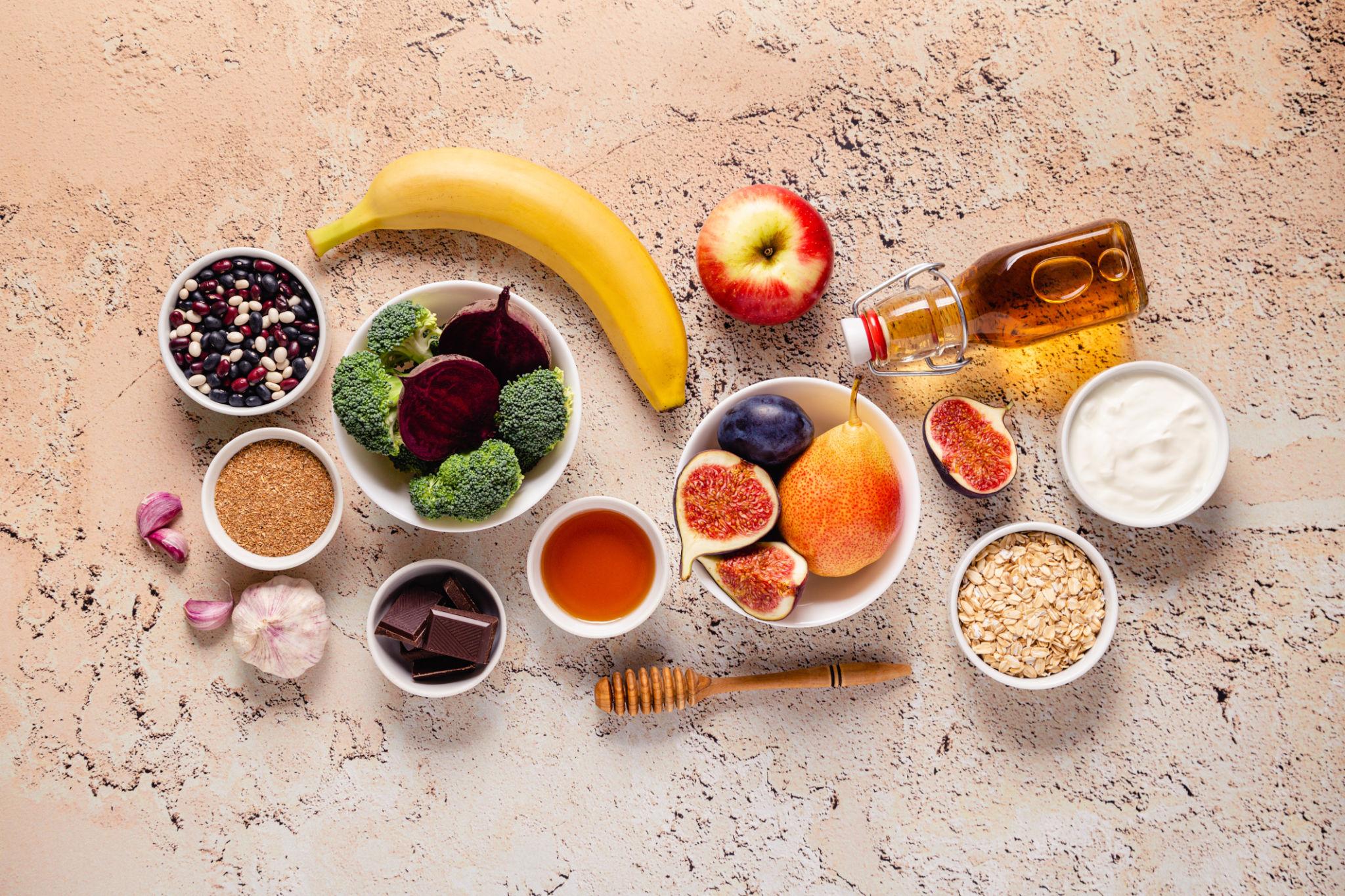

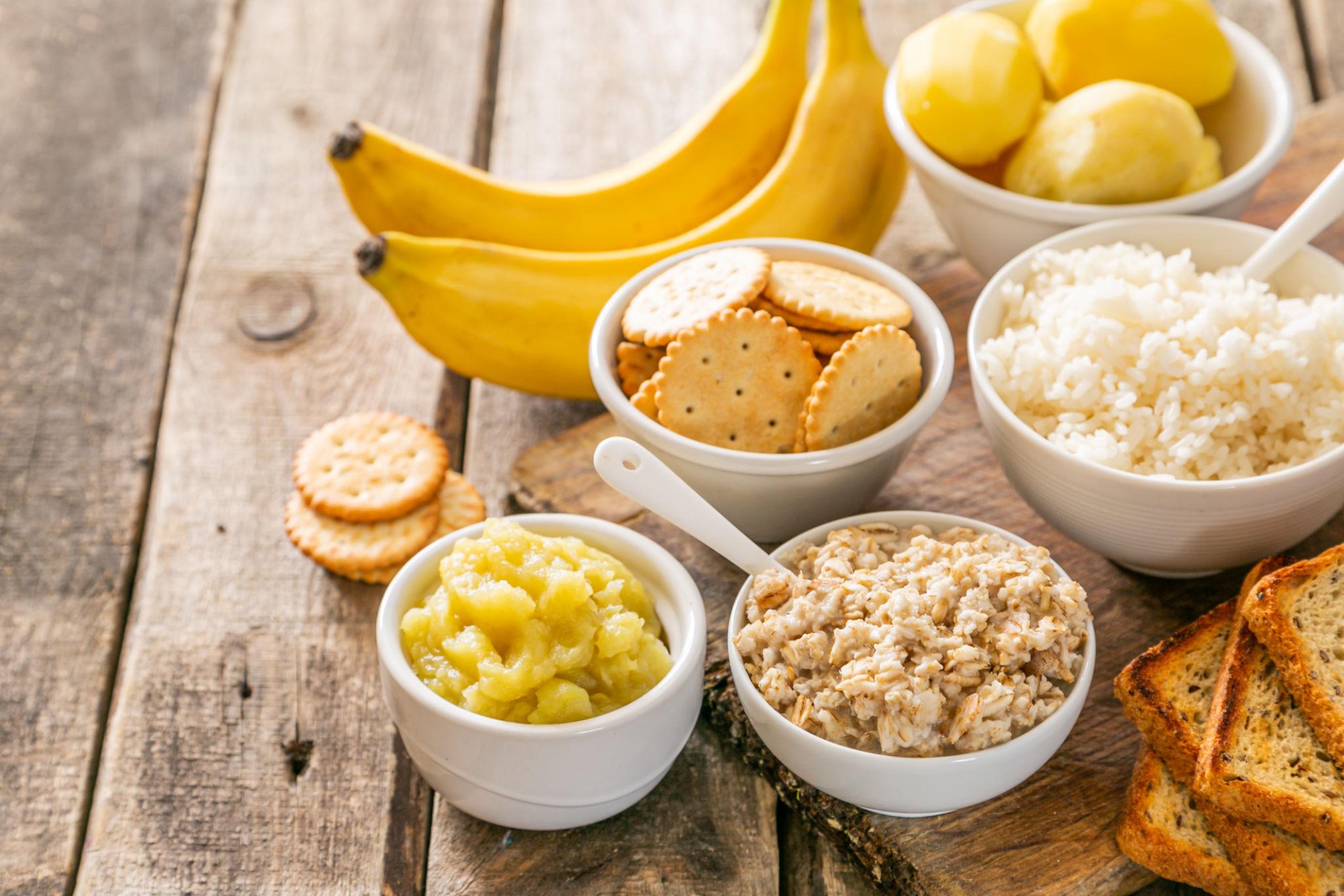
Foods Often Easier to Tolerate During a Flare
1. Bananas
Bananas are commonly recommended because they are soft, easy to digest, and contain potassium, which may help replenish electrolytes lost through diarrhea.
2. White Rice
White rice is lower in fiber than brown rice and may be gentler on the digestive tract during active symptoms.
3. Applesauce
Unsweetened applesauce provides carbohydrates and is often easier to tolerate than raw fruits.
4. Toast and Crackers
Simple carbohydrates like plain toast, saltines, and low-fiber crackers may help reduce nausea while providing quick energy.
5. Soup and Broth
Broths and soups help support hydration while being gentle on the stomach. Blended vegetable soups can also provide nutrients without excess fiber.
6. Lean Protein
Chicken, turkey, eggs, tofu, and certain fish may help maintain muscle and energy during flares.
Importance of Hydration
Dehydration is common during Crohn's flares due to diarrhea and reduced fluid intake. Drinking water regularly and including electrolyte-rich fluids may help maintain hydration and reduce fatigue.
Some people tolerate:
- electrolyte drinks
- diluted juices
- broths
- herbal teas
better than heavily caffeinated or sugary beverages.
Foods That May Be Harder to Tolerate
Certain foods may worsen symptoms for some individuals during active inflammation, including:
- spicy foods
- heavily fried foods
- alcohol
- high-fiber raw vegetables
- popcorn
- nuts and seeds
- carbonated drinks
However, trigger foods vary significantly from person to person. Keeping track of meals and symptoms can help identify individual patterns.
Final Thoughts
There is no single "perfect" Crohn's disease diet. Nutrition for IBD is highly individualized, and foods tolerated during remission may feel very different during a flare. Focusing on hydration, gentle foods, and symptom tracking may help people better understand their body's needs.
Tracking symptoms, meals, and flare patterns through tools like IBDPal may also help individuals recognize trends over time and communicate more effectively with healthcare providers.
Medical Disclaimer
This article is for educational purposes only and should not replace professional medical advice, diagnosis, or treatment. Always consult your healthcare provider regarding dietary, medication, or lifestyle decisions.
Was this article helpful?