
Hydration Tips for Crohn's Disease and Ulcerative Colitis
Posted on May 20, 2026 · Wellness & IBD
Content note: Educational content aligned with publicly available patient materials from the Crohn's & Colitis Foundation and other major IBD education sources. Content is used under license from the Foundation for patient education; the Foundation does not endorse IBDPal or MediVue products or services. Last reviewed August 2026. Not individual medical advice.
Educational use only. IBDPal does not provide medical advice, diagnosis, or treatment. Always consult your gastroenterologist or IBD care team for personal decisions.
Why Hydration Is Important
Hydration is often overlooked in IBD management, yet diarrhea, inflammation, and reduced appetite can increase the risk of dehydration. Even mild dehydration may contribute to fatigue, headaches, dizziness, and reduced concentration.
Maintaining adequate fluid intake can support overall wellness and recovery.
Signs of Dehydration
Possible signs include:
- dry mouth
- dark urine
- dizziness
- fatigue
- headaches
- increased thirst
People experiencing persistent symptoms should contact healthcare professionals.
Helpful Hydration Strategies
Drink Small Amounts Consistently
Some people tolerate smaller sips throughout the day better than drinking large amounts at once.
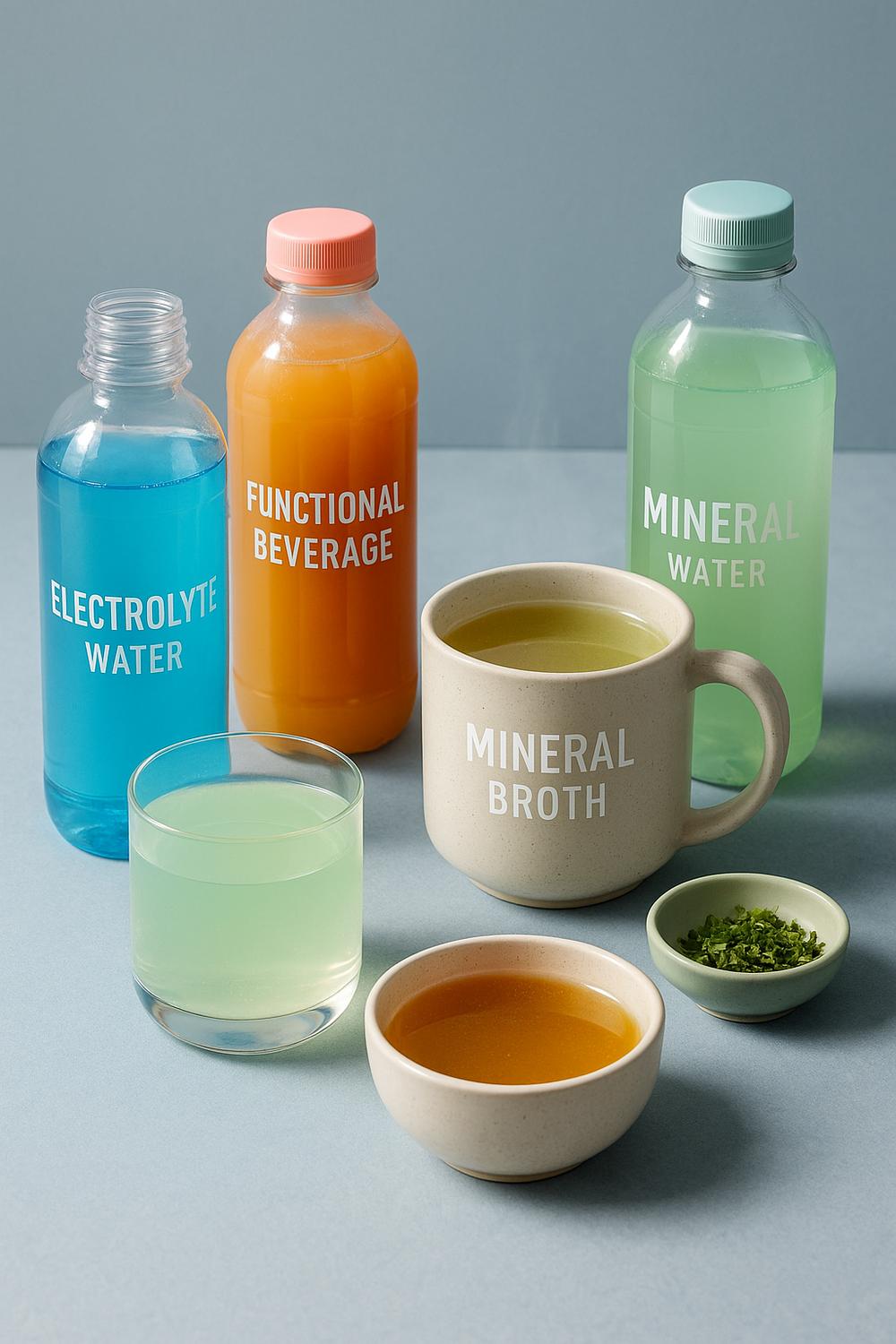
Include Electrolytes
Electrolytes may help replenish minerals lost through diarrhea.
Limit Excess Caffeine
High caffeine intake may worsen dehydration in some individuals.
Monitor Symptoms
Tracking hydration alongside symptoms can help identify patterns between fluid intake and flare severity. Apps like IBDPal can support logging habits and trends to discuss with your care team.
Final Thoughts
Hydration needs vary from person to person. Building consistent hydration habits and monitoring symptoms may help individuals feel more energized and prepared during both flares and remission.
Fluid losses in Crohn's and colitis
Diarrhea, ostomies, fever, and vomiting increase fluid and electrolyte needs beyond eight glasses a day marketing slogans.
Dehydration worsens fatigue, kidney injury risk, and orthostatic dizziness during flares.
Track urine color and volume as simple hydration screens.
Oral rehydration strategies
Oral rehydration solutions with balanced sodium and glucose absorb better than water alone during high output days.
Broths, electrolyte tablets, and popsicles count toward intake when solids are poorly tolerated.
Sip steadily rather than chugging large volumes that trigger vomiting.
When IV fluids are needed
Persistent dizziness, rapid heart rate, minimal urine, or inability to keep fluids down warrant urgent clinic or ER evaluation.
Outpatient infusion centers sometimes hydrate without full hospital admission.
Bring recent weight and output logs to triage nurses.
Exercise, heat, and travel
Ileostomy patients lose more salt in heat. Increase electrolyte drinks during summer sports.
Airplane cabin humidity is low. Hydrate before flights and limit alcohol on travel days.
Discuss sports participation plans with your clinician when output exceeds three liters daily.
Electrolyte choices by situation
Oral rehydration solutions beat soda for sodium replacement during high output days.
Limit pure water alone when output exceeds three liters daily to avoid hyponatremia risk.
Coconut water lacks ideal sodium for severe losses; ask clinic for preferred products.
Hydration during exercise and heat
Weigh before and after workouts if ileostomy output rises with activity.
Schedule outdoor exercise in cooler hours during humid summers.
Carry electrolyte packets in gym bags and school backpacks.
When symptoms shift despite good habits
Return to your GI team if new bleeding, fever, weight loss, or pain appears even when you follow general lifestyle guidance.
Labs and stool markers sometimes change before you feel improvement, and sometimes lag behind symptoms. Your clinician interprets both together.
Do not assume setbacks mean personal failure. Inflammatory bowel disease activity fluctuates and often responds to timely medical adjustment.
Recording what works for your next visit
Keep a brief symptom and lifestyle log for one to two weeks before appointments. Note sleep, stress, meals, and bowel patterns so your clinician sees trends instead of a single bad day.
List medications, supplements, and missed doses honestly. Small adherence gaps help your GI team adjust plans faster than guessing.
Bring one prioritized question from this article so limited visit time addresses what matters most to you right now.
Building habits that last beyond a flare
Choose one practical step from this guide to practice this week rather than changing everything at once. Sustainable habits outperform short strict phases for most IBD patients.
Pair new habits with existing routines, such as taking evening meds when you brush teeth, so they survive busy school or work weeks.
Revisit your plan after travel, holidays, or medication changes because tolerance and priorities shift over time.
Common questions
Is coconut water enough?
It lacks optimal sodium for severe losses. Use formulated ORS when output is high.
Can I drink only when thirsty?
Thirst lags behind losses in chronic diarrhea. Scheduled sips help.
Do biologics change hydration needs?
Active disease drives needs more than stable biologic therapy alone.
Medical Disclaimer
This article is for educational purposes only and should not replace professional medical advice, diagnosis, or treatment. Always consult your healthcare provider regarding dietary, medication, or lifestyle decisions.
Was this article helpful?