
White Rice and IBD: Flare Staple, Carbs, and Remission Upgrades
Posted on August 23, 2026 · Nutrition
Content note: Educational content aligned with publicly available patient materials from the Crohn's & Colitis Foundation and other major IBD education sources. Content is used under license from the Foundation for patient education; the Foundation does not endorse IBDPal or MediVue products or services. Last reviewed August 2026. Not individual medical advice.
Educational use only. IBDPal does not provide medical advice, diagnosis, or treatment. Always consult your gastroenterologist or IBD care team for personal decisions.
Searches like white rice Crohn's flare, rice ulcerative colitis diet, and white rice ulcerative colitis are common because patients want clear, practical answers. Tolerance with Crohn's disease or ulcerative colitis is individual. This page covers typical nutrition facts, flare versus remission ideas, and questions for your GI or dietitian. It is education only, not a prescription to eat or avoid white rice.
Nutrition snapshot: White rice
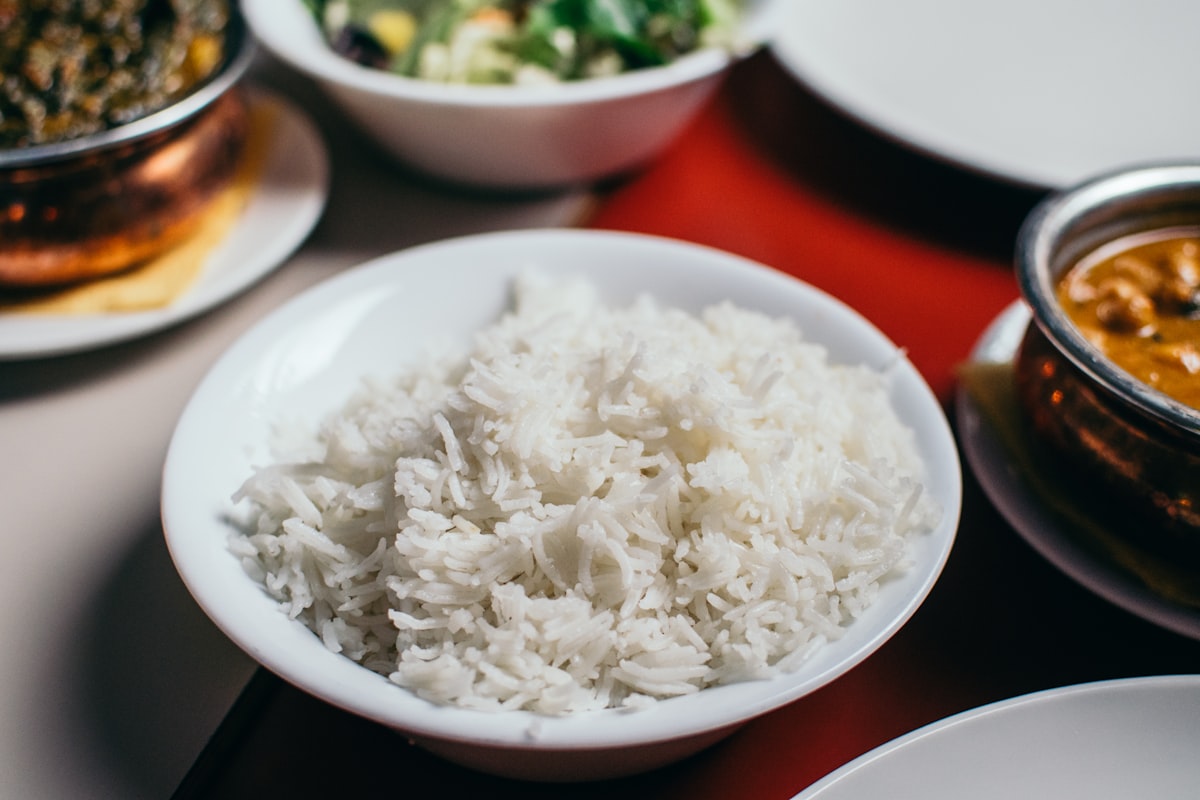
White rice is a refined grain that is lower in fiber than brown rice, which is why it appears on many low-residue and flare menus. It mainly supplies carbohydrate energy with little fat or protein.
Approximate macros (typical serving)
- Serving: 1 cup cooked (~160 g)
- Calories: ~200
- Carbohydrate: ~45 g
- Fiber: ~0.5 to 1 g
- Protein: ~4 g
- Fat: ~0.5 g
Amounts vary by brand, cooking method, and portion. Use a label or USDA FoodData Central for exact numbers, and IBDPal food logs to compare your portion to how you felt afterward.
Micronutrients people ask about
- Manganese and selenium: Present in small amounts
- B vitamins (enriched rice): Check enriched labels for folate and iron dusting
- Sodium: Plain rice is low unless cooked in salty broth or boxed mixes
- Resistant starch: Cooled rice forms more; some people notice more gas
Flare versus remission: how many people approach white rice
Soft, well-cooked white rice is one of the most searched gentle carbs for IBD flares. Brown rice, wild rice, and rice bran are higher fiber and usually wait until remission or dietitian clearance.
During a flare (when your team wants gentler textures)
- Cook until very soft; add extra water or broth for a porridge-like texture if needed
- Pair with shredded chicken, eggs, or smooth peanut butter if approved
- Avoid fried rice loaded with oil, chili, and raw vegetables during flares
- Use plain rice water or thin rice porridge when appetite is poor (ask your team about fluids and electrolytes)
In remission (when variety is usually easier)
- Gradually trial brown rice if fiber goals increase
- Build bowls with tender proteins and peeled cooked vegetables
- Watch restaurant fried rice sodium and spice
If you have strictures, recent surgery, or a short bowel history, fiber and skins may need a different plan. Follow your clinician, not a generic list.
Prep ideas that often feel kinder
Rinse if you prefer less surface starch. Simmer covered until grains mash easily between fingers. Reheat with a splash of water so leftovers stay moist. Instant white rice can work in a pinch; check sodium.
Common myths about white rice and IBD
- White rice is empty and useless. During flares it can be a practical energy source when fiber feels rough.
- You must eat only rice forever. Long-term restriction without guidance risks nutrient gaps.
- Brown rice is always better for IBD. Higher fiber is not always better during active inflammation or strictures.
How to track white rice with IBDPal
Log the form (raw, cooked, peeled), portion size, and symptoms for 24 to 48 hours. Patterns beat memory at clinic visits. Pair food logs with stool urgency, pain, and energy notes. See tracking food and symptoms for a simple workflow.
Questions for your gastroenterologist or dietitian
- How long should I stay on white rice before reintroducing whole grains?
- Does cooled rice (resistant starch) matter for my symptoms?
- How do we add protein so rice meals are more complete?
Bring your food log and any recent labs (iron, B12, vitamin D, electrolytes) so advice can match your disease location and nutrition gaps.
When food questions become urgent
Contact your care team promptly for severe pain, vomiting, inability to keep fluids down, heavy bleeding, fever, or rapid weight loss. Food guides cannot replace evaluation for obstruction, severe flare, or dehydration. See flare help and when to go to the ER.
Related reading: low-residue guide · flare foods · low-residue patient guide. Hub: IBD nutrition.
Photos: Unsplash License (free use).
Medical Disclaimer
This article is for educational purposes only and should not replace professional medical advice, diagnosis, or treatment. Always consult your healthcare provider regarding dietary, medication, or lifestyle decisions.
Was this article helpful?