
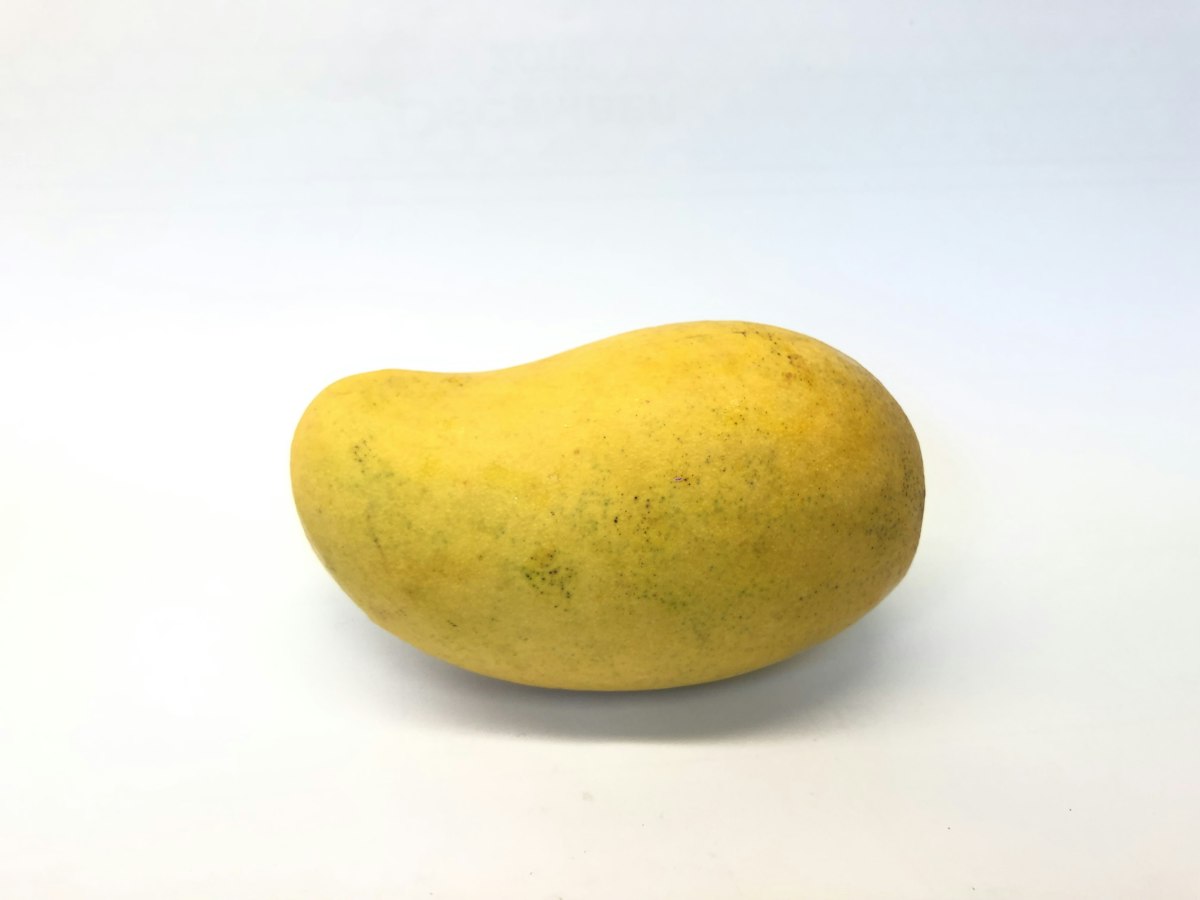
Mango and IBD: Fiber, Sugar, Flare Tips, and When It Fits
Posted on October 4, 2026 · Nutrition
Content note: Educational content aligned with publicly available patient materials from the Crohn's & Colitis Foundation and other major IBD education sources. Content is used under license from the Foundation for patient education; the Foundation does not endorse IBDPal or MediVue products or services. Last reviewed August 2026. Not individual medical advice.
Educational use only. IBDPal does not provide medical advice, diagnosis, or treatment. Always consult your gastroenterologist or IBD care team for personal decisions.
People searching mango IBD, mango Crohn's, or mango ulcerative colitis usually want a clear answer: Is mango safe, or will it trigger urgency? Tolerance is individual. This page is patient education for Crohn's disease and ulcerative colitis. It is not a diet prescription.
Pair this with flare foods, Crohn's diet overview, FODMAP overview, and the IBD nutrition hub.
Why mango shows up in IBD food searches
Mango is sweet, juicy, and common in many cuisines. It also carries fiber, natural sugar, and volume. During quiet remission, many people enjoy small ripe portions. During active colitis or small-bowel Crohn's, fruit sugar and fiber can speed transit or increase gas. Searchers want flare-versus-remission rules of thumb, not a forever ban.
Nutrition snapshot
A typical cup of diced ripe mango provides vitamin C, vitamin A precursors, potassium, and mostly carbohydrate with moderate fiber. Exact amounts vary by variety and ripeness. Green mango is firmer and more acidic. Dried mango concentrates sugar and portion size quickly.
- Macros: mostly carbohydrate; low fat and protein
- Fiber: present in flesh; skins add more roughage
- FODMAP notes: ripe mango can be higher FODMAP at larger servings for some people; portion size matters
- Electrolytes: potassium can help on low-intake days if tolerated
Flare versus remission
During a louder flare
- Many teams prefer lower-fiber, lower-volume fruits first (see bananas or cooked soft options)
- If you try mango, start with a few ripe cubes without skin, well chewed
- Skip large smoothies that dump a whole fruit's sugar at once
- Avoid dried mango strips as a "healthy snack" during urgency weeks
In quieter remission
- Ripe mango can fit Mediterranean-style variety for some people
- Test one serving size and log symptoms for 24 to 48 hours
- Pair with a protein or fat source if pure fruit sugar feels racy
- Ask about strictures before fibrous skins or large fibrous bites
Prep ideas that often feel kinder
Peel fully. Cut into small cubes. Serve ripe rather than firm green if acidity bothers you. Puree into a thin sauce over rice or yogurt if chewing volume is hard. Freeze tiny cubes for slow snacking rather than drinking a large blended portion in one sitting.
Common myths
- "Tropical fruit is always bad for IBD." Not for everyone. Location of disease, fiber load, and portion decide more than the word tropical.
- "If mango once caused urgency, never again." Re-test carefully in remission with your team. Timing, portion, and disease activity change tolerance.
- "Dried mango is the same as fresh." Drying concentrates sugar and makes overeating easy.
How to track mango with IBDPal
Log ripeness, peeled versus with skin, portion (cups or grams), and symptoms for a day or two. Patterns beat memory at clinic visits. See tracking food and symptoms.
Clinic script
"I want to know if small amounts of ripe peeled mango fit my Crohn's/colitis plan in flare versus remission. Any portion limits given my disease location or FODMAP guidance?"
Questions people search
Can I eat mango during a flare?
Many people wait until stools calm. If your team allows fruit trials, use tiny ripe peeled portions and stop if pain or urgency rises.
Is mango high FODMAP?
Serving size matters. Ask a dietitian for your personal FODMAP plan rather than copying a chart alone.
What about mango juice or lassi?
Juice removes fiber but keeps sugar. Dairy lassi adds lactose for some. Test components separately when possible.
When food questions become urgent
Contact care promptly for severe pain, vomiting, inability to keep fluids down, heavy bleeding, fever, or rapid weight loss. See flare help and when to go to the ER.
Related: melon · grapes · strawberries · Eating With IBD book · resource library.
Portion ideas people actually use
- Tiny trial: 2 to 4 peeled ripe cubes with a bland starch
- Remission snack: half cup diced mango with Greek yogurt if lactose is tolerated
- Cooked option: briefly warm diced mango into a soft sauce over white rice
- Avoid for trials: dried strips, candied pieces, large juice glasses, and unpeeled firm green mango
Mango with strictures, ostomy, or J-pouch
Fibrous skins and large fibrous bites are higher risk when the bowel is narrowed. People with an ostomy often care more about output volume and gas after sugary fruit. J-pouch teams may prefer lower-fiber fruit patterns during pouchitis flares. None of these situations has a universal mango rule. Ask your surgeon or IBD dietitian before you assume online charts apply.
Comparing mango to other tropical fruits people search
Banana is often gentler during flares for many people. Melon can be watery and lower fiber in some servings. Grapes and berries add skins and seeds. Mango sits in the middle: soft when ripe, still sweet, still fibrous if you keep the skin. Use IBDPal food logs to compare your own responses instead of ranking fruits forever.
Shopping and kitchen checklist
- Choose fragrant ripe fruit that yields slightly to pressure
- Wash the outside before cutting so the knife does not drag surface dirt into the flesh
- Peel with a sharp knife or peeler; discard skin
- Cut over a bowl to catch juice; sip water separately if juice volume feels large
- Store leftovers covered in the fridge and finish within a day or two
What to tell a dietitian in one minute
Bring: disease location, recent calprotectin or scope notes if you have them, whether you are in flare or remission, any FODMAP guidance already given, and your mango trial size. Ask whether sugar alcohols in "mango flavored" snacks are a separate issue from fresh fruit. Ask whether dried mango is off the table for now.
Education supports shared decisions. It does not replace your gastroenterologist or dietitian. Stop and seek care for chest pain, fainting, fever with bloody stools, or a sudden severe abdominal change unlike your usual IBD pattern.
Home prep counts. A few ripe cubes beat a giant smoothie on uncertain days. Consistency of logging matters more than perfect food rules copied from strangers online.
If joint pain, anemia, or ostomy output change how fruit sits, say so in clinic. Advice for isolated gut disease may not fit multi-system reality.
Seasonal mango windows vary by country. Frozen ripe mango without added sugar can be a steadier option than waiting for peak season if you already tolerate it.
Parents offering mango to kids with IBD should confirm texture and choking risk with pediatrics, especially during flares when appetite is fragile.
Travel tip: airport snack packs of dried mango look convenient and often backfire. Pack a safer backup you already tolerate, then re-test fresh mango at home.
If mango pollen or oral allergy syndrome makes your mouth itch with raw fruit, mention that separately. Cooking sometimes changes oral symptoms; gut IBD decisions still belong with your GI team.
Photos: Unsplash License (free use).
Medical Disclaimer
This article is for educational purposes only and should not replace professional medical advice, diagnosis, or treatment. Always consult your healthcare provider regarding dietary, medication, or lifestyle decisions.
Was this article helpful?