
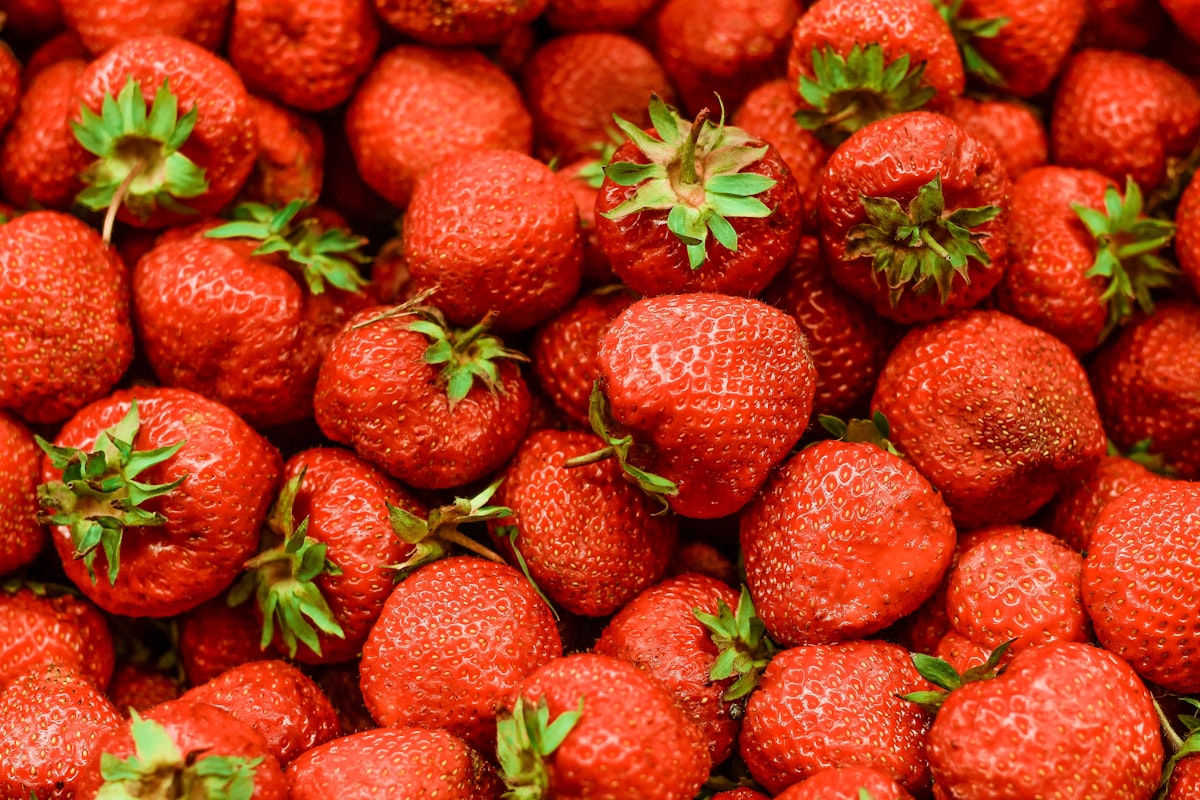
Strawberries and IBD: Vitamin C, Seeds, and Flare-Friendly Servings
Posted on August 21, 2026 · Nutrition
Content note: Educational content aligned with publicly available patient materials from the Crohn's & Colitis Foundation and other major IBD education sources. Content is used under license from the Foundation for patient education; the Foundation does not endorse IBDPal or MediVue products or services. Last reviewed August 2026. Not individual medical advice.
Educational use only. IBDPal does not provide medical advice, diagnosis, or treatment. Always consult your gastroenterologist or IBD care team for personal decisions.
Searches like strawberries Crohn's, strawberries colitis diet, and strawberries ulcerative colitis are common because patients want clear, practical answers. Tolerance with Crohn's disease or ulcerative colitis is individual. This page covers typical nutrition facts, flare versus remission ideas, and questions for your GI or dietitian. It is education only, not a prescription to eat or avoid strawberries.
Nutrition snapshot: Strawberries
Strawberries deliver vitamin C, folate, and fiber with relatively few calories. Surface seeds and acidity bother some people more than the fruit's sugar content alone.
Approximate macros (typical serving)
- Serving: 1/2 cup sliced (~80 g)
- Calories: ~25 to 30
- Carbohydrate: ~6 g
- Fiber: ~1.5 g
- Protein: ~0.5 g
- Fat: negligible
Amounts vary by brand, cooking method, and portion. Use a label or USDA FoodData Central for exact numbers, and IBDPal food logs to compare your portion to how you felt afterward.
Micronutrients people ask about
- Vitamin C: High for the calorie count; useful when produce intake is low
- Folate: Supports blood cell health alongside other folate foods
- Manganese and potassium: Small contributions to daily needs
Flare versus remission: how many people approach strawberries
Ripe strawberries that are soft and well rinsed may sit better than underripe, acidic berries. People with mouth sores sometimes prefer cooked or non-acidic fruits temporarily.
During a flare (when your team wants gentler textures)
- Try a few soft berries or cooked strawberry puree rather than a large raw serving
- Avoid strawberry seeds mixed into crunchy toppings if residue is restricted
- Watch syrupy desserts; added sugar alcohols can worsen diarrhea
- If acidity stings, switch to banana or melon until mouth and gut calm
In remission (when variety is usually easier)
- Pair with Greek yogurt or eggs for a more balanced snack
- Use in smoothies blended smooth if texture is the main issue
- Keep portions modest when stacking multiple high-fiber fruits the same day
If you have strictures, recent surgery, or a short bowel history, fiber and skins may need a different plan. Follow your clinician, not a generic list.
Prep ideas that often feel kinder
Hull, rinse, and slice thinly. Lightly stew with a splash of water until soft. Strain for a seed-reduced sauce if your dietitian suggests lower residue.
Common myths about strawberries and IBD
- Vitamin C foods cause flares. Evidence does not support blaming strawberries alone for Crohn's flares.
- You must peel strawberries. There is no peel like an apple; seed and acidity tolerance matter more.
- Frozen strawberries are worse. Frozen fruit is nutritionally similar; cooking still softens texture.
How to track strawberries with IBDPal
Log the form (raw, cooked, peeled), portion size, and symptoms for 24 to 48 hours. Patterns beat memory at clinic visits. Pair food logs with stool urgency, pain, and energy notes. See tracking food and symptoms for a simple workflow.
Questions for your gastroenterologist or dietitian
- Do oral ulcers mean I should pause acidic fruits?
- Are strawberries allowed on my current low-residue instructions?
- How should I reintroduce berries after a flare?
Bring your food log and any recent labs (iron, B12, vitamin D, electrolytes) so advice can match your disease location and nutrition gaps.
When food questions become urgent
Contact your care team promptly for severe pain, vomiting, inability to keep fluids down, heavy bleeding, fever, or rapid weight loss. Food guides cannot replace evaluation for obstruction, severe flare, or dehydration. See flare help and when to go to the ER.
Related reading: oral sores and IBD · micronutrient deficiencies · UC food trigger education. Hub: IBD nutrition.
Photos: Unsplash License (free use).
Medical Disclaimer
This article is for educational purposes only and should not replace professional medical advice, diagnosis, or treatment. Always consult your healthcare provider regarding dietary, medication, or lifestyle decisions.
Was this article helpful?