
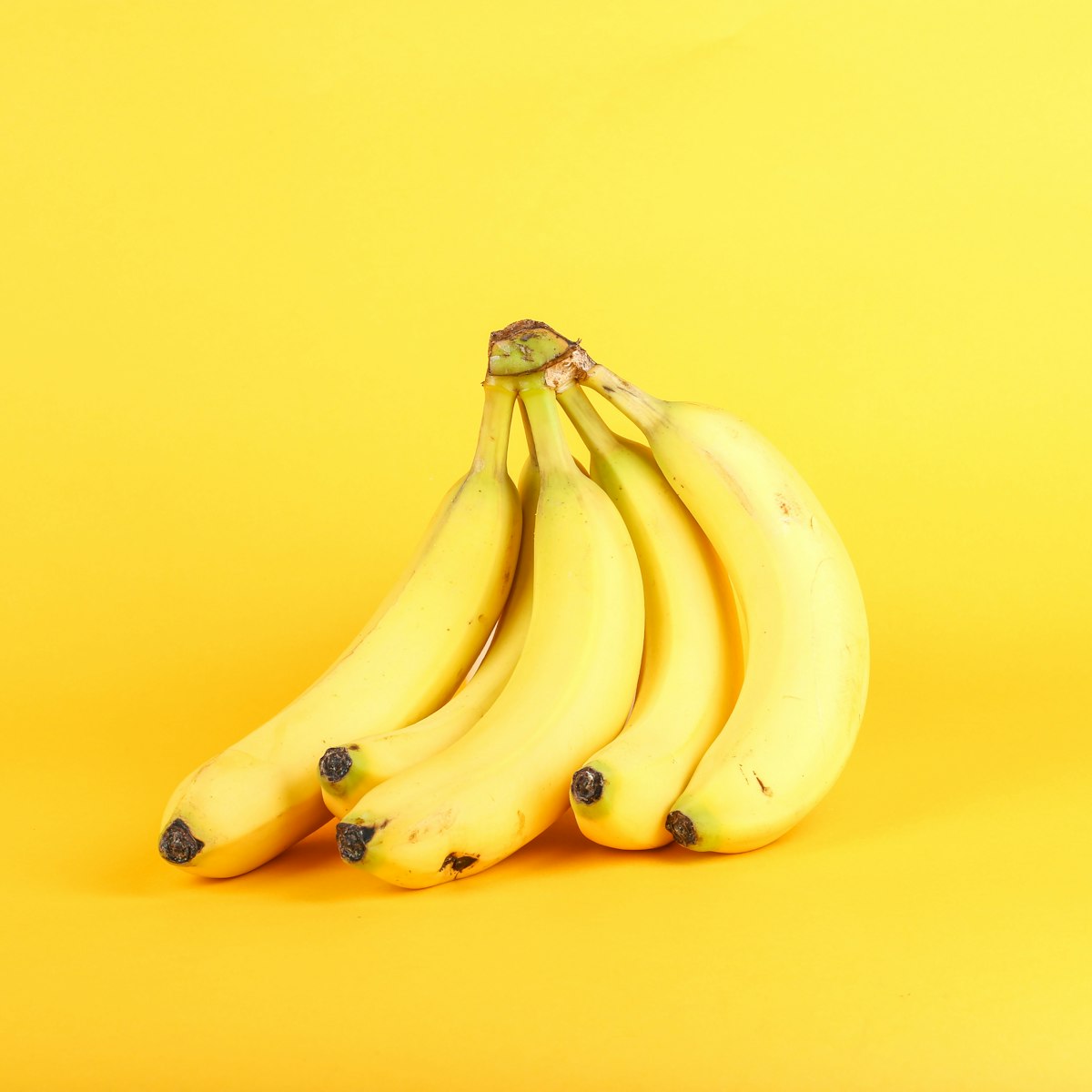
Bananas and IBD: Fiber, Potassium, and Flare-Friendly Tips
Posted on August 21, 2026 · Nutrition
Content note: Educational content aligned with publicly available patient materials from the Crohn's & Colitis Foundation and other major IBD education sources. Content is used under license from the Foundation for patient education; the Foundation does not endorse IBDPal or MediVue products or services. Last reviewed August 2026. Not individual medical advice.
Educational use only. IBDPal does not provide medical advice, diagnosis, or treatment. Always consult your gastroenterologist or IBD care team for personal decisions.
Searches like banana Crohn's disease, are bananas good for colitis, and bananas ulcerative colitis are common because patients want clear, practical answers. Tolerance with Crohn's disease or ulcerative colitis is individual. This page covers typical nutrition facts, flare versus remission ideas, and questions for your GI or dietitian. It is education only, not a prescription to eat or avoid bananas.
Nutrition snapshot: Bananas
A medium banana is often used as a soft fruit option during gentler eating phases. It supplies carbohydrates for energy, a modest amount of fiber that is mostly soluble when ripe, and notable potassium, which matters when diarrhea increases electrolyte losses.
Approximate macros (typical serving)
- Serving: 1 medium banana (~118 g)
- Calories: ~105
- Carbohydrate: ~27 g
- Fiber: ~3 g (more resistant starch when greener)
- Protein: ~1 g
- Fat: ~0.3 g
Amounts vary by brand, cooking method, and portion. Use a label or USDA FoodData Central for exact numbers, and IBDPal food logs to compare your portion to how you felt afterward.
Micronutrients people ask about
- Potassium: Helps replace losses from diarrhea; discuss labs if you take certain blood pressure meds
- Vitamin B6: Supports energy metabolism in everyday diets
- Vitamin C: Modest amount; still useful alongside other produce
- Magnesium: Small contribution; not a full replacement for deficiency therapy
Flare versus remission: how many people approach bananas
Many people tolerate ripe bananas better than firm green ones during flares because ripening shifts starch toward softer sugars and soluble fiber. Seeds and tough skins are not the issue here; ripeness and portion size usually matter more.
During a flare (when your team wants gentler textures)
- Choose yellow bananas with small brown spots; mash or slice into oatmeal or yogurt if approved
- Start with half a banana and note urgency or bloating
- Skip green bananas if they feel gassy or constipating for you
- Pair with a gentle protein (eggs, tender chicken) rather than a huge fruit-only meal
In remission (when variety is usually easier)
- Use as a portable snack with nut butter if nuts are tolerated
- Add to smoothies without large seed loads if seeds bother you
- Rotate with melon or cooked apple so one fruit does not dominate every day
If you have strictures, recent surgery, or a short bowel history, fiber and skins may need a different plan. Follow your clinician, not a generic list.
Prep ideas that often feel kinder
Mashed ripe banana, banana with white toast, or blended into a lactose-free smoothie are common gentle formats. Avoid frying in heavy batters if fat worsens urgency. Frozen banana ice cream style treats are fine for some in remission; test small servings.
Common myths about bananas and IBD
- Bananas always calm Crohn's. Helpful for many, but not a treatment. Active disease still needs medical care.
- You must avoid all fruit in IBD. Often false. Texture and portion matter more than a total ban.
- Green bananas are always better. They are higher in resistant starch, which can increase gas for some people.
How to track bananas with IBDPal
Log the form (raw, cooked, peeled), portion size, and symptoms for 24 to 48 hours. Patterns beat memory at clinic visits. Pair food logs with stool urgency, pain, and energy notes. See tracking food and symptoms for a simple workflow.
Questions for your gastroenterologist or dietitian
- Given my stool pattern, should I favor ripe bananas or pause fruit briefly?
- Do my potassium or magnesium labs suggest I need more than food alone?
- If I have a stricture, are bananas still okay in my plan?
Bring your food log and any recent labs (iron, B12, vitamin D, electrolytes) so advice can match your disease location and nutrition gaps.
When food questions become urgent
Contact your care team promptly for severe pain, vomiting, inability to keep fluids down, heavy bleeding, fever, or rapid weight loss. Food guides cannot replace evaluation for obstruction, severe flare, or dehydration. See flare help and when to go to the ER.
Related reading: fiber and IBD · low-residue flare eating · electrolytes during flares. Hub: IBD nutrition.
Photos: Unsplash License (free use).
Medical Disclaimer
This article is for educational purposes only and should not replace professional medical advice, diagnosis, or treatment. Always consult your healthcare provider regarding dietary, medication, or lifestyle decisions.
Was this article helpful?