
Plantain With IBD: Green Versus Ripe, Boiled Versus Fried
Posted on August 15, 2026 · Nutrition
Content note: Educational content aligned with publicly available patient materials from the Crohn's & Colitis Foundation and other major IBD education sources. Content is used under license from the Foundation for patient education; the Foundation does not endorse IBDPal or MediVue products or services. Last reviewed August 2026. Not individual medical advice.
Educational use only. IBDPal does not provide medical advice, diagnosis, or treatment. Always consult your gastroenterologist or IBD care team for personal decisions.
Searches like plantain Crohn's and plantain ulcerative colitis diet are common worldwide. Tolerance with Crohn's or ulcerative colitis is individual. Education only, not a prescription to eat or avoid plantain.
Nutrition snapshot: Plantain
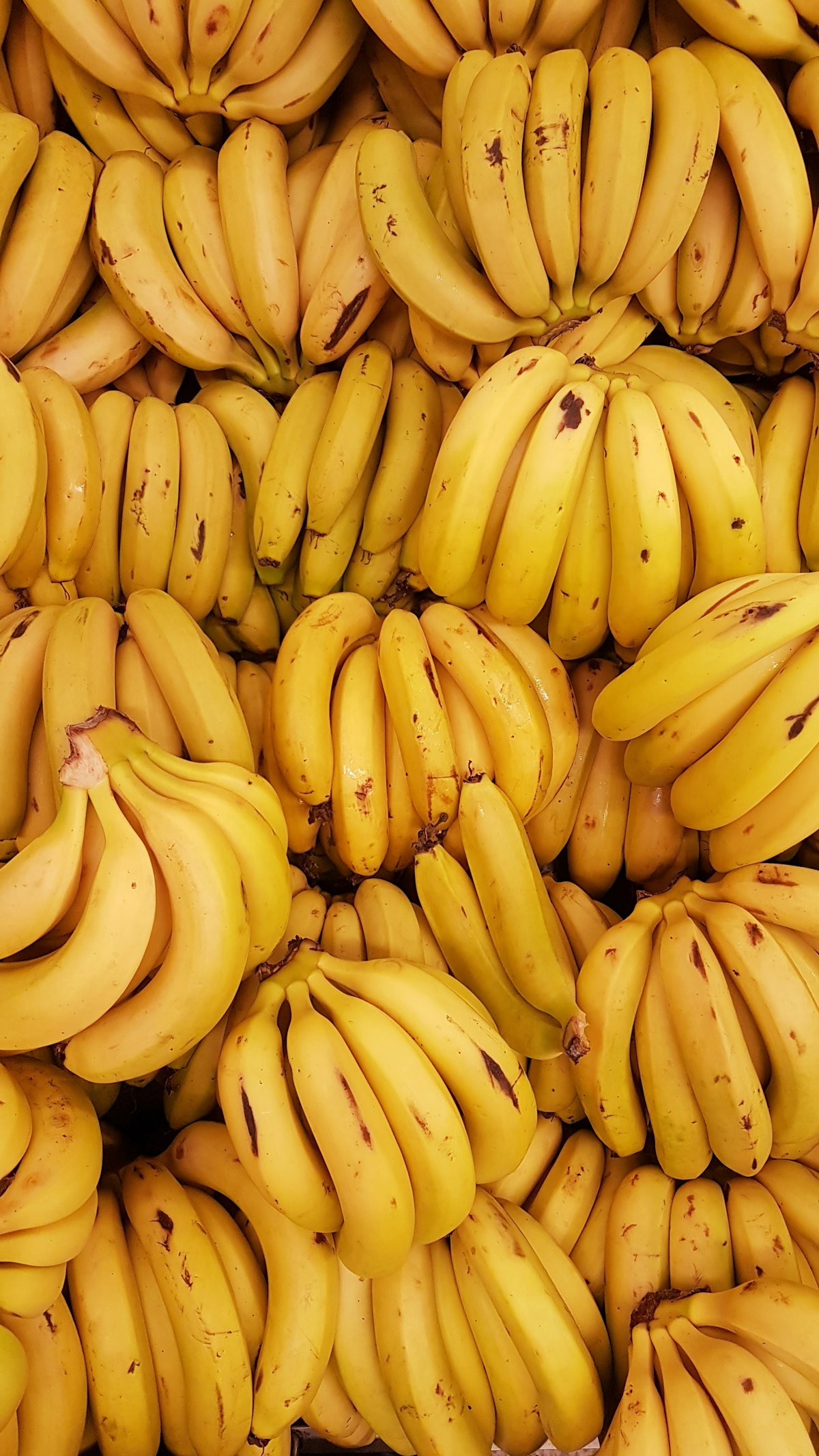
Plantains are starchy banana relatives used across Latin American, Caribbean, and West African kitchens. Green plantains are more starch-forward; ripe yellow-black plantains are sweeter and softer when cooked.
- Serving: 1 medium plantain cooked (~150 to 180 g edible)
- Calories: ~200 boiled; much higher when fried
- Carbohydrate: ~50 g
- Fiber: ~3 to 4 g
- Protein: ~2 g
- Fat: low boiled; high as tostones or maduros fritos
- Potassium and vitamin A precursors: Higher as plantains ripen
- Vitamin C: Present, reduced with long cooking
- Resistant starch: More notable in green, cooled preparations for some nutrition contexts
Flare versus remission
Soft boiled or mashed ripe plantain is often gentler than twice-fried tostones. Green firm pieces and heavy frying oil can feel harder during flares or with fat-triggered urgency.
During a flare
- Prefer boiled or steamed ripe plantain mashed smooth
- Limit deep-fried chips and tostones if oil worsens symptoms
- Start with a small portion beside protein
- Avoid raw green plantain
In remission
- Use plantain as a cultural starch swap for potato or rice
- Trial lightly pan-cooked ripe slices if fried food usually sits well in small amounts
- Watch sweet maduros portions if loose stools follow large sugar loads
Prep ideas
Peel, slice, and boil until fork-tender, then mash with a little salt. Bake instead of deep-fry when you want crisp edges with less oil.
Myths
- Plantain is the same as dessert banana for every gut. Starch and ripeness differ; test your own tolerance.
- Fried plantain is required for nutrition. Boiled plantain still provides carbohydrate.
- Green plantain fiber always calms IBD. Texture and fat matter as much as the fruit label.
Questions for your care team
- Is boiled plantain appropriate on my low-residue plan?
- How do fried foods fit my current symptoms?
- Can plantain help me hit calorie goals when appetite is low?
Log form and portion in IBDPal. Related: bananas · white rice · sweet potato. Hub: IBD nutrition.
Green versus ripe plantain
Green plantains are starchy and lower sugar, often better tolerated boiled or baked during flare-sensitive weeks.
Ripe yellow plantains are sweeter and may trigger urgency in some patients when fried in heavy oil.
Portion and cooking method matter as much as ripeness stage.
Preparation methods
Boiling or baking with minimal oil is gentler than deep frying. Mash for softer texture after surgery or strictures with team approval.
Pair with lean protein to balance blood sugar when eating sweeter ripe plantains in remission.
Spices like garlic may add FODMAP load in large stews. Adjust recipes individually.
Cultural meals and dining
Caribbean and West African dishes feature plantains frequently. Ask restaurants about oil type and spice.
Frozen plantain products vary in additives. Read labels.
Leftover tostones reheat crisply but may feel heavy if fat triggers symptoms.
When to pause plantains
During strict low-residue phases, clinicians may prefer plain rice or potatoes temporarily.
Reintroduce gradually with symptom logs after flares settle.
Diabetes or insulin resistance needs portion awareness with ripe plantains.
Common questions
Are plantain chips safe?
Baked low-oil versions may work in remission. Greasy chips often worsen symptoms.
Is plantain gluten free?
Yes, plantains are naturally gluten free.
Can babies with IBD eat plantain?
Pediatric dietitians guide textures and portions for infants and toddlers.
Steam green plantains before mashing to reduce oil needs.
Compare tolerance of boiled versus fried versions in a food diary.
Bring a written symptom and medication list to each gastroenterology visit so limited appointment time is used well.
Patient education supports shared decision making; it does not replace individual medical assessment by your IBD team.
Track patterns over one to two weeks before clinic visits because single-day snapshots can mislead both you and your clinician.
Tell your team about travel, work stress, sleep changes, and menstrual cycle timing when symptoms shift unexpectedly.
Medication adherence and follow-up labs are as important as diet changes for many people living with Crohn's disease or ulcerative colitis.
Discuss how this topic applies to your current disease activity with your gastroenterologist rather than relying on general online advice alone.
Photos: Pexels License (free use).
Medical Disclaimer
This article is for educational purposes only and should not replace professional medical advice, diagnosis, or treatment. Always consult your healthcare provider regarding dietary, medication, or lifestyle decisions.
Was this article helpful?