
Nutrition for Teens With IBD: Growth, Protein, and School Lunches
Posted on June 17, 2026 · Nutrition
Content note: Educational content aligned with publicly available patient materials from the Crohn's & Colitis Foundation and other major IBD education sources. Content is used under license from the Foundation for patient education; the Foundation does not endorse IBDPal or MediVue products or services. Last reviewed August 2026. Not individual medical advice.
Educational use only. IBDPal does not provide medical advice, diagnosis, or treatment. Always consult your gastroenterologist or IBD care team for personal decisions.
Parents often search teen Crohn's nutrition or IBD growth delay after noticing clothes fitting differently or growth charts flattening. Active inflammation steals calories and nutrients; healing requires enough fuel.
Growth and Weight Monitoring
Pediatric gastroenterologists track height velocity and BMI. Falling off your curve during puberty warrants discussion, medication adjustment, enteral nutrition, or supplement plans may be options your team already uses.
Protein and Key Nutrients
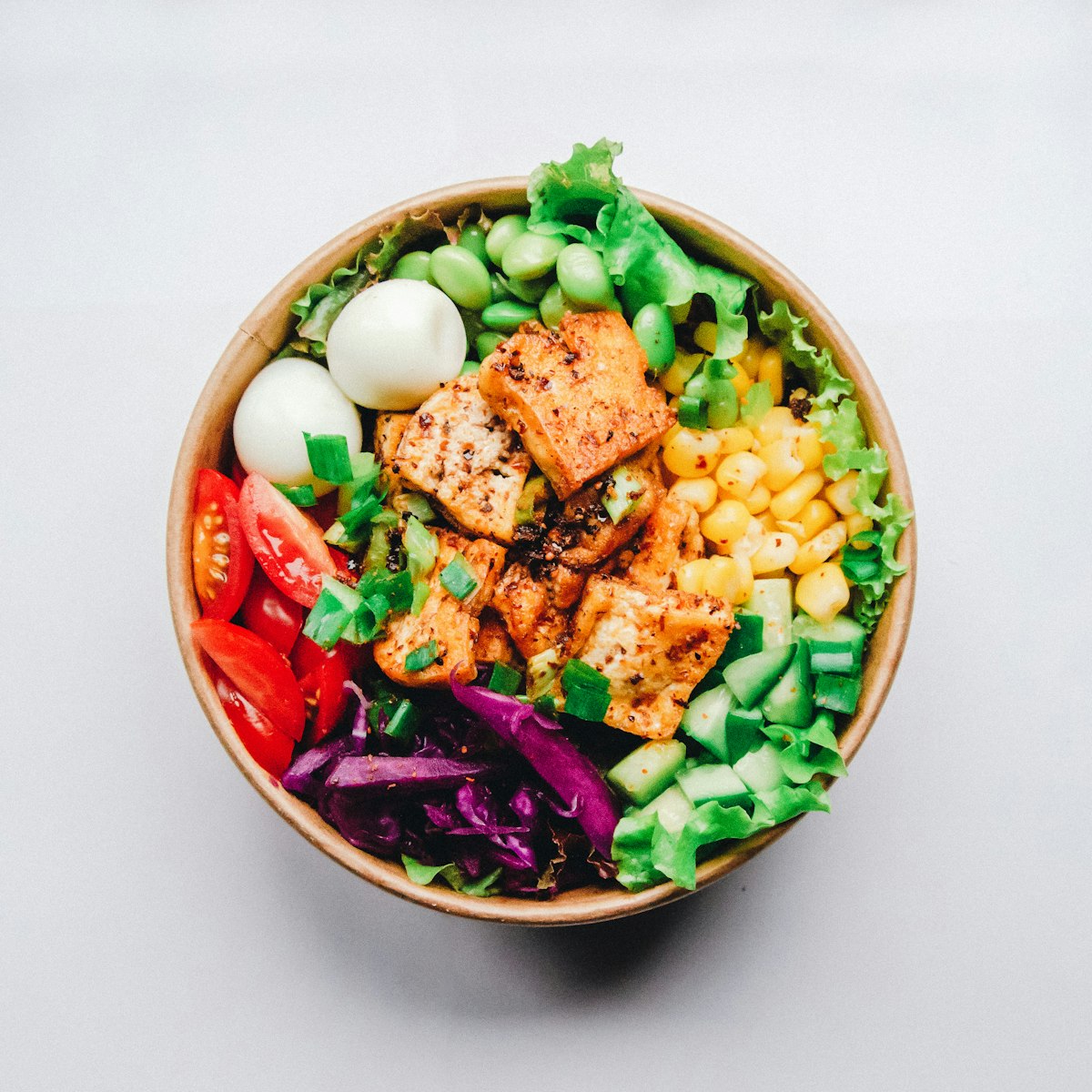
- Protein: Eggs, yogurt, tender meats, tofu, smoothies, especially after steroid courses.
- Calcium & vitamin D: Bones are building now; ask about labs and fortified foods.
- Iron: Fatigue plus heavy periods or intestinal loss, common teen combo; test, don't guess.
School Cafeteria Survival
Identify two to three go-to meals that do not worsen your symptoms. Pack backup snacks if lines are long. Hydration matters in hot climates and during sports, see hydration tips for IBD.
Restrictive Diets and Social Eating
Low-residue or low-FODMAP trials should be time-limited and supervised. Teens need flexibility for pizza nights and team dinners when possible, perfection is not the goal; adequacy is.
Tracking Helps Conversations
Log meals, energy, and stools in IBDPal before dietitian visits. Patterns beat memory when school weeks blur together.
Growth monitoring in pediatric IBD
Delayed puberty, short stature, and low weight for age signal inadequate disease control or nutrition.
Pediatric clinics plot height velocity every visit, not only weight.
Exclusive enteral nutrition sometimes induces remission while supporting growth in Crohn's disease.
School lunch strategies
Packed lunches ensure safe calories when cafeteria options are limited during flares.
504 plans may allow snack breaks and water bottles in class.
Avoid shaming teens about appetite swings on steroids or during depression.
Protein, calcium, and vitamin D for bones
Teens build peak bone mass now. Adequate dairy or alternatives plus vitamin D protect against steroid bone loss.
Multivitamins do not replace targeted iron or B12 when labs show deficiency.
Sports participation needs fueling plans preventing undernutrition.
Eating disorder vigilance
Restrictive eating may follow diagnosis or steroid weight gain. Mental health screening is routine.
Separate disease-triggered avoidance from true eating disorders requiring specialized care.
Family meals without pressure comments support healthier relationships with food.
Growth chart reviews with parents and teens
Ask clinicians to explain height velocity graphs in plain language each visit.
Celebrate growth improvements after enteral nutrition or remission induction.
Address delayed puberty questions openly with pediatric endocrinology when needed.
Sports and calorie needs
Athletic teens need higher protein and calories; dietitians adjust when flares reduce intake.
Hydration plans differ for wrestlers cutting weight versus soccer midfielders.
Monitor iron status when menstrual periods start during active IBD.
Coordinating care across your health team
Ask your gastroenterologist whether dietitian, mental health, physical therapy, or social work referrals would help the issues raised here.
Share updates from other specialists at GI visits so drug interactions and overlapping symptoms are reviewed in one place.
Use your patient portal to upload outside lab results and hospital records before appointments when possible.
Planning ahead when life gets busy
Pack medications, snacks, and a small symptom kit before exams, trips, or overtime weeks when routines slip first.
Identify backup clinicians or infusion centers near work, campus, or relatives in case flares occur away from home.
Discuss preventive plans with your clinician before predictable stress seasons such as finals, tax season, or postpartum return to work.
When symptoms shift despite good habits
Return to your GI team if new bleeding, fever, weight loss, or pain appears even when you follow general lifestyle guidance.
Labs and stool markers sometimes change before you feel improvement, and sometimes lag behind symptoms. Your clinician interprets both together.
Do not assume setbacks mean personal failure. Inflammatory bowel disease activity fluctuates and often responds to timely medical adjustment.
Recording what works for your next visit
Keep a brief symptom and lifestyle log for one to two weeks before appointments. Note sleep, stress, meals, and bowel patterns so your clinician sees trends instead of a single bad day.
List medications, supplements, and missed doses honestly. Small adherence gaps help your GI team adjust plans faster than guessing.
Bring one prioritized question from this article so limited visit time addresses what matters most to you right now.
Common questions
Should teens take adult supplement doses?
Pediatric dosing differs. Ask before using adult labels.
Can teens fast for religious reasons?
Discuss with GI team to prevent dehydration during active disease.
Is picky eating always IBD?
Behavioral picky eating coexists. Dietitians address both.
Photos: Unsplash License (free use).
Medical Disclaimer
This article is for educational purposes only and should not replace professional medical advice, diagnosis, or treatment. Always consult your healthcare provider regarding dietary, medication, or lifestyle decisions.
Was this article helpful?