
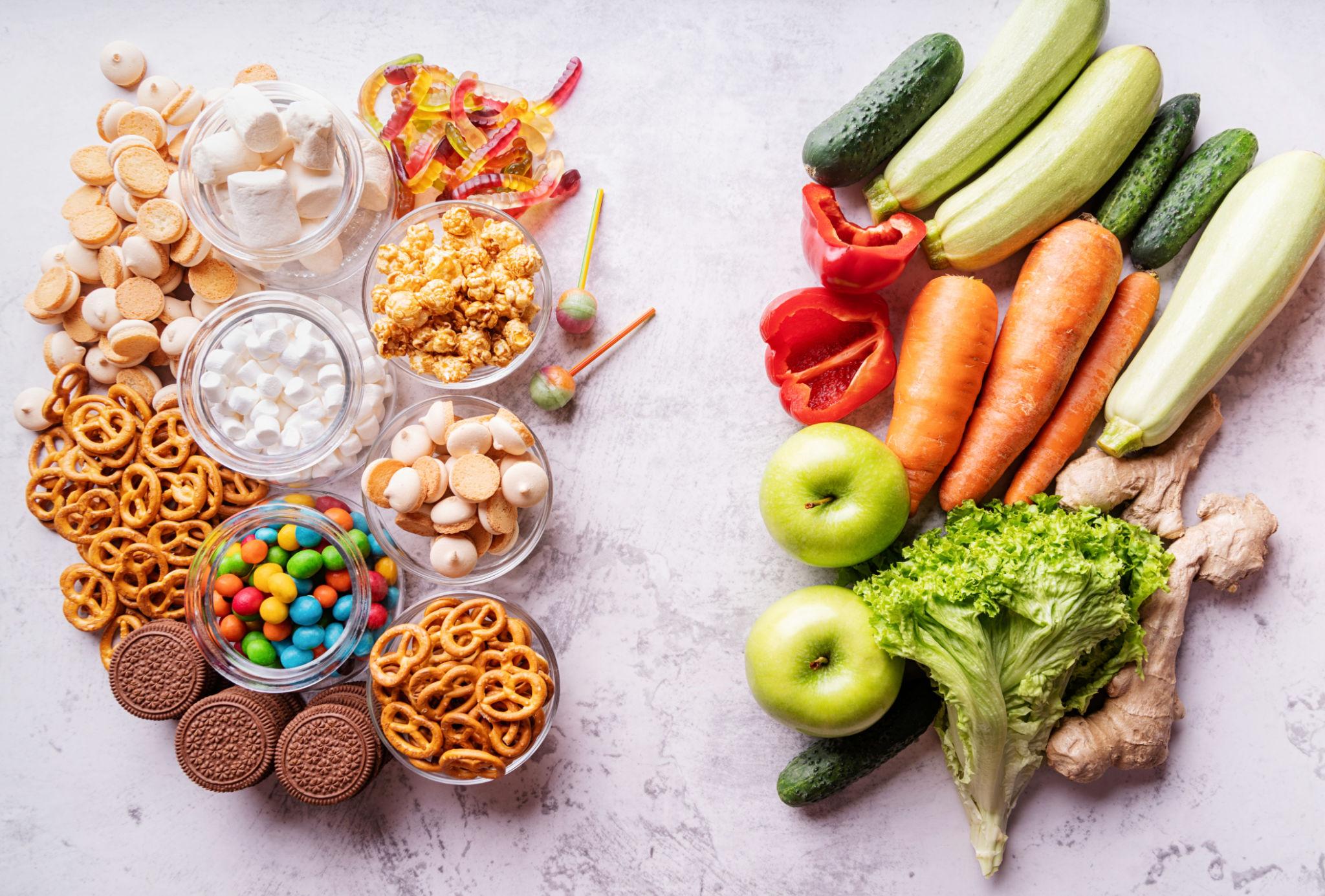
Foods That May Trigger Ulcerative Colitis Symptoms
Posted on May 18, 2026 · Nutrition & IBD
Content note: Educational content aligned with publicly available patient materials from the Crohn's & Colitis Foundation and other major IBD education sources. Content is used under license from the Foundation for patient education; the Foundation does not endorse IBDPal or MediVue products or services. Last reviewed August 2026. Not individual medical advice.
Educational use only. IBDPal does not provide medical advice, diagnosis, or treatment. Always consult your gastroenterologist or IBD care team for personal decisions.
Understanding Food Triggers in Ulcerative Colitis
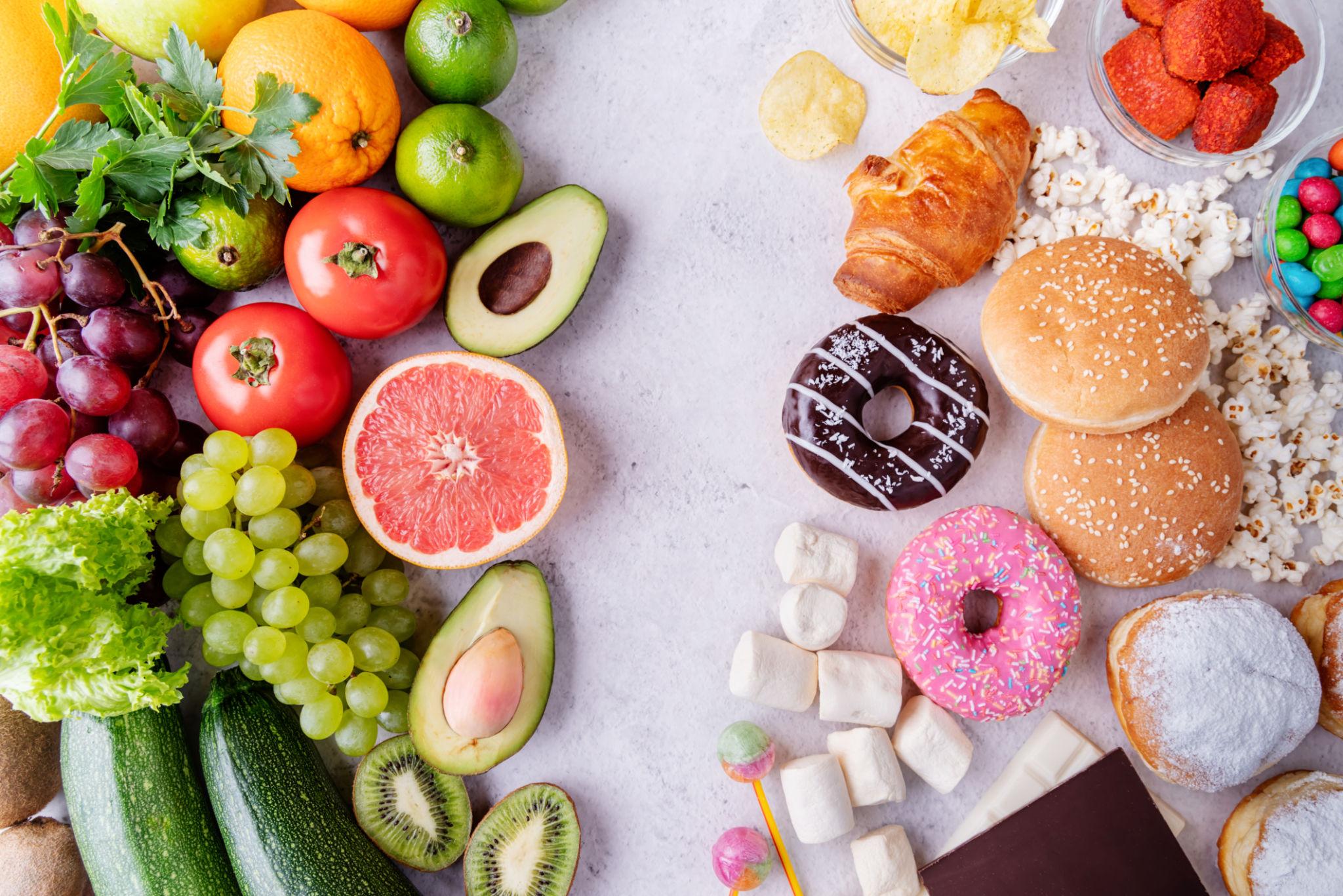
Ulcerative colitis affects everyone differently. Some individuals can tolerate a wide variety of foods, while others experience worsening symptoms after eating specific ingredients or meals. Although food does not directly cause ulcerative colitis, certain foods may aggravate symptoms during active inflammation.
Learning personal trigger foods often takes time, patience, and careful symptom observation.
Common Trigger Foods
1. Spicy Foods
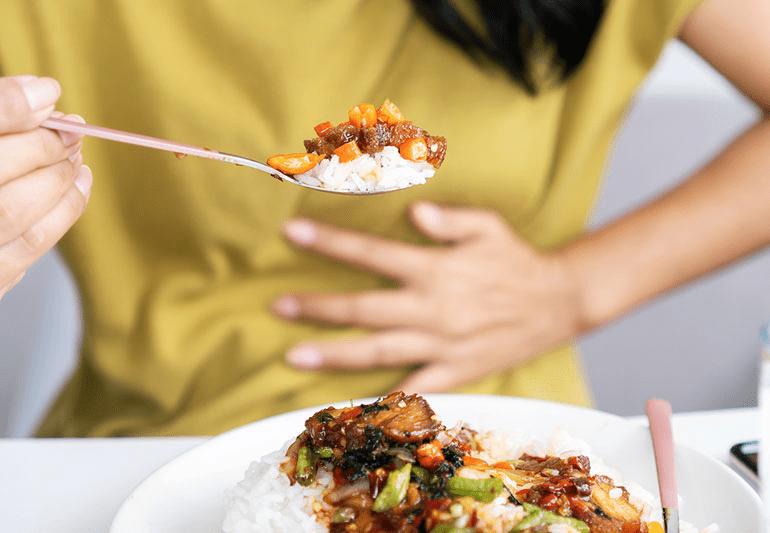
Spicy meals may irritate the digestive tract for some individuals and contribute to abdominal discomfort or diarrhea.
2. Fried and Greasy Foods
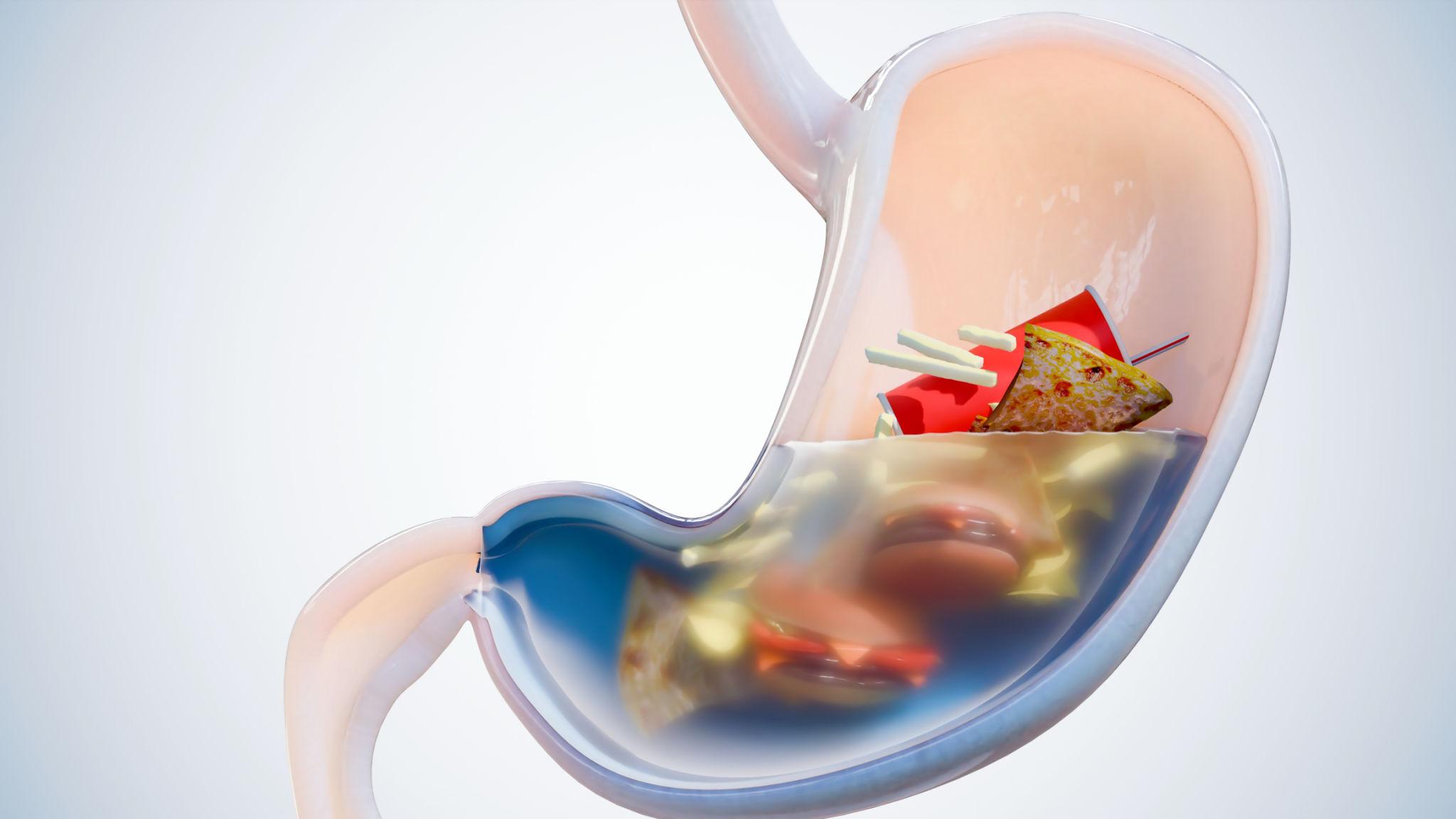
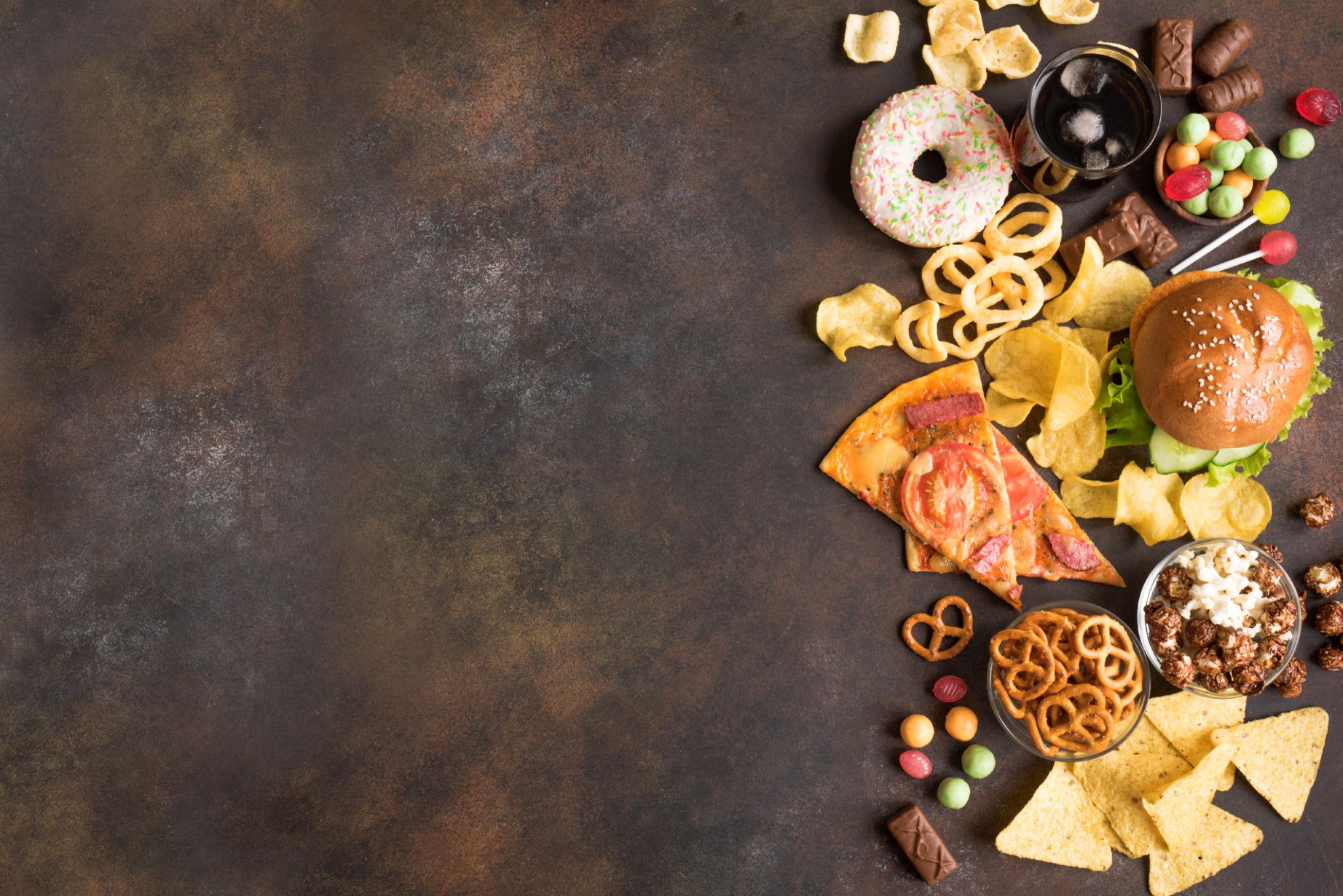
High-fat foods may be more difficult to digest during flares and can worsen bloating or urgency in some people.
3. Dairy Products
Some individuals with ulcerative colitis may also experience lactose intolerance, which can contribute to bloating, cramping, or diarrhea.
4. Caffeine
Coffee and energy drinks may stimulate the digestive tract and increase urgency or bowel frequency.
5. Carbonated Beverages
Soda and sparkling drinks may increase bloating and discomfort.
Why Tracking Matters
Trigger foods are highly individualized. A meal that causes symptoms for one person may be completely tolerated by another. This is why food and symptom tracking can be extremely helpful.
Patterns to monitor include:
- symptom severity
- bowel frequency
- abdominal pain
- fatigue
- stress levels
- hydration
Using a tracking app can help users recognize recurring trends over weeks or months. Tools like IBDPal can make it easier to log meals and symptoms consistently and share summaries with healthcare providers.
Nutrition Should Not Feel Restrictive
Many people with IBD become afraid of eating due to symptom anxiety. Overly restrictive diets may increase the risk of malnutrition and stress. Working with healthcare professionals or dietitians can help individuals maintain balanced nutrition while identifying foods that work best for their body.
Triggers versus inflammation
Food triggers worsen symptoms without necessarily raising calprotectin. Inflammation triggers need medical treatment.
Ulcerative colitis patients often report caffeine, alcohol, spicy foods, and high-fat meals as irritants.
Keeping a structured log separates patterns from random bad days.
Common UC symptom irritants
Insoluble fiber from raw vegetables and nuts may increase urgency during active left-sided colitis.
Sugar alcohols in gum and diet products cause osmotic diarrhea.
Large fatty meals accelerate transit for some patients.
Personalizing elimination trials
Remove one suspect food for two weeks, then challenge while noting symptoms.
Do not accumulate long forbidden lists without dietitian oversight.
Reintroduce tolerated foods to support microbiome diversity in remission.
Medical therapy remains central
Diet cannot replace mesalamine or biologics when inflammation is documented.
Bleeding and nocturnal stools need clinic outreach, not only diet tweaks.
Sodium and potassium matter when diarrhea is high.
Common questions
Are UC triggers the same as Crohn's triggers?
Overlap exists but patterns differ. Personalize with your team.
Should I avoid all raw food?
Not always. Remission often tolerates gradual raw produce reintroduction.
Can coffee trigger UC?
Many report yes. Trial decaf or smaller cups.
Photo meal logs speed dietitian visits.
Carry safe snacks to avoid desperate vending machine choices.
Bring a written symptom and medication list to each gastroenterology visit so limited appointment time is used well.
Patient education supports shared decision making; it does not replace individual medical assessment by your IBD team.
Track patterns over one to two weeks before clinic visits because single-day snapshots can mislead both you and your clinician.
Tell your team about travel, work stress, sleep changes, and menstrual cycle timing when symptoms shift unexpectedly.
Medication adherence and follow-up labs are as important as diet changes for many people living with Crohn's disease or ulcerative colitis.
Triggers versus inflammation
Food triggers worsen symptoms without necessarily raising calprotectin. Inflammation triggers need medical treatment.
Ulcerative colitis patients often report caffeine, alcohol, spicy foods, and high-fat meals as irritants.
Keeping a structured log separates patterns from random bad days.
Common UC symptom irritants
Insoluble fiber from raw vegetables and nuts may increase urgency during active left-sided colitis.
Sugar alcohols in gum and diet products cause osmotic diarrhea.
Large fatty meals accelerate transit for some patients.
Personalizing elimination trials
Remove one suspect food for two weeks, then challenge while noting symptoms.
Do not accumulate long forbidden lists without dietitian oversight.
Reintroduce tolerated foods to support microbiome diversity in remission.
Medical therapy remains central
Diet cannot replace mesalamine or biologics when inflammation is documented.
Bleeding and nocturnal stools need clinic outreach, not only diet tweaks.
Sodium and potassium matter when diarrhea is high.
Common questions
Are UC triggers the same as Crohn's triggers?
Overlap exists but patterns differ. Personalize with your team.
Should I avoid all raw food?
Not always. Remission often tolerates gradual raw produce reintroduction.
Can coffee trigger UC?
Many report yes. Trial decaf or smaller cups.
Photo meal logs speed dietitian visits.
Carry safe snacks to avoid desperate vending machine choices.
Bring a written symptom and medication list to each gastroenterology visit so limited appointment time is used well.
Patient education supports shared decision making; it does not replace individual medical assessment by your IBD team.
Track patterns over one to two weeks before clinic visits because single-day snapshots can mislead both you and your clinician.
Tell your team about travel, work stress, sleep changes, and menstrual cycle timing when symptoms shift unexpectedly.
Medication adherence and follow-up labs are as important as diet changes for many people living with Crohn's disease or ulcerative colitis.
Medical Disclaimer
This article is for educational purposes only and should not replace professional medical advice, diagnosis, or treatment. Always consult your healthcare provider regarding dietary, medication, or lifestyle decisions.
Was this article helpful?