
Omega-3 and IBD: Fish, Supplements, and What Evidence Suggests
Posted on August 28, 2026 · Nutrition
Content note: Educational content aligned with publicly available patient materials from the Crohn's & Colitis Foundation and other major IBD education sources. Content is used under license from the Foundation for patient education; the Foundation does not endorse IBDPal or MediVue products or services. Last reviewed August 2026. Not individual medical advice.
Educational use only. IBDPal does not provide medical advice, diagnosis, or treatment. Always consult your gastroenterologist or IBD care team for personal decisions.
Searches like omega-3 Crohn's disease, fish oil ulcerative colitis, and omega-3 fats ulcerative colitis spike when labs come back low or fatigue will not quit. This page explains what omega-3 fats does, why IBD raises risk, gentler food sources, and questions for your GI or dietitian. It is education only, not a dose or supplement prescription.
What Omega-3 fats does in the body
Omega-3 fatty acids (EPA and DHA from fish, ALA from some plants) are popular in anti-inflammatory diet searches. They support heart and general nutrition goals, but fish oil is not a proven stand-alone Crohn's or colitis therapy for everyone.
- Structural fats in cell membranes
- Precursors for signaling molecules involved in inflammation resolution pathways
- Support heart and triglyceride health in broader medical nutrition
Why omega-3 fats gaps are common in Crohn's and colitis
- Patients seek anti-inflammatory eating patterns (Mediterranean-style plates often include fish)
- Low fish intake is common on limited menus
- Fat tolerance varies; oily fish or concentrated oils can worsen urgency for some during flares
- Supplement quality and dose vary widely on store shelves
Evidence that fish oil induces IBD remission is mixed and not a reason to skip prescribed medicines. High-dose oils can affect bleeding risk with some medicines and may cause burps or looser stools.
Food sources that often fit IBD eating
Food-first omega-3 from fish is usually preferred over mystery megadose capsules when fish is tolerated.
Gentler options many people use during flares
- Small portions of tender white fish if oily fish feels too heavy
- Smooth nut butters providing ALA if tolerated (conversion to EPA/DHA is limited)
- Hold concentrated fish oil during bad fat-intolerance weeks unless your clinician says otherwise
- Focus on overall calories and protein first when underweight in a flare
Wider options when remission allows more variety
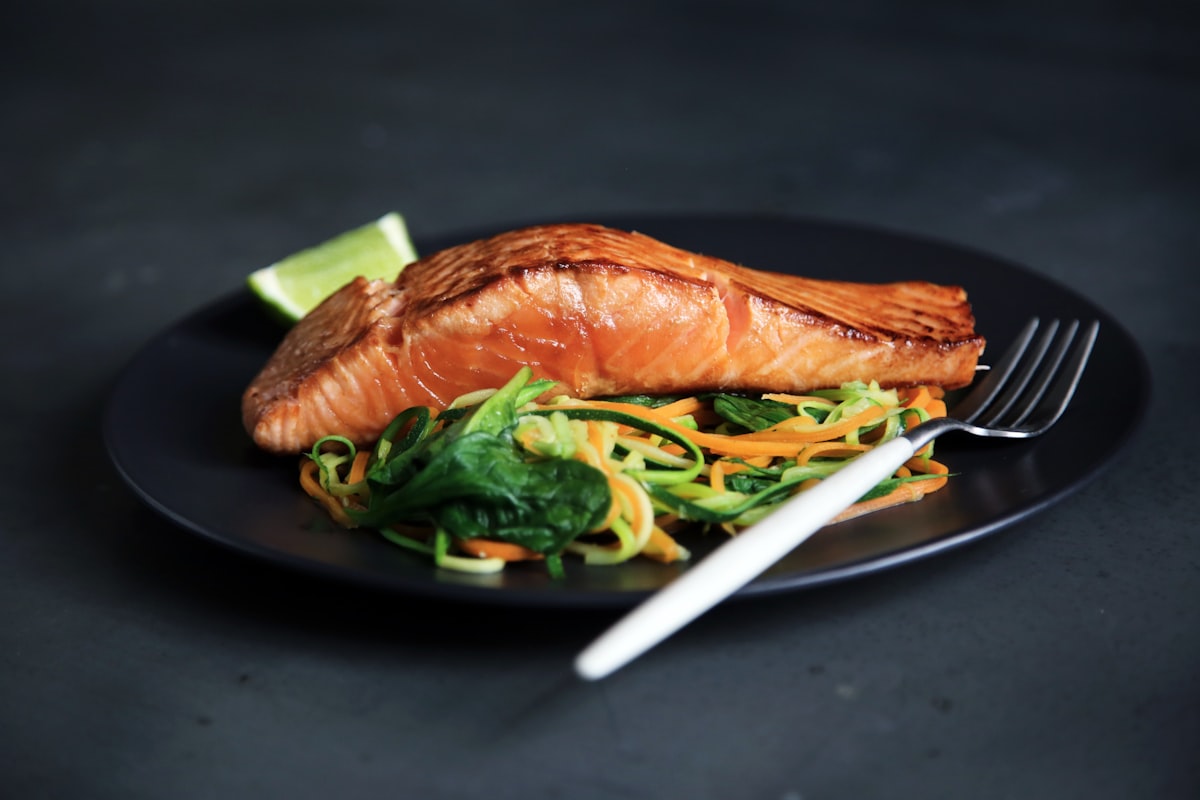
- Salmon, sardines, trout, or other fatty fish a few times per week if desired and tolerated
- Mediterranean-style plates with fish, olive oil, and produce you tolerate
- Walnuts or ground flax if seeds/nuts are cleared (ALA source)
- Discuss algae-based DHA if you avoid fish
Food first is the usual starting point. Supplements belong under clinician guidance, especially if you have kidney disease, take interacting medicines, or already use a multivitamin.
Supplements and safety notes
If a clinician recommends an omega-3 supplement, ask about EPA/DHA dose, brand quality, and timing with anticoagulants or surgery. More milligrams is not automatically more remission.
Labs and monitoring people ask about
- Routine omega-3 blood indexes are not required for most IBD visits
- Triglycerides and heart risk panels may motivate fish intake for other reasons
- Bring supplement bottles to visits so doses are visible
Log meals and symptoms in IBDPal so your team can connect intake patterns with labs. See how IBDPal sets nutrition targets and food symptom tracking.
Common myths about omega-3 fats and IBD
- Fish oil replaces biologics. False. Stay on prescribed IBD therapy.
- Plant omega-3 fully equals fish EPA/DHA for everyone. Conversion is limited; needs vary.
- Any supermarket oil labeled omega-3 is proven for colitis. Marketing outruns evidence for many products.
Questions for your gastroenterologist or dietitian
- Does fish oil make sense for me given my medicines and stool pattern?
- How can I add fish without triggering urgency?
- Should I follow a Mediterranean-style pattern with an IBD dietitian?
When to call sooner
Seek prompt care for severe weakness, irregular heartbeat symptoms, fainting, inability to keep fluids down, heavy bleeding, or fever with rapid decline. Nutrient articles cannot diagnose emergencies. See flare help and when to go to the ER.
Related reading: anti-inflammatory diet · Mediterranean-style eating · poultry protein alternatives. Overview: micronutrient deficiencies in IBD. Hub: IBD nutrition.
Photos: Unsplash License (free use).
Medical Disclaimer
This article is for educational purposes only and should not replace professional medical advice, diagnosis, or treatment. Always consult your healthcare provider regarding dietary, medication, or lifestyle decisions.
Was this article helpful?