
Mesalamine (5-ASA) for Ulcerative Colitis and Crohn's: Basics
Posted on June 16, 2026 · Treatment
Content note: Educational content aligned with publicly available patient materials from the Crohn's & Colitis Foundation and other major IBD education sources. Content is used under license from the Foundation for patient education; the Foundation does not endorse IBDPal or MediVue products or services. Last reviewed August 2026. Not individual medical advice.
Educational use only. IBDPal does not provide medical advice, diagnosis, or treatment. Always consult your gastroenterologist or IBD care team for personal decisions.
Mesalamine (5-aminosalicylic acid, or 5-ASA) is a foundational medication for many people with ulcerative colitis and sometimes Crohn's disease involving the colon. It acts mainly on the lining of the bowel rather than suppressing the entire immune system like steroids.
Forms you may see
- Oral tablets or capsules
- Rectal suppositories or enemas for distal colitis
- Combination oral plus topical therapy in some plans
Adherence matters
Missing doses during remission is a common reason symptoms return. Use pill reminders or IBDPal medication tracking if helpful.
When to call your team
Worsening blood, pain, or fever despite mesalamine needs reassessment. Do not assume the medication failed without a visit and labs.
What mesalamine does in IBD
Mesalamine and related 5-ASA drugs deliver anti-inflammatory action to the lining of the colon and sometimes terminal ileum depending on formulation.
They are mainstay therapy for many ulcerative colitis patients and selected Crohn's disease cases with colonic involvement.
Multiple brands differ by release mechanism, dosing frequency, and target bowel segments.
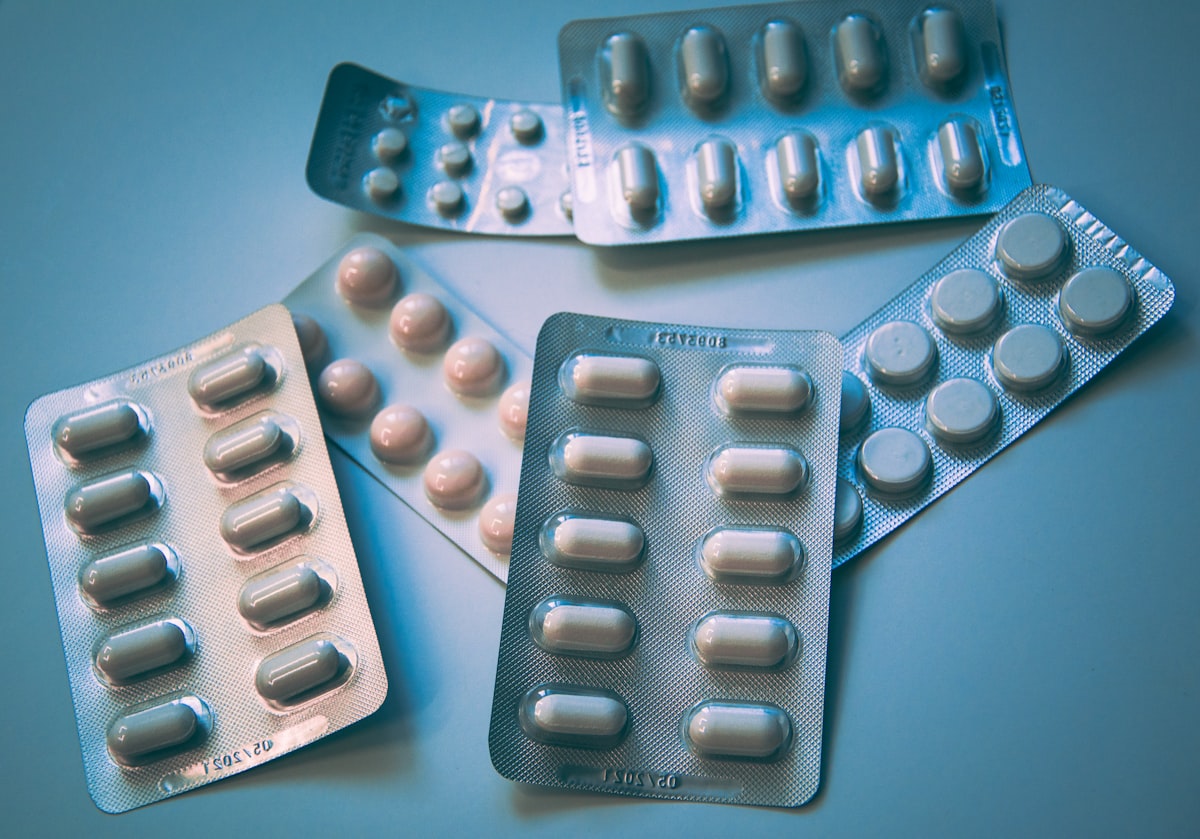
Forms: oral, enema, suppository
Topical mesalamine enemas and suppositories reach distal colitis directly when oral pills alone miss the rectum.
Combination oral plus rectal therapy improves outcomes in left-sided colitis more than oral alone in many studies.
Your clinician chooses formulation based on endoscopy extent, not only symptom location.
Adherence and expectations
Mesalamine works best when taken consistently, even when you feel well. Stopping silently raises relapse risk in colitis maintenance.
Full benefit may take weeks. Do not judge failure after a few days unless severe symptoms require escalation sooner.
Pill burden is real. Discuss once-daily brands or combination plans if dosing fatigue causes missed days.
Side effects and monitoring
Headache, nausea, and rash occur occasionally. Rare kidney and pancreas effects mean periodic lab monitoring per clinic protocol.
Report worsening abdominal pain, yellowing skin, or dark urine promptly.
Mesalamine is not interchangeable with sulfasalazine for all patients due to sulfa allergy and different metabolism.
Rectal therapy adherence tips
Use enemas at the same clock time daily when prescribed twice-daily regimens.
Lie on your left side for several minutes after liquid enemas to improve retention.
Travel with suppositories in insulated bags if summer heat melts formulations.
When symptoms suggest inadequate topical reach
Rectal bleeding with formed stools may mean proctitis needs added rectal mesalamine.
Tell your clinician if urgency persists despite oral pills alone.
Combination oral plus rectal therapy is common for left-sided colitis maintenance.
Coordinating care across your health team
Ask your gastroenterologist whether dietitian, mental health, physical therapy, or social work referrals would help the issues raised here.
Share updates from other specialists at GI visits so drug interactions and overlapping symptoms are reviewed in one place.
Use your patient portal to upload outside lab results and hospital records before appointments when possible.
Planning ahead when life gets busy
Pack medications, snacks, and a small symptom kit before exams, trips, or overtime weeks when routines slip first.
Identify backup clinicians or infusion centers near work, campus, or relatives in case flares occur away from home.
Discuss preventive plans with your clinician before predictable stress seasons such as finals, tax season, or postpartum return to work.
When symptoms shift despite good habits
Return to your GI team if new bleeding, fever, weight loss, or pain appears even when you follow general lifestyle guidance.
Labs and stool markers sometimes change before you feel improvement, and sometimes lag behind symptoms. Your clinician interprets both together.
Do not assume setbacks mean personal failure. Inflammatory bowel disease activity fluctuates and often responds to timely medical adjustment.
Common questions
Can I stop mesalamine in remission?
Only if your gastroenterologist plans a supervised taper with monitoring. Many colitis patients stay on maintenance for years.
Does mesalamine replace biologics?
For moderate to severe disease, biologics or advanced small molecules may be required. Mesalamine alone is insufficient for deep remission in many high-risk patients.
Are generic versions equivalent?
Most are, but release profiles differ by brand. Pharmacists should note formulation changes during refills.
Related: immunosuppressants, ulcerative colitis hub.
Photos: Unsplash License (free use).
Medical Disclaimer
This article is for educational purposes only and should not replace professional medical advice, diagnosis, or treatment. Always consult your healthcare provider regarding dietary, medication, or lifestyle decisions.
Was this article helpful?