
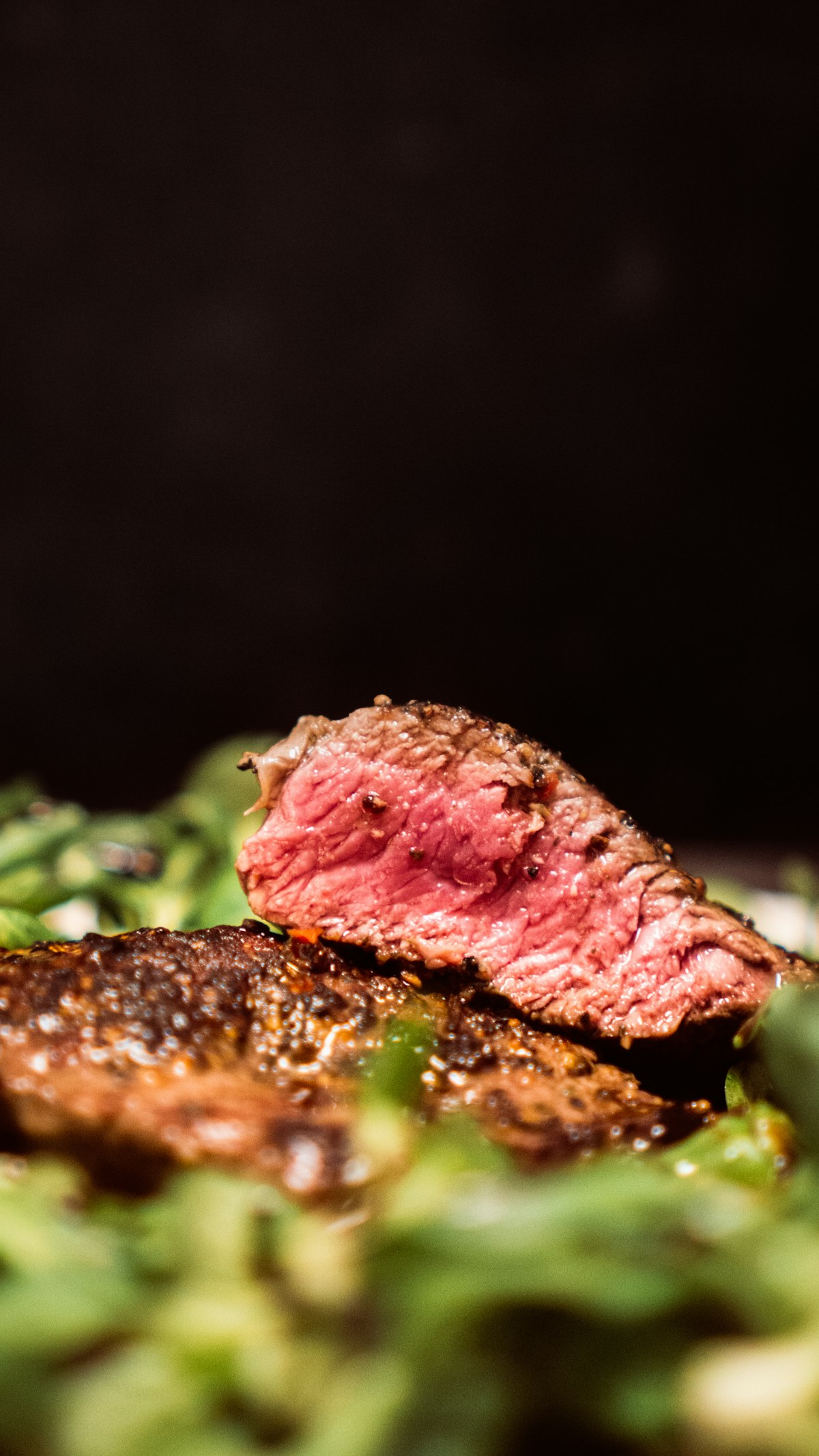
Lean Beef and IBD: Iron-Rich Protein Without Tough Cuts
Posted on August 29, 2026 · Nutrition
Content note: Educational content aligned with publicly available patient materials from the Crohn's & Colitis Foundation and other major IBD education sources. Content is used under license from the Foundation for patient education; the Foundation does not endorse IBDPal or MediVue products or services. Last reviewed August 2026. Not individual medical advice.
Educational use only. IBDPal does not provide medical advice, diagnosis, or treatment. Always consult your gastroenterologist or IBD care team for personal decisions.
Searches like beef Crohn's disease diet, red meat ulcerative colitis, and lean beef ulcerative colitis are common because patients want clear, practical answers. Tolerance with Crohn's disease or ulcerative colitis is individual. This page covers typical nutrition facts, flare versus remission ideas, and questions for your GI or dietitian. It is education only, not a prescription to eat or avoid lean beef.
Nutrition snapshot: Lean beef
Lean beef is a dense source of protein and heme iron, which is often better absorbed than plant iron. That makes it relevant for IBD anemia discussions, while tough, fatty, or processed meats are a different story.
Approximate macros (typical serving)
- Serving: 3 oz cooked lean beef (~85 g)
- Calories: ~150 to 180
- Protein: ~22 to 26 g
- Fat: ~5 to 9 g for lean cuts
- Carbohydrate: 0 g
- Iron: notable heme iron versus many poultry servings
Amounts vary by brand, cooking method, and portion. Use a label or USDA FoodData Central for exact numbers, and IBDPal food logs to compare your portion to how you felt afterward.
Micronutrients and extras people ask about
- Heme iron and zinc: Support anemia and repair nutrition goals
- B12 and B vitamins: Helpful when appetite is low
- Sodium: High in many processed beef products
Flare versus remission: how many people approach lean beef
Ground lean beef cooked soft, or tenderloin sliced thin, is usually easier than steaks with gristle, sausages, or charred barbecue. Processed meats bring sodium and additives that deserve a separate look.
During a flare (when your team wants gentler textures)
- Choose 90%+ lean ground beef; cook thoroughly and drain fat; crumble finely
- Serve with white rice or peeled potato
- Avoid sausages, jerky, and tough steaks during flares or strictures
- Keep spices mild if heat worsens urgency
In remission (when variety is usually easier)
- Rotate beef with fish and poultry for variety
- Use beef strategically when iron food sources are a goal
- Limit ultra-processed meats even in remission for overall health
If you have strictures, recent surgery, or a short bowel history, fiber, skins, and chunky textures may need a different plan. Follow your clinician, not a generic list.
Prep ideas that often feel kinder
Slow-cook or simmer ground beef in broth-based dishes until soft. Slice whole-muscle cuts thin against the grain. Food safety: cook ground beef to a safe temperature.
Common myths about lean beef and IBD
- Red meat causes Crohn's. IBD causes are complex; plain lean beef is not a proven universal trigger.
- You must go fully vegetarian for colitis. Many patients include lean meats under dietitian guidance.
- Any burger is the same as lean beef. Fat level, bun toppings, and processing change the meal a lot.
How to track lean beef with IBDPal
Log the form (brand, brew strength, smooth vs crunchy, cooked texture), portion size, and symptoms for 24 to 48 hours. Patterns beat memory at clinic visits. See tracking food and symptoms.
Questions for your gastroenterologist or dietitian
- Can lean beef help my iron-deficiency plan alongside therapy?
- Which cuts are safest with my stricture history?
- How often should red meat appear in my weekly menu?
Bring your food log and recent labs so advice matches disease location, medicines, and nutrition gaps.
When food questions become urgent
Contact your care team promptly for severe pain, vomiting, inability to keep fluids down, heavy bleeding, fever, or rapid weight loss. See flare help and when to go to the ER.
Related reading: iron deficiency nutrition · anemia overview · zinc. Hub: IBD nutrition.
Photos: Unsplash License (free use).
Medical Disclaimer
This article is for educational purposes only and should not replace professional medical advice, diagnosis, or treatment. Always consult your healthcare provider regarding dietary, medication, or lifestyle decisions.
Was this article helpful?