
Zinc and IBD: Immunity, Wound Healing, and Food Sources
Posted on August 26, 2026 · Nutrition
Content note: Educational content aligned with publicly available patient materials from the Crohn's & Colitis Foundation and other major IBD education sources. Content is used under license from the Foundation for patient education; the Foundation does not endorse IBDPal or MediVue products or services. Last reviewed August 2026. Not individual medical advice.
Educational use only. IBDPal does not provide medical advice, diagnosis, or treatment. Always consult your gastroenterologist or IBD care team for personal decisions.
Searches like zinc deficiency Crohn's, zinc ulcerative colitis, and zinc ulcerative colitis spike when labs come back low or fatigue will not quit. This page explains what zinc does, why IBD raises risk, gentler food sources, and questions for your GI or dietitian. It is education only, not a dose or supplement prescription.
What Zinc does in the body
Zinc is a trace mineral used in hundreds of enzymes. Patients search it after hair changes, poor wound healing, taste changes, or when diarrhea has been relentless.
- Supports immune function and skin/mucosal repair
- Helps with taste and smell in everyday nutrition
- Participates in protein synthesis and cell division
Why zinc gaps are common in Crohn's and colitis
- Chronic diarrhea increases zinc losses in stool
- Small bowel Crohn's disease and resections can reduce absorption
- Low meat intake or strict plant-only patterns without planning can lower intake
- High-dose iron or calcium supplements can compete with zinc absorption when timed poorly
Zinc deficiency can look like ongoing fatigue, skin issues, or slow healing, but those symptoms have many causes. Labs and clinical context matter more than buying the largest zinc bottle online.
Food sources that often fit IBD eating
Animal proteins are efficient zinc sources. Plant sources help when portions and preparation are planned.
Gentler options many people use during flares
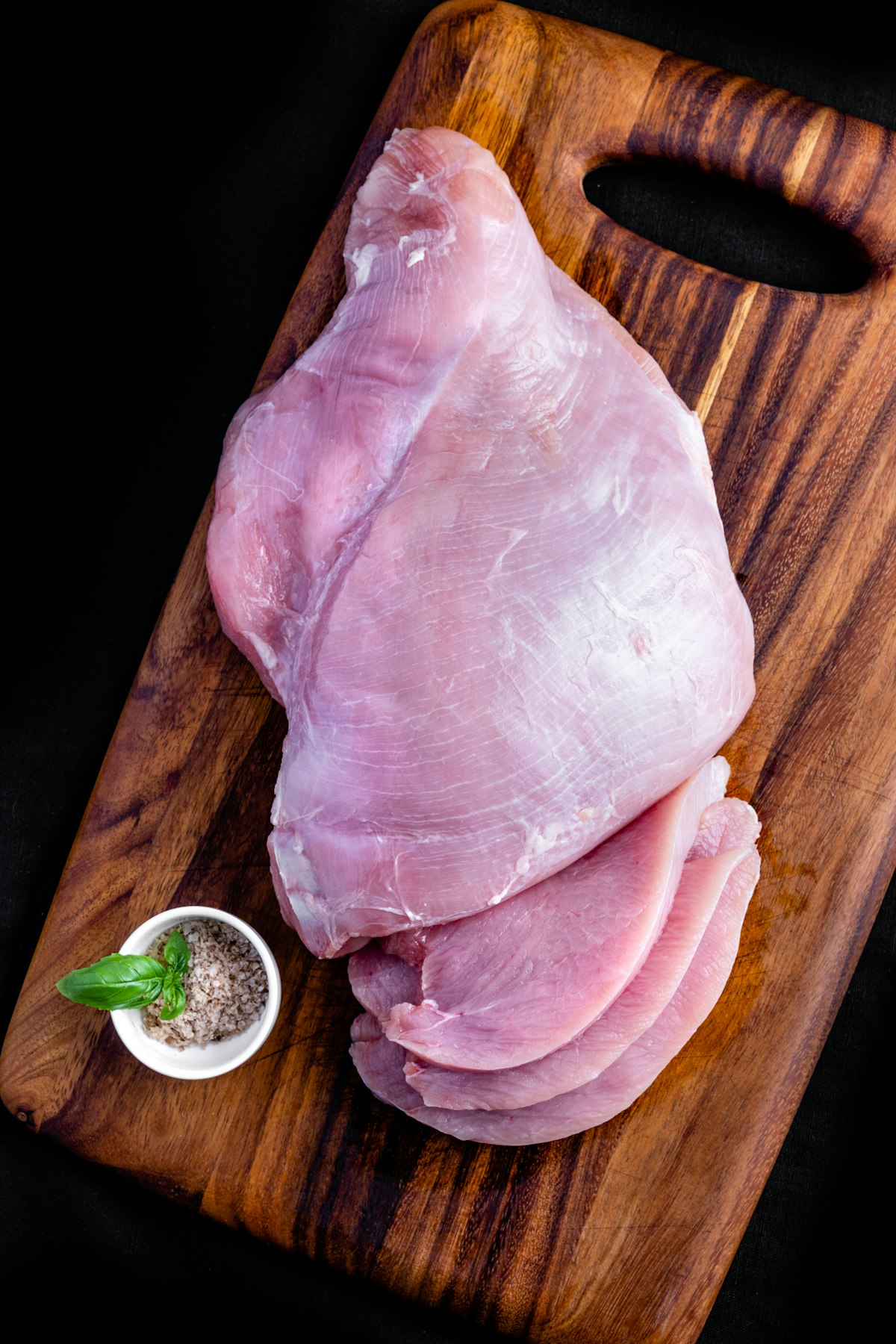
- Tender chicken, turkey, or eggs
- Soft fish if tolerated
- Smooth nut butters in small amounts if approved
- Fortified cereals that are low residue if your plan allows
Wider options when remission allows more variety
- Beef or other meats if tolerated and desired
- Pumpkin seeds or legumes when fiber is okay
- Dairy foods if lactose is managed
- Shellfish for some people when food safety and tolerance allow
Food first is the usual starting point. Supplements belong under clinician guidance, especially if you have kidney disease, take interacting medicines, or already use a multivitamin.
Supplements and safety notes
High-dose zinc for weeks can lower copper and upset the stomach. Lozenge and mega-dose trends are not IBD treatment protocols. Use team-directed doses based on labs when deficiency is confirmed or strongly suspected.
Labs and monitoring people ask about
- Plasma zinc can be influenced by inflammation and albumin; interpret with your clinician
- Watch copper if you take prolonged high-dose zinc
- Reassess after diarrhea improves or diet expands
Log meals and symptoms in IBDPal so your team can connect intake patterns with labs. See how IBDPal sets nutrition targets and food symptom tracking.
Common myths about zinc and IBD
- Zinc supplements stop Crohn's flares. Zinc supports nutrition; it does not replace anti-inflammatory therapy.
- More zinc is always better. Excess can cause nausea and copper deficiency.
- Plant foods never provide zinc. They can, but absorption is often lower than from meat.
Questions for your gastroenterologist or dietitian
- Should we check zinc after prolonged diarrhea or resection?
- How should I time zinc apart from iron pills if both are prescribed?
- What food-first plan raises zinc without upsetting my gut?
When to call sooner
Seek prompt care for severe weakness, irregular heartbeat symptoms, fainting, inability to keep fluids down, heavy bleeding, or fever with rapid decline. Nutrient articles cannot diagnose emergencies. See flare help and when to go to the ER.
Related reading: micronutrient overview · chicken protein · eggs and IBD. Overview: micronutrient deficiencies in IBD. Hub: IBD nutrition.
Photos: Unsplash License (free use).
Medical Disclaimer
This article is for educational purposes only and should not replace professional medical advice, diagnosis, or treatment. Always consult your healthcare provider regarding dietary, medication, or lifestyle decisions.
Was this article helpful?