
Building an IBD Flare Go-Bag for School, Work, and Travel
Posted on June 18, 2026 · Family
Content note: Educational content aligned with publicly available patient materials from the Crohn's & Colitis Foundation and other major IBD education sources. Content is used under license from the Foundation for patient education; the Foundation does not endorse IBDPal or MediVue products or services. Last reviewed August 2026. Not individual medical advice.
Educational use only. IBDPal does not provide medical advice, diagnosis, or treatment. Always consult your gastroenterologist or IBD care team for personal decisions.
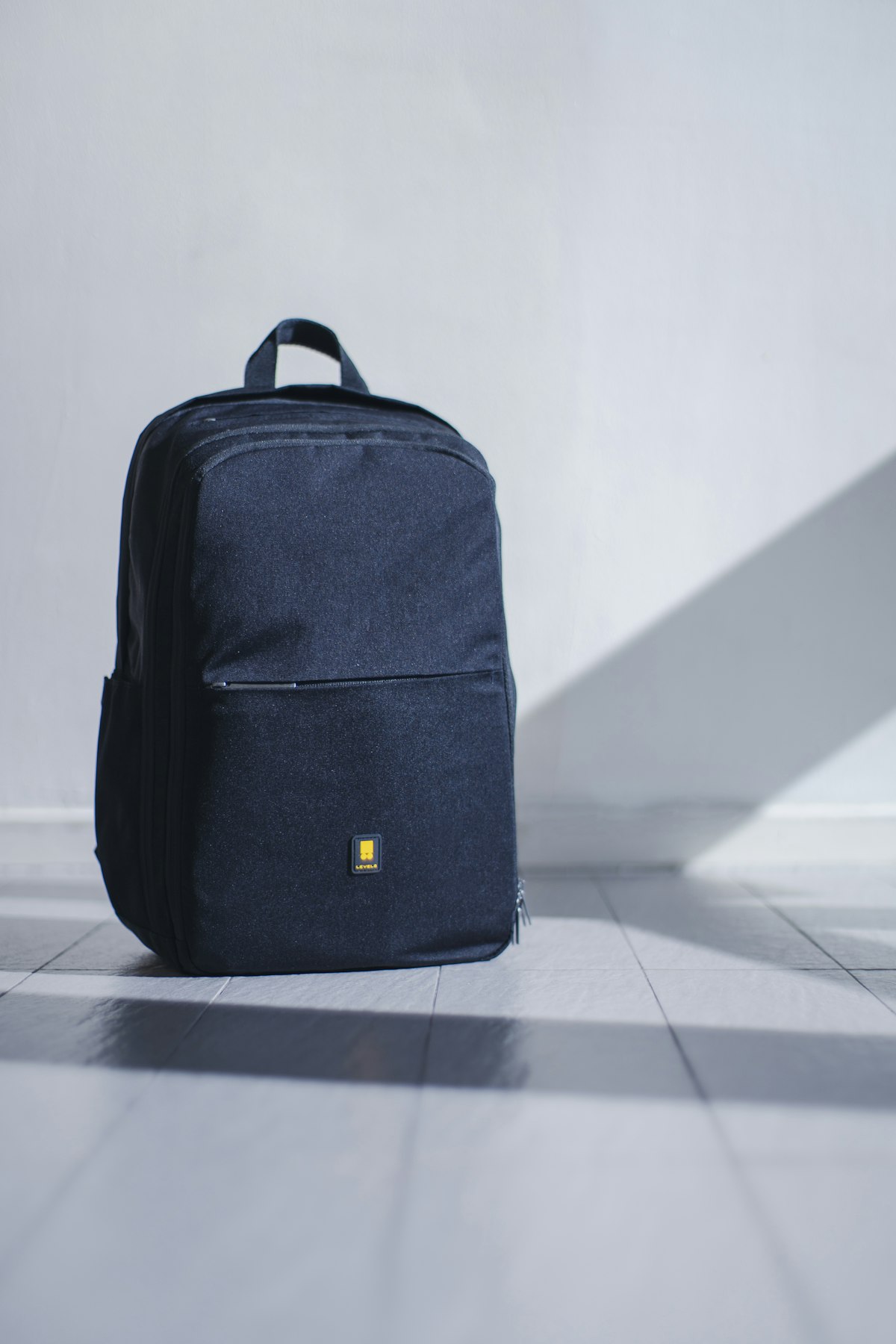
A small go-bag reduces panic when urgency hits at school, on a commute, or during a family outing. Contents differ by age and activity, but the goal is the same: dignity, comfort, and quick access to what you need while you get to a safe restroom.
Basics many people include
- Travel pack of wipes and spare underwear
- Small plastic bags for discreet disposal
- Hand sanitizer and a gentle barrier cream if your team recommends it
- Panty liners or pads as needed
- A card or phone note with clinician name and after-hours number
For school and teens
Keep a duplicate bag in the nurse's office if your 504 plan allows. Practice opening the bag quickly so there is no fumbling in a hallway. Older teens may prefer a slim pouch in a backpack pocket rather than a full kit.
Families can also ask whether unrestricted bathroom access, water bottle access, and permission to carry supplies should be written into the plan. A private conversation with the school nurse often prevents stressful explanations later.
For work and commuting
Adults may want one kit in a desk drawer and one in the car or everyday bag. Add a change of clothes that fits the setting, a stain-removal wipe, and a backup route with known restrooms. If your job involves field work, ask your care team whether a short accommodation letter would help.
For travel
Add shelf-stable snacks that usually agree with you, a water bottle, and any as-needed medications your prescriber has approved for travel. Airport security may require labeled prescriptions; check current guidelines before flying. Keep essential supplies in your carry-on, not checked luggage.
Medication and safety details
Do not add over-the-counter anti-diarrheal or pain medicines to a kit unless your clinician says they are safe for you. Some symptoms require medical evaluation rather than self-treatment.
Emotional supplies count too
Headphones, a calming playlist, breathing prompts, or a short note from a parent can help after a hard moment. Flares are physical and emotional. A go-bag should make life feel possible, not make you feel fragile.
Refresh the bag monthly
Check expiration dates, replace used items, and adjust for season changes. Summer may call for electrolyte packets; school months may call for a second pouch near the nurse's office.
Core supplies for urgency
Wipes, spare underwear, disposable bags, and hand sanitizer belong in every go-bag.
Small air freshener spray is optional for dignity, not shame.
Plastic bags seal soiled clothes until laundry.
Medical and comfort items
Copy of medication list, clinic phone number, and insurance card.
Pain relief allowed by your clinician, antidiarrheals if prescribed, not improvised.
Snacks and water stabilize blood sugar during long waits.
School, work, and travel versions
Locker and desk drawers hold slim kits without broadcasting diagnosis.
Car trunks store larger kits for commuters.
Airport kits follow TSA liquid rules for meds.
Ostomy additions
Precut barriers, pouches, paste, and scissors in waterproof pouches.
Change of clothes with loose waistbands.
Ostomy nurse contact for supply emergencies.
Common questions
How often refresh go-bags?
Monthly expiry checks on snacks and meds.
Should kids carry go-bags?
Yes with school nurse backup copies.
Can go-bags be stylish?
Any discreet bag works. Function beats fashion.
Restock after every use immediately.
Label bag with initials not medical diagnosis externally.
Bring a written symptom and medication list to each gastroenterology visit so limited appointment time is used well.
Patient education supports shared decision making; it does not replace individual medical assessment by your IBD team.
Track patterns over one to two weeks before clinic visits because single-day snapshots can mislead both you and your clinician.
Tell your team about travel, work stress, sleep changes, and menstrual cycle timing when symptoms shift unexpectedly.
Medication adherence and follow-up labs are as important as diet changes for many people living with Crohn's disease or ulcerative colitis.
Discuss how this topic applies to your current disease activity with your gastroenterologist rather than relying on general online advice alone.
Related: first 48 hours of a flare, flare supplies guide, summer travel with IBD, living with IBD as a family.


Photos: Unsplash License (free use).
Medical Disclaimer
This article is for educational purposes only and should not replace professional medical advice, diagnosis, or treatment. Always consult your healthcare provider regarding dietary, medication, or lifestyle decisions.
Was this article helpful?