
IBD and Colorectal Cancer Risk: Surveillance Education Without Fear
Posted on October 11, 2026 · Wellness
Content note: Educational content aligned with publicly available patient materials from the Crohn's & Colitis Foundation and other major IBD education sources. Content is used under license from the Foundation for patient education; the Foundation does not endorse IBDPal or MediVue products or services. Last reviewed August 2026. Not individual medical advice.
Educational use only. IBDPal does not provide medical advice, diagnosis, or treatment. Always consult your gastroenterologist or IBD care team for personal decisions.
Long standing ulcerative colitis and Crohn's colitis carry higher colorectal cancer risk than the general population for many patients. Surveillance colonoscopy finds precancerous change early when treatment options are broader. This page explains dysplasia in plain words, why timing is personalized, and how to prepare without fear mongering. Read with colonoscopy surveillance guide. Not your personal screening calendar. Education only.
Why clinicians discuss cancer risk in IBD
Chronic intestinal inflammation can alter lining cells over years. Surveillance aims to catch dysplasia or early cancer when endoscopic treatment or surgery is more manageable.
Modern biologic control may lower risk compared with historical cohorts, yet many patients with extensive colitis still need structured scopes.
Understanding risk helps you keep appointments even when bowel habits feel fine.
Risk numbers are population level; your chart may differ based on duration and inflammation history.
Dysplasia explained without lecture tone
Dysplasia means abnormal appearing cells on biopsy, graded low or high by pathologists.
Not all dysplasia equals cancer today, yet it triggers closer follow up or removal plans.
Endoscopic resection can clear some lesions without immediate colectomy.
Always ask for copies of pathology reports when transferring care.
Surveillance scopes versus symptom scopes
Surveillance happens on a schedule even when you feel well, using careful inspection techniques at specialty centers when available.
Symptom scopes investigate bleeding or flare suspicion and may not reset the surveillance clock automatically.
Bring prior interval dates to new gastroenterologists to avoid accidental gaps.
Write the next due date on your calendar the day you wake from sedation.
Factors that change interval length
Disease duration, extent, prior dysplasia, primary sclerosing cholangitis, family history, and past inflammation severity influence timing.
Only your GI should map years between scopes to your history.
Primary sclerosing cholangitis adds layers; see PSC and IBD for parallel reading.
Pediatric onset patients may reach long duration earlier than they feel old.
Chromoendoscopy and advanced inspection
Some centers use dye spray techniques highlighting flat lesions. Ask whether your referral hospital offers advanced inspection.
Flat dysplasia is why good prep matters beyond convenience.
If travel to a specialty center is needed, plan lodging and companion support early.
Insurance authorization letters may take weeks; start paperwork after your GI recommendation.
Prep quality and medication holds
Split dose prep improves visualization. Ask which IBD medicines continue and how to time diabetes or blood thinner holds.
Poor prep can force short interval repeats, wasting PTO and causing frustration.
Flavor choices and chilled prep cups help completion; ask nurses for tricks.
Arrange bathroom access at home during prep day without shame.
Sedation, drivers, and recovery
Plan a responsible adult driver; rideshare alone may be refused.
Resume eating slowly; post sedation bloating differs from flare pain yet deserves mention if severe.
Biopsy sites can ooze briefly; know what bleeding amount triggers a call.
Return to work timing varies; book light schedules the day after if possible.
If polyps or dysplasia are found
Endoscopic mucosal resection may remove small areas; some cases lead to colectomy discussion when risk is high.
Second opinions at IBD centers of excellence are reasonable for complex pathology.
Bring a notebook to multidisciplinary visits; vocabulary stacks quickly.
Emotional support matters; fear is normal and deserves counseling resources.
After colectomy and pouch surveillance
Patients with pouches or retained rectal cuffs may have different cancer surveillance pathways.
Surgical history changes which scopes you need; do not assume general population colon cancer screening pamphlets apply.
Ask surgeons and GI who owns which interval going forward.
Pouchitis flares do not replace cancer surveillance conversations.
Lifestyle pieces that support whole health
Treating inflammation, avoiding smoking, and keeping general age appropriate cancer screenings for other organs remain important.
Diet quality supports wellbeing but does not replace colonoscopy when surveillance is due.
Physical activity and sleep help resilience during prep weeks.
Alcohol moderation may matter for liver health when PSC coexists.
Talking with family about surveillance
Relatives may fear scopes excessively; share education links rather than horror stories.
Children of IBD patients ask if they will need lifetime scopes; pediatric teams answer separately.
Partners can help track dates and drive duties without becoming appointment police.
Workplaces may need FMLA for prep days; see work education pages if helpful.
Insurance and cost planning
Verify endoscopy benefits, facility fees, and anesthesia billing before scheduling.
Financial counselors at hospitals can estimate out of pocket costs.
Keep itemized bills for flex accounts when eligible.
Charity care programs exist at many nonprofit hospitals if costs spike.
Anxiety before scopes
Sedation fears, embarrassment, and past traumatic prep drive avoidance.
Tell anesthesia teams about prior nausea or panic; protocols adjust.
Behavioral health can rehearse coping skills before the month of prep.
Missing surveillance because of anxiety is common; ask for help early.
Questions to bring on a card
Write: last scope date, next due interval, whether chromoendoscopy is planned, prep type, and medication holds.
Ask what result would trigger shorter intervals or surgery referral.
Request portal message summaries after pathology returns.
Store PDF pathology in a cloud folder labeled surveillance.
Primary care coordination
Primary care should know your IBD surveillance schedule to avoid duplicate general screening confusion.
Share colonoscopy reports with primary care after each procedure.
Vaccines and cancer screenings for other organs continue on age based schedules.
Smoking cessation supports surveillance goals; see smoking education pages if helpful.
Transferring care between cities
Request CD copies or portal downloads of pathology before moving.
New GI needs exact prior dysplasia wording, not verbal summaries alone.
Insurance may require new referrals; start early.
Do not let moving gap surveillance unintentionally.
Advocacy if scopes are delayed
Long wait lists happen; document attempts to schedule in writing.
Ask whether temporary telehealth can triage urgency if symptoms change while waiting.
Patient navigators at hospitals sometimes expedite IBD surveillance slots.
Keep symptom logs if wait extends months.
Understanding pathology jargon
Terms like tubular adenoma versus serrated lesion matter; ask pathologist lay summaries.
Margins clear language after polypectomy guides next steps.
Keep a glossary sheet in your surveillance folder.
Medical students are allowed to ask questions; you are too.
Partners supporting prep day
Prep day needs bathroom priority and gentle foods afterward.
Partners can handle childcare or pet walks while you prep.
Clear liquids menu planning prevents accidental red dye choices.
Celebrate completion of prep as teamwork, not embarrassment.
Surveillance after dysplasia treatment
Short interval scopes after resection are common; mark them sacred on calendar.
Ask what finding would escalate to colectomy discussion.
Multidisciplinary tumor boards happen at centers for complex cases.
Emotional processing after dysplasia news deserves counseling resources.
Cost of missing surveillance
Delayed detection can mean more extensive surgery later; emotional cost also rises.
This fact is not scare tactic but motivation to keep appointments.
Transportation assistance programs exist at some hospitals.
Virtual prep classes reduce no shows for some clinics.
Young adults aging into adult GI
Transition clinics help transfer records and explain adult surveillance ownership.
College health centers are not substitutes for IBD surveillance teams.
Parents gradually step back while young adults learn scheduling skills.
Portable medical summary apps help first adult GI visits.
Building a surveillance timeline binder
Paste scope reports, pathology summaries, and next due dates on one timeline page.
Highlight any dysplasia wording in yellow for quick future reference.
Include anesthesia complications if any so future teams adjust sedation plans.
Store binder photo backup in cloud storage.
Questions about general population screening kits
Stool DNA kits marketed for general population do not replace IBD surveillance colonoscopy when your GI says scopes remain indicated.
Ask before spending on kits that might confuse care teams.
Blood based screening research evolves; clinic trials differ from online ads.
Keep general screening conversations separate from IBD surveillance plans.
Supporting a partner through surveillance anxiety
Offer rides and quiet prep day presence without minimizing fears.
Avoid sharing graphic colonoscopy horror stories from friends.
Celebrate completed scopes as health maintenance victories.
Counseling together can help when cancer worry loops at night.
Pediatric surveillance transitions
Teens should learn to spell dysplasia and know their disease duration years.
Parents gradually transfer scheduling responsibility before college.
Pediatric reports must reach adult GI offices during transfer.
Young adults on parents insurance still need their own calendar reminders.
Post scope symptom watch
Mild gas and cramping after biopsies can be normal; ask what bleeding amount is expected.
Fever after scope day triggers call rules your discharge sheet lists.
Resume driving and work per anesthesia instructions, not pride.
Log stool changes week after scope to distinguish prep effects from flares.
Advocating for equitable access
Community health centers may host IBD navigation; ask social workers.
Transportation vouchers exist at some cancer screening grant programs.
Language access interpreters should be requested before procedure consent signing.
Missing work for scopes may qualify for protected leave documentation.
Family cancer history conversations
Collect first degree relatives colon cancer ages and polyp histories for GI intake forms.
Genetic counseling referrals may apply separately from IBD surveillance.
Share updated family history when relatives receive new diagnoses.
Do not assume family silence means no history; ask gently.
Scope report storage habits
Download PDFs the same day portals release them.
Rename files with date and hospital for searchability.
Share read only links with adult children if they may drive you to procedures later.
Shred old paper copies after secure digital backup exists.
Anesthesia medication reconciliation
Bring full med list including supplements to pre procedure calls.
Biologics timing relative to scope may need GI input.
Diabetes meds adjustment instructions should be written, not verbal only.
Ask about blood thinner holds specific to your stent or clot history.
Life between surveillance scopes
Surveillance rhythm is months long; live fully between dates while keeping appointments sacred.
Exercise and nutrition still matter for cardiovascular health during those intervals.
Mental health therapy helps chronic worry about cancer statistics.
Support groups focused on surveillance anxiety exist at major centers.
Closing planning notes for your next clinic visit
Print or bookmark the sections that matched your week, cross out what did not, and bring one page of questions instead of relying on memory in a rushed appointment.
Ask for written flare and remission targets so home experiments stay aligned with scope results, calprotectin trends, and the medicine plan you already follow.
If a paragraph felt confusing, note the heading in your portal message so clinicians know exactly where you need clearer guidance rather than a vague request for help.
Small steady steps beat dramatic overhauls that collapse after three days; consistency of logging and follow up usually matters more than perfect adherence to internet lists.
Clinic script
"Based on my disease duration, extent, and history, when is my next surveillance colonoscopy due, and will you use chromoendoscopy or standard inspection? What prep and medication instructions apply?"
Questions people search
Does small bowel Crohn's need colorectal surveillance?
Colon Crohn's follows colitis like pathways; small bowel only disease uses different imaging. Personalize with your GI.
Can I skip surveillance if I feel fine?
Silent changes motivate surveillance; skipping without team agreement loses lead time.
Do biologics remove surveillance need?
Biologics control inflammation but prior years of disease still matter for intervals.
Is cancer inevitable with IBD?
No. Risk is elevated for many with long colitis, yet most patients never develop colorectal cancer.
Surveillance is a planning tool, not a punishment. Keeping dates protects future you.
Related: Surveillance guide · Colonoscopy prep tips · PSC and IBD · Flare help · resource library.
Education supports shared decisions with your gastroenterologist, surgeon, dietitian, or employer team. It does not replace emergency care. Seek help for severe pain, heavy bleeding, fever, vomiting that will not stop, fainting, or a sudden abdominal change unlike your usual IBD pattern.
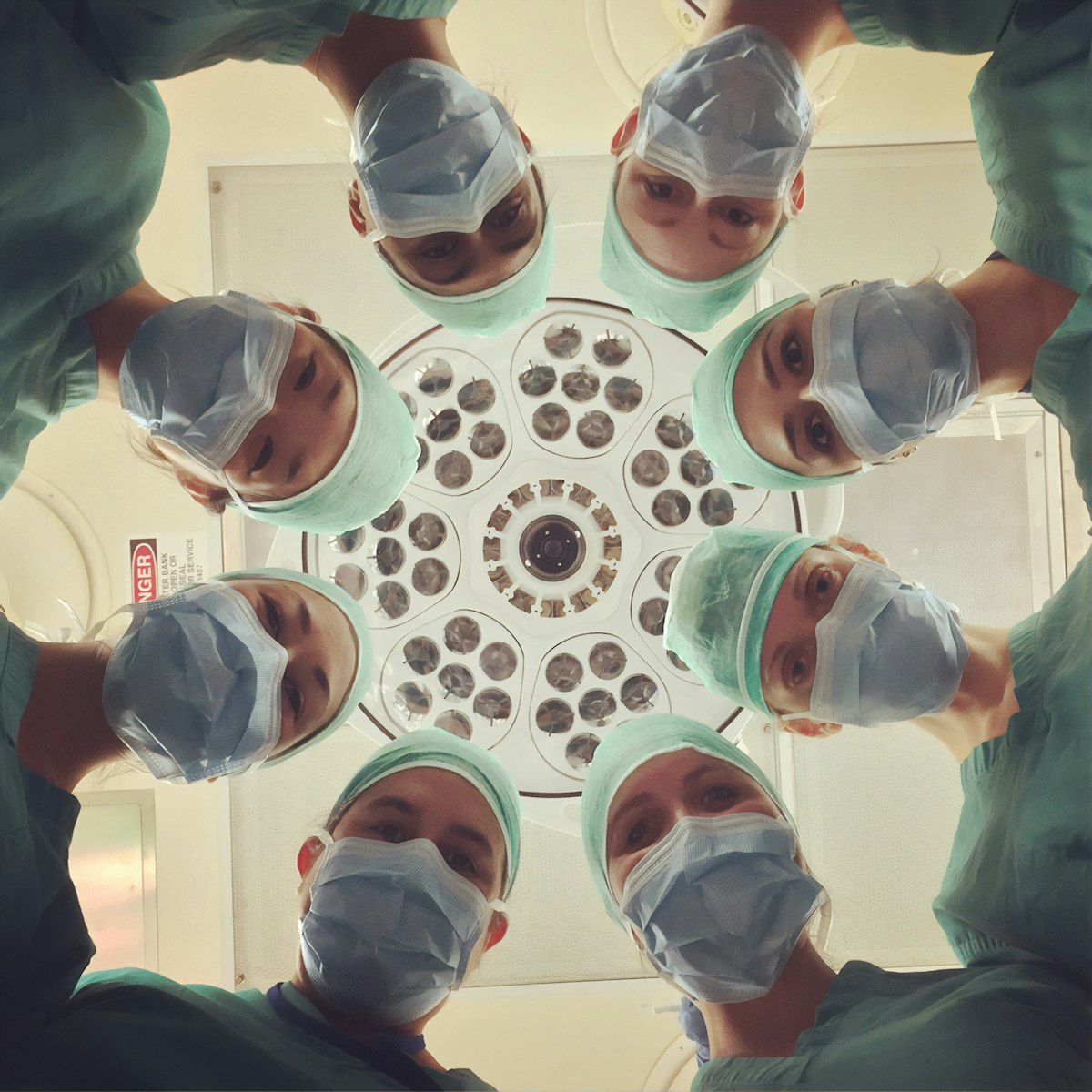
Photos: Unsplash License (free use).
Medical Disclaimer
This article is for educational purposes only and should not replace professional medical advice, diagnosis, or treatment. Always consult your healthcare provider regarding dietary, medication, or lifestyle decisions.
Was this article helpful?