
How Nutrition Impacts Gut Health in IBD
Posted on May 19, 2026 · Nutrition & Research
Content note: Educational content aligned with publicly available patient materials from the Crohn's & Colitis Foundation and other major IBD education sources. Content is used under license from the Foundation for patient education; the Foundation does not endorse IBDPal or MediVue products or services. Last reviewed August 2026. Not individual medical advice.
Educational use only. IBDPal does not provide medical advice, diagnosis, or treatment. Always consult your gastroenterologist or IBD care team for personal decisions.
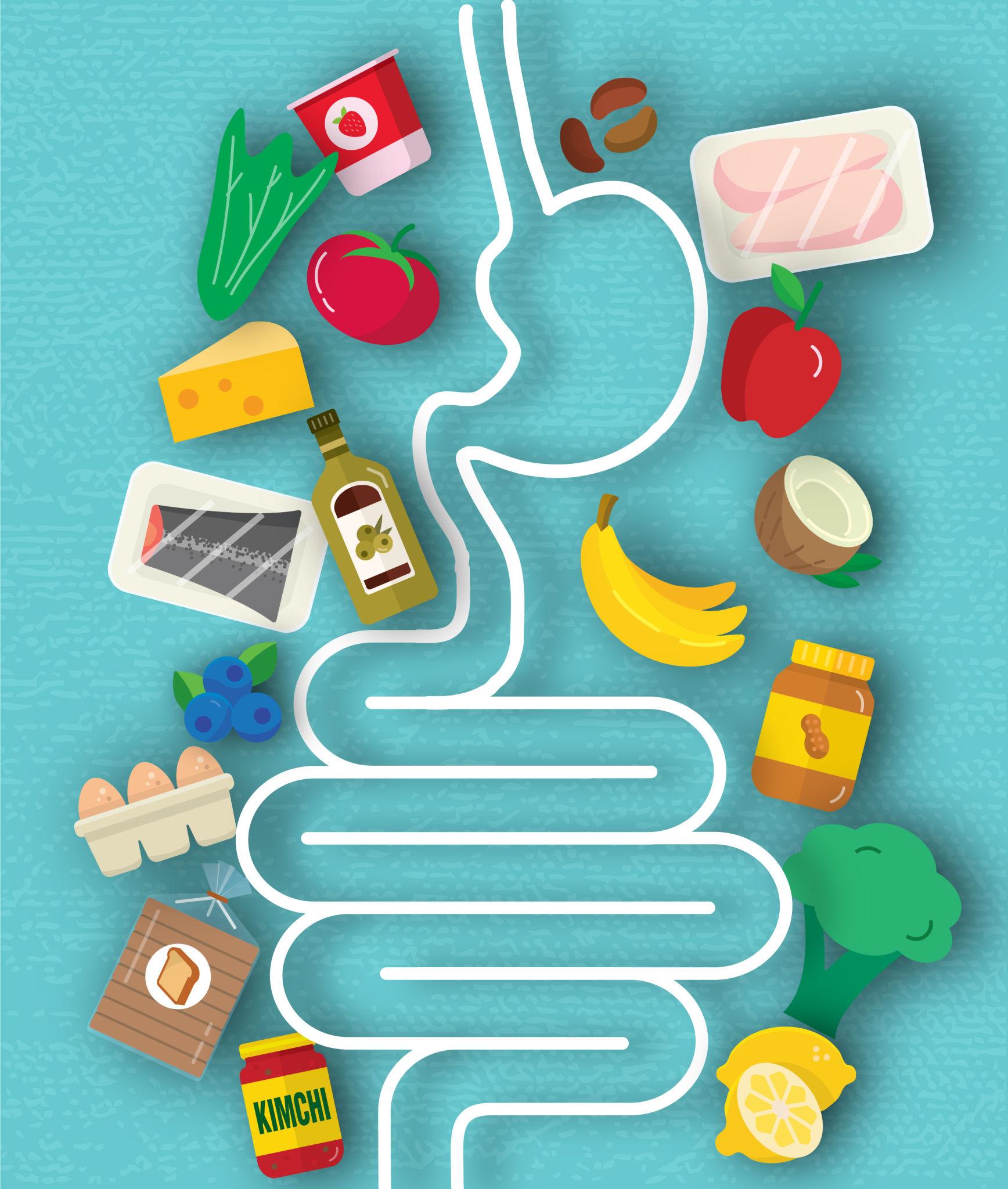
The Gut Microbiome and Inflammation
The gut microbiome refers to the trillions of microorganisms living inside the digestive tract. Research continues to show that the microbiome plays an important role in digestion, immune regulation, and inflammation.
In Crohn's disease and ulcerative colitis, changes in the gut microbiome may contribute to chronic inflammation and immune dysregulation.
Scientists are actively studying:
- microbial diversity
- dietary patterns
- probiotics
- prebiotics
- fiber intake
- inflammatory pathways
and how they may influence IBD symptoms.
Foods Associated With Gut Health
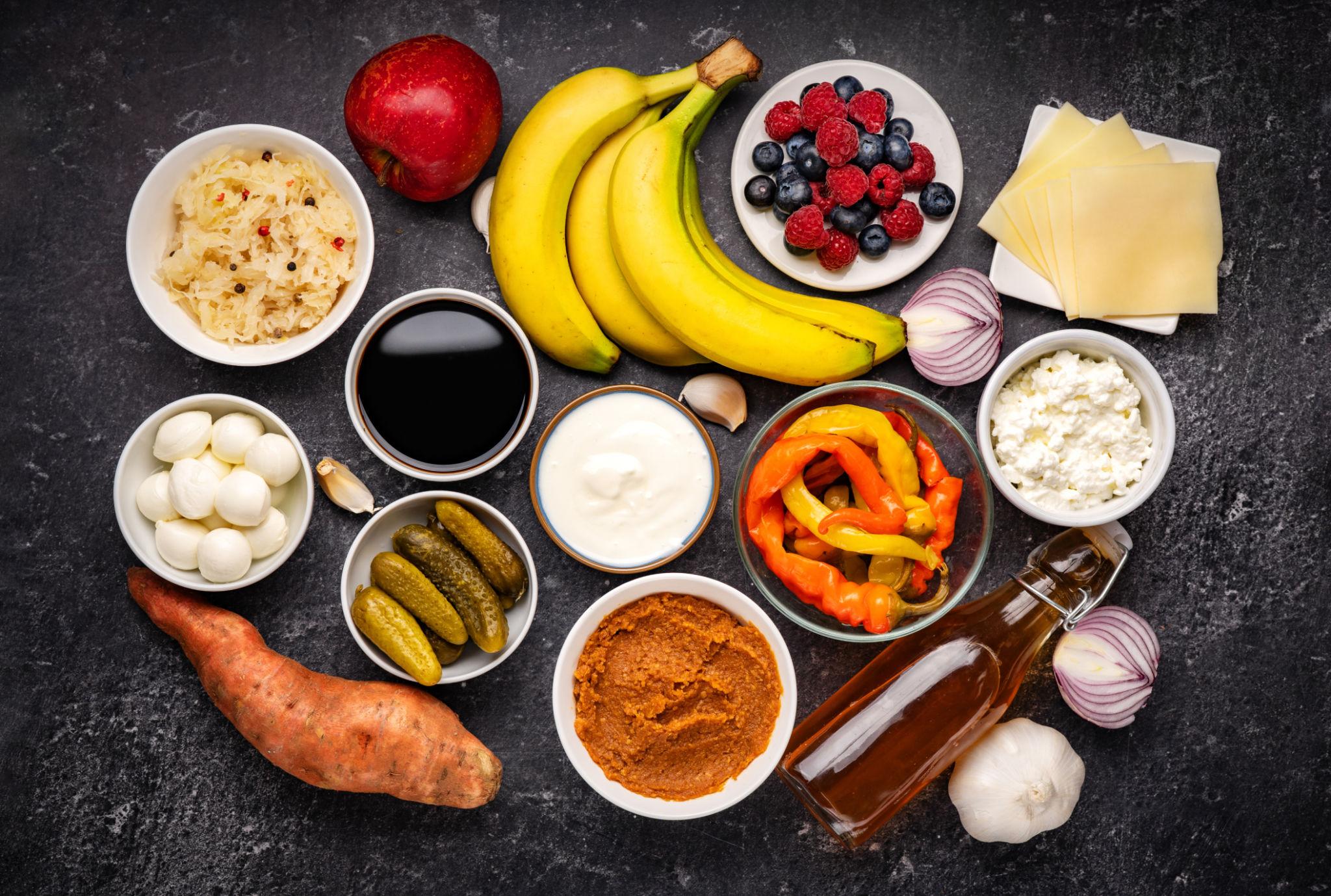
Although there is no universal IBD diet, some foods are commonly associated with supporting overall gut health during remission.
These may include:
- yogurt with live cultures
- oats
- bananas
- cooked vegetables
- salmon
- olive oil
- fermented foods when tolerated
Tolerance varies greatly among individuals.
The Role of Anti-Inflammatory Nutrition
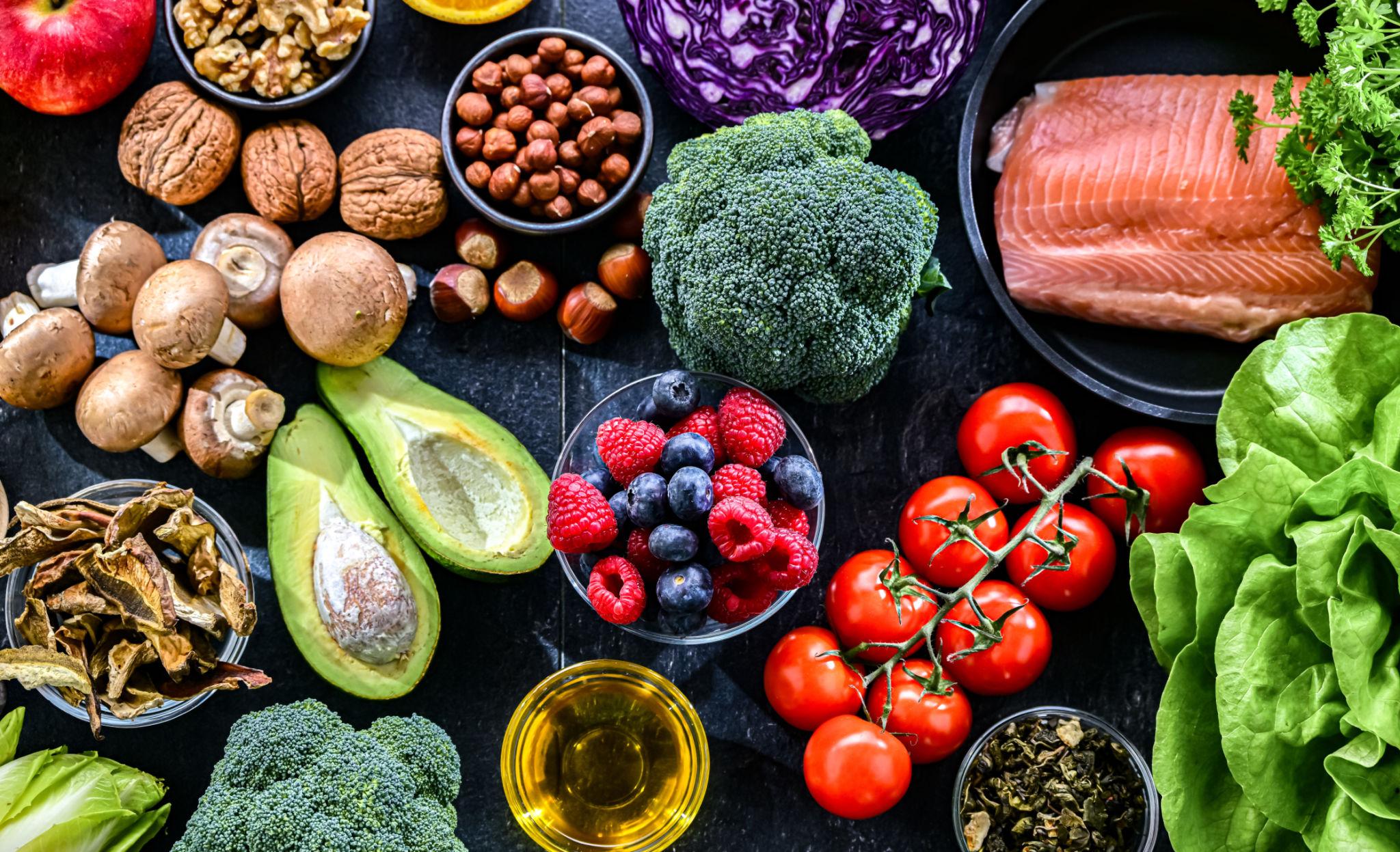
Some research suggests that diets emphasizing minimally processed foods and healthy fats may support overall health and reduce inflammatory burden.
Examples include:
- omega-3 fatty acids
- fruits and vegetables
- lean proteins
- adequate hydration
However, dietary changes should always be personalized.
Looking Toward Personalized Nutrition
The future of IBD care may involve increasingly personalized approaches using symptom tracking, biomarkers, microbiome analysis, and AI-driven health insights.
Technology platforms like IBDPal aim to help users better understand their symptom patterns, nutrition habits, and daily health trends in one place.
Nutrition as partner to medical therapy
Food does not replace biologics or immunomodulators, but adequate intake supports healing, energy, and immune function.
Malnutrition worsens surgical risk and slows recovery from flares.
Diet patterns shift with disease activity under clinician guidance.
Macronutrients that matter
Protein needs rise during inflammation and recovery. Spread intake across the day.
Carbohydrates provide energy; choose tolerable sources from rice, oats, or potatoes during flares.
Healthy fats aid calories when weight is low, unless fat malabsorption is present.
Micronutrients and the microbiome
Iron, B12, vitamin D, and zinc deficiencies are common and treatable.
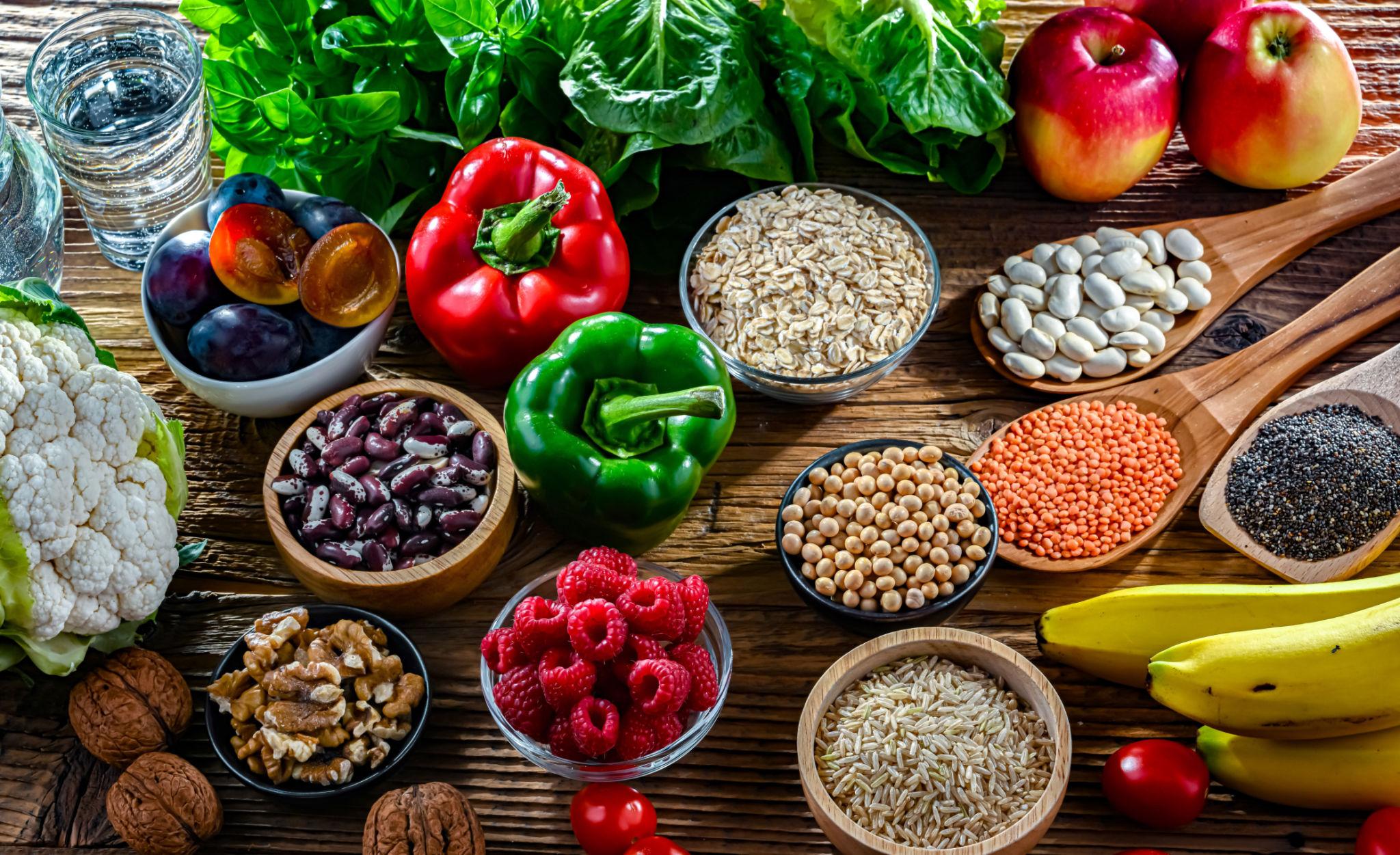
Fiber diversity in remission feeds beneficial bacteria when approved.
Probiotics are selective tools, not universal fixes.
Working with professionals
IBD dietitians interpret labs, symptoms, and cultural foods together.
Food logs make visits efficient.
Enteral nutrition remains a medical therapy for some Crohn's patients.
Common questions
Can diet induce remission alone?
Exclusive enteral nutrition can induce remission in selected Crohn's cases under supervision. Most plans combine nutrition with medical care.
Should everyone avoid gluten?
Only if celiac is diagnosed or clinician-directed trials show clear benefit.
Does sugar cause IBD?
No single food causes IBD. Excess sugar may worsen symptoms for some individuals.
Batch-cook gentle soups weekly to support consistent intake.
Ask about nutrition labs at least yearly in chronic IBD.
Bring a written symptom and medication list to each gastroenterology visit so limited appointment time is used well.
Patient education supports shared decision making; it does not replace individual medical assessment by your IBD team.
Track patterns over one to two weeks before clinic visits because single-day snapshots can mislead both you and your clinician.
Tell your team about travel, work stress, sleep changes, and menstrual cycle timing when symptoms shift unexpectedly.
Medication adherence and follow-up labs are as important as diet changes for many people living with Crohn's disease or ulcerative colitis.
Discuss how this topic applies to your current disease activity with your gastroenterologist rather than relying on general online advice alone.
Second opinions are reasonable when plans feel unclear or symptoms persist despite treatment you are already following.
Nutrition as partner to medical therapy
Food does not replace biologics or immunomodulators, but adequate intake supports healing, energy, and immune function.
Malnutrition worsens surgical risk and slows recovery from flares.
Diet patterns shift with disease activity under clinician guidance.
Macronutrients that matter
Protein needs rise during inflammation and recovery. Spread intake across the day.
Carbohydrates provide energy; choose tolerable sources from rice, oats, or potatoes during flares.
Healthy fats aid calories when weight is low, unless fat malabsorption is present.
Micronutrients and the microbiome
Iron, B12, vitamin D, and zinc deficiencies are common and treatable.
Fiber diversity in remission feeds beneficial bacteria when approved.
Probiotics are selective tools, not universal fixes.
Working with professionals
IBD dietitians interpret labs, symptoms, and cultural foods together.
Food logs make visits efficient.
Enteral nutrition remains a medical therapy for some Crohn's patients.
Common questions
Can diet induce remission alone?
Exclusive enteral nutrition can induce remission in selected Crohn's cases under supervision. Most plans combine nutrition with medical care.
Should everyone avoid gluten?
Only if celiac is diagnosed or clinician-directed trials show clear benefit.
Does sugar cause IBD?
No single food causes IBD. Excess sugar may worsen symptoms for some individuals.
Batch-cook gentle soups weekly to support consistent intake.
Ask about nutrition labs at least yearly in chronic IBD.
Bring a written symptom and medication list to each gastroenterology visit so limited appointment time is used well.
Patient education supports shared decision making; it does not replace individual medical assessment by your IBD team.
Track patterns over one to two weeks before clinic visits because single-day snapshots can mislead both you and your clinician.
Tell your team about travel, work stress, sleep changes, and menstrual cycle timing when symptoms shift unexpectedly.
Medication adherence and follow-up labs are as important as diet changes for many people living with Crohn's disease or ulcerative colitis.
Discuss how this topic applies to your current disease activity with your gastroenterologist rather than relying on general online advice alone.
Second opinions are reasonable when plans feel unclear or symptoms persist despite treatment you are already following.
Medical Disclaimer
This article is for educational purposes only and should not replace professional medical advice, diagnosis, or treatment. Always consult your healthcare provider regarding dietary, medication, or lifestyle decisions.
Was this article helpful?