Coffee and IBD: Caffeine, Urgency, and When to Cut Back
Posted on August 29, 2026 · Nutrition
Content note: Educational content aligned with publicly available patient materials from the Crohn's & Colitis Foundation and other major IBD education sources. Content is used under license from the Foundation for patient education; the Foundation does not endorse IBDPal or MediVue products or services. Last reviewed August 2026. Not individual medical advice.
Educational use only. IBDPal does not provide medical advice, diagnosis, or treatment. Always consult your gastroenterologist or IBD care team for personal decisions.
Searches like coffee Crohn's disease, coffee ulcerative colitis caffeine, and coffee ulcerative colitis are common because patients want clear, practical answers. Tolerance with Crohn's disease or ulcerative colitis is individual. This page covers typical nutrition facts, flare versus remission ideas, and questions for your GI or dietitian. It is education only, not a prescription to eat or avoid coffee.
Nutrition snapshot: Coffee
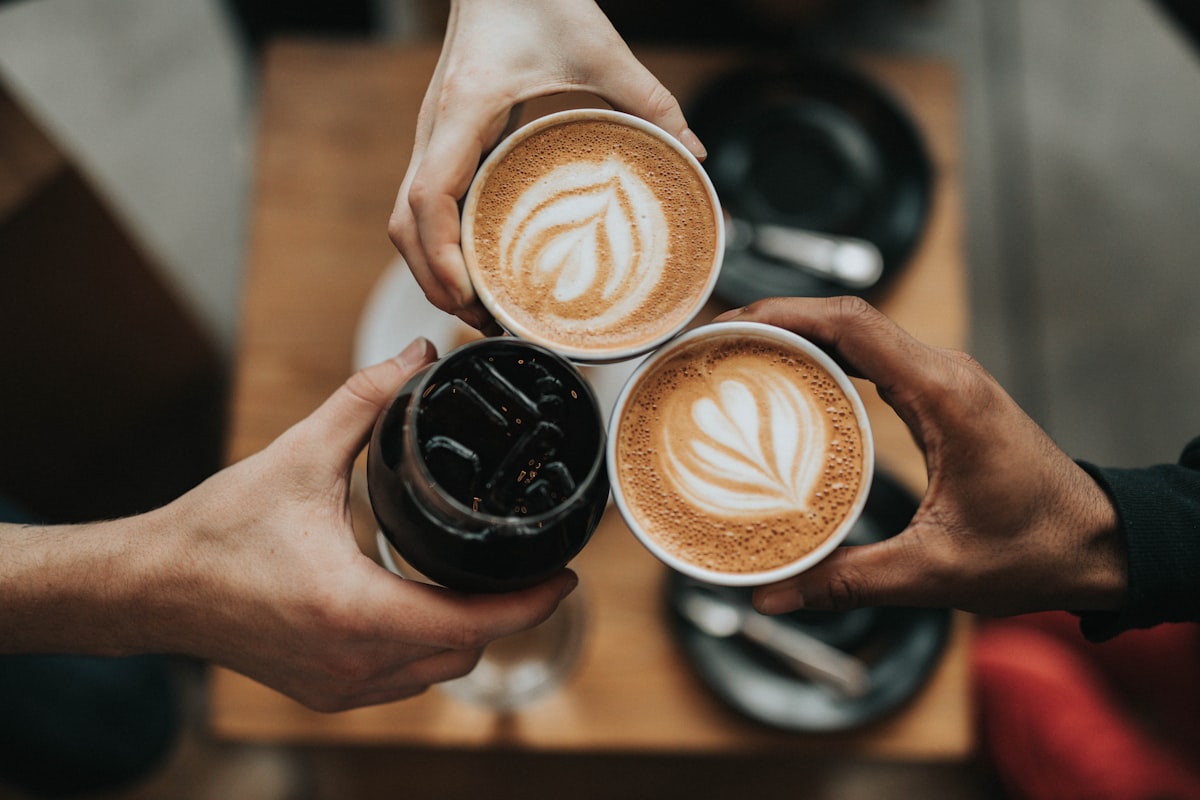
Coffee itself has almost no macros, but caffeine and organic acids can stimulate the gut and increase urgency for some people. It is one of the most searched lifestyle questions in IBD, alongside bathroom timing for work and school.
Approximate macros (typical serving)
- Serving: 8 oz black coffee
- Calories: ~2
- Carbohydrate / Protein / Fat: negligible black
- Caffeine: ~80 to 100 mg typical cup (varies)
- Add-ins: cream, sugar, and syrups change macros a lot
Amounts vary by brand, cooking method, and portion. Use a label or USDA FoodData Central for exact numbers, and IBDPal food logs to compare your portion to how you felt afterward.
Micronutrients and extras people ask about
- Polyphenols: Present in coffee; not an IBD therapy
- Potassium: Small amount
- Milk add-ins: Can add calcium if dairy is tolerated
Flare versus remission: how many people approach coffee
Some patients drink coffee daily in remission with no issue. Others notice looser stools within an hour of a strong cup. Empty-stomach espresso hits differently than coffee with breakfast.
During a flare (when your team wants gentler textures)
- Consider pausing or switching to half-caf / decaf during high urgency weeks
- Never use coffee as a substitute for fluids when dehydrated
- Skip large cold-brew concentrates if caffeine spikes symptoms
- If you continue, pair with food and sip smaller amounts
In remission (when variety is usually easier)
- Find your threshold: one small cup may be fine when three are not
- Trial lower-acid or cold brew styles if acidity bothers you
- Watch sugar-alcohol syrups in coffee shop drinks
If you have strictures, recent surgery, or a short bowel history, fiber, skins, and chunky textures may need a different plan. Follow your clinician, not a generic list.
Prep ideas that often feel kinder
Brew milder and shorter if you are testing tolerance. Decaf still has some caffeine. Keep a bathroom plan for commute days if coffee is non-negotiable for alertness.
Common myths about coffee and IBD
- Coffee causes Crohn's disease. Coffee does not cause IBD; it may affect symptoms for some.
- Decaf is identical to water for the gut. Decaf can still have acids and small caffeine amounts.
- Everyone with colitis must quit coffee forever. Many people return to modest amounts in remission.
How to track coffee with IBDPal
Log the form (brand, brew strength, smooth vs crunchy, cooked texture), portion size, and symptoms for 24 to 48 hours. Patterns beat memory at clinic visits. See tracking food and symptoms.
Questions for your gastroenterologist or dietitian
- Should I pause caffeine while calprotectin or symptoms are elevated?
- How does coffee interact with my dehydration risk?
- Is tea or decaf a better bridge for me?
Bring your food log and recent labs so advice matches disease location, medicines, and nutrition gaps.
When food questions become urgent
Contact your care team promptly for severe pain, vomiting, inability to keep fluids down, heavy bleeding, fever, or rapid weight loss. See flare help and when to go to the ER.
Related reading: alcohol and caffeine overview · tea and IBD · hydration tips. Hub: IBD nutrition.
Photos: Unsplash License (free use).
Medical Disclaimer
This article is for educational purposes only and should not replace professional medical advice, diagnosis, or treatment. Always consult your healthcare provider regarding dietary, medication, or lifestyle decisions.
Was this article helpful?