
Vitamin A and IBD: Vision, Night Blindness Concerns, and Food Sources
Posted on August 28, 2026 · Nutrition
Content note: Educational content aligned with publicly available patient materials from the Crohn's & Colitis Foundation and other major IBD education sources. Content is used under license from the Foundation for patient education; the Foundation does not endorse IBDPal or MediVue products or services. Last reviewed August 2026. Not individual medical advice.
Educational use only. IBDPal does not provide medical advice, diagnosis, or treatment. Always consult your gastroenterologist or IBD care team for personal decisions.
Searches like vitamin A Crohn's disease, vitamin A deficiency colitis, and vitamin a ulcerative colitis spike when labs come back low or fatigue will not quit. This page explains what vitamin a does, why IBD raises risk, gentler food sources, and questions for your GI or dietitian. It is education only, not a dose or supplement prescription.
What Vitamin A does in the body
Vitamin A supports vision, immune barriers, and epithelial health. It is fat-soluble, so fat malabsorption, short bowel, or very low-fat diets can raise deficiency risk, while mega-dose supplements raise toxicity risk.
- Supports night vision and corneal health
- Helps maintain mucosal barriers
- Participates in immune cell function
Why vitamin a gaps are common in Crohn's and colitis
- Fat malabsorption after ileal disease, resection, or cholestyramine use
- Very restricted diets lacking orange vegetables and fortified foods
- Zinc deficiency can impair vitamin A use (they interact)
- Hospital or exclusive liquid diets without complete micronutrient coverage in rare cases
Preformed vitamin A (retinol) in high supplemental doses can be toxic and is especially concerning in pregnancy. Beta-carotene from food is a safer everyday route for many people, but still discuss prenatal needs with obstetrics and GI.
Food sources that often fit IBD eating
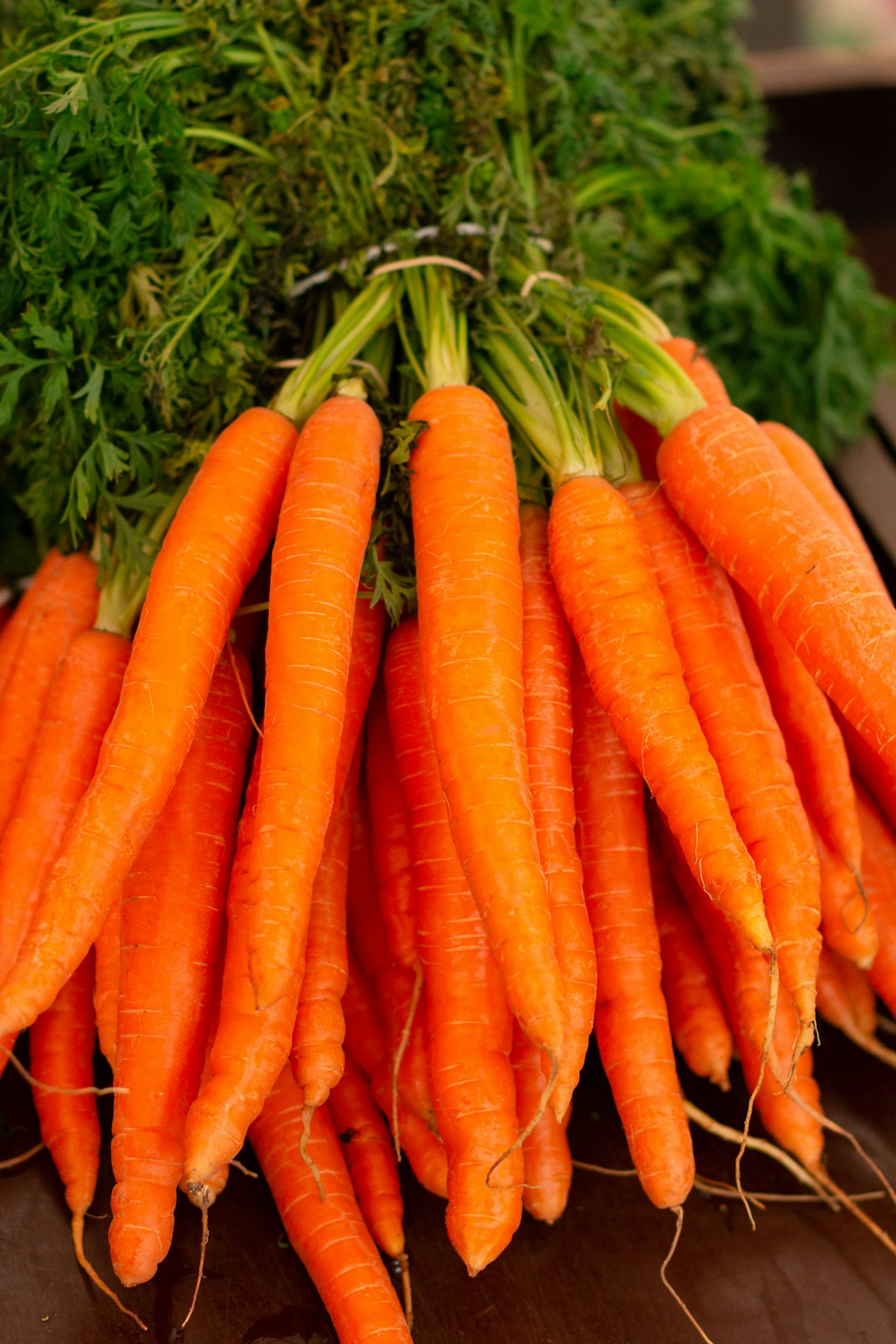
Beta-carotene foods (orange and dark green produce) convert to vitamin A as needed for many patients.
Gentler options many people use during flares
- Peeled cooked carrots or carrot puree
- Mashed sweet potato
- Fortified milk alternatives if used
- Eggs (contain preformed vitamin A) when tolerated
Wider options when remission allows more variety
- Cooked spinach and other leafy greens
- Cantaloupe if tolerated
- Tomato products
- Fortified cereals
Food first is the usual starting point. Supplements belong under clinician guidance, especially if you have kidney disease, take interacting medicines, or already use a multivitamin.
Supplements and safety notes
Do not stack multiple high-vitamin-A supplements, cod liver oil mega-doses, and fortified products without adding up retinol activity equivalents. Deficiency treatment doses are medical, not DIY.
Labs and monitoring people ask about
- Vitamin A testing is not routine for every patient; ordered when risk or symptoms suggest need
- Review fat-soluble vitamins (A, D, E, K) together after major resections when indicated
- Night vision changes deserve a clinic call, not only a supplement aisle visit
Log meals and symptoms in IBDPal so your team can connect intake patterns with labs. See how IBDPal sets nutrition targets and food symptom tracking.
Common myths about vitamin a and IBD
- I can take as much vitamin A as I want because it is natural. Retinol toxicity is real.
- Carrots alone prove my vitamin A status is perfect. Intake helps; malabsorption still needs clinical judgment.
- Vitamin A cures leaky gut in IBD. Marketing phrase, not a substitute for IBD therapy.
Questions for your gastroenterologist or dietitian
- Do my surgery history and fat absorption suggest fat-soluble vitamin monitoring?
- Is my multivitamin already high in retinol?
- What food plan raises vitamin A safely in pregnancy planning?
When to call sooner
Seek prompt care for severe weakness, irregular heartbeat symptoms, fainting, inability to keep fluids down, heavy bleeding, or fever with rapid decline. Nutrient articles cannot diagnose emergencies. See flare help and when to go to the ER.
Related reading: carrots · sweet potatoes · micronutrient overview. Overview: micronutrient deficiencies in IBD. Hub: IBD nutrition.
Photos: Unsplash License (free use).
Medical Disclaimer
This article is for educational purposes only and should not replace professional medical advice, diagnosis, or treatment. Always consult your healthcare provider regarding dietary, medication, or lifestyle decisions.
Was this article helpful?