

Sleep and Rest During IBD Flares: Why Slowing Down Helps
Posted on June 6, 2026 · Wellness
Content note: Educational content aligned with publicly available patient materials from the Crohn's & Colitis Foundation and other major IBD education sources. Content is used under license from the Foundation for patient education; the Foundation does not endorse IBDPal or MediVue products or services. Last reviewed August 2026. Not individual medical advice.
Educational use only. IBDPal does not provide medical advice, diagnosis, or treatment. Always consult your gastroenterologist or IBD care team for personal decisions.
Night trips to the bathroom. Cramps that wake you at 3 a.m. Steroids that buzz like coffee in your veins. If flares and sleep feel like enemies, you are not alone. Rest is not laziness, it is part of how bodies heal.
Why Sleep Matters for Inflammation
Sleep supports immune balance, mood, and pain tolerance. Fragmented nights can leave you more sensitive to discomfort and less patient with the day ahead. Protecting rest is a legitimate medical goal, mention sleep troubles at appointments.
Bedroom Tweaks That Help
- Dim lights an hour before bed; use nightlights for safer bathroom trips
- Keep the room cool and quiet; white noise masks household sounds
- Charge phones away from arm’s reach to reduce scroll loops
- Layer bedding for temperature swings and night sweats
Pacing Daytime Energy
Think energy budgeting: urgent tasks in the morning, recovery blocks after. Lying down twenty minutes, not necessarily sleeping, can prevent the evening crash. If you nap, set a gentle alarm so night sleep stays possible.
Food and Fluids Before Bed
Large late dinners can stir symptoms. A small bland snack may steady some people; others do better with an earlier kitchen close. Reduce caffeine after lunch and discuss alcohol with your clinician, it can fragment sleep and irritate the gut.
Medications and Timing
Steroids and some symptom meds affect sleep. Ask whether dosing earlier in the day helps. Never adjust prescriptions without guidance.
When Nights Stay Rough
Track sleep in IBDPal or a simple diary: bedtime, wake-ups, pain, and stool urgency. Patterns guide adjustments, melatonin trials, antispasmodics at night, or mental health support for anxiety-driven insomnia.
Permission to Rest
Culture glorifies pushing through. With IBD, rest is strategy. Clear your calendar where you can, delegate chores, and tell your team honestly: “I am in a flare; I need slower days.” Healing includes closed eyes, not just cleared calendars.
Why flares destroy sleep
Nocturnal bowel movements, pain, and anxiety fragment sleep during active Crohn's or colitis. Poor sleep then lowers pain tolerance the next day.
Steroids and caffeine can add insomnia on top of gut symptoms.
Recognizing the cycle helps you ask for targeted support rather than blaming yourself.
Sleep hygiene that respects IBD realities
Keep a dim night-light path to the bathroom to avoid full wakefulness. Prepare supplies within reach.
Limit fluids right before bed if your clinician agrees, balancing hydration needs.
Screen curfew one hour before sleep reduces stimulation when mind racing is common.
Medical contributors to address
Untreated anemia and thyroid disease worsen fatigue and sleep quality. Labs may be due.
Pain control plans should allow rest without excessive sedatives that cause constipation.
Mental health screening identifies anxiety driving nighttime awakenings.
Strategic daytime rest
Short naps before twenty minutes may help without disrupting night sleep. Longer naps can backfire.
Flexible work or school accommodations during severe flares protect recovery.
Gentle yoga or breathing exercises before bed calm the nervous system for some patients.
Common questions
Should I take melatonin during flares?
Ask your clinician. Interactions and timing with other meds matter.
Is waking to stool every night always a flare?
Frequent nocturnal stools often signal active inflammation. Report them promptly.
Can poor sleep alone cause diarrhea?
Stress from insomnia may worsen symptoms, but new bleeding still needs medical review.
Use white noise to mask small apartment sounds that startle light sleepers.
Track sleep hours alongside stool count in one journal.
Bring a written symptom and medication list to each gastroenterology visit so limited appointment time is used well.
Patient education supports shared decision making; it does not replace individual medical assessment by your IBD team.
Track patterns over one to two weeks before clinic visits because single-day snapshots can mislead both you and your clinician.
Tell your team about travel, work stress, sleep changes, and menstrual cycle timing when symptoms shift unexpectedly.
Medication adherence and follow-up labs are as important as diet changes for many people living with Crohn's disease or ulcerative colitis.
Discuss how this topic applies to your current disease activity with your gastroenterologist rather than relying on general online advice alone.
Second opinions are reasonable when plans feel unclear or symptoms persist despite treatment you are already following.

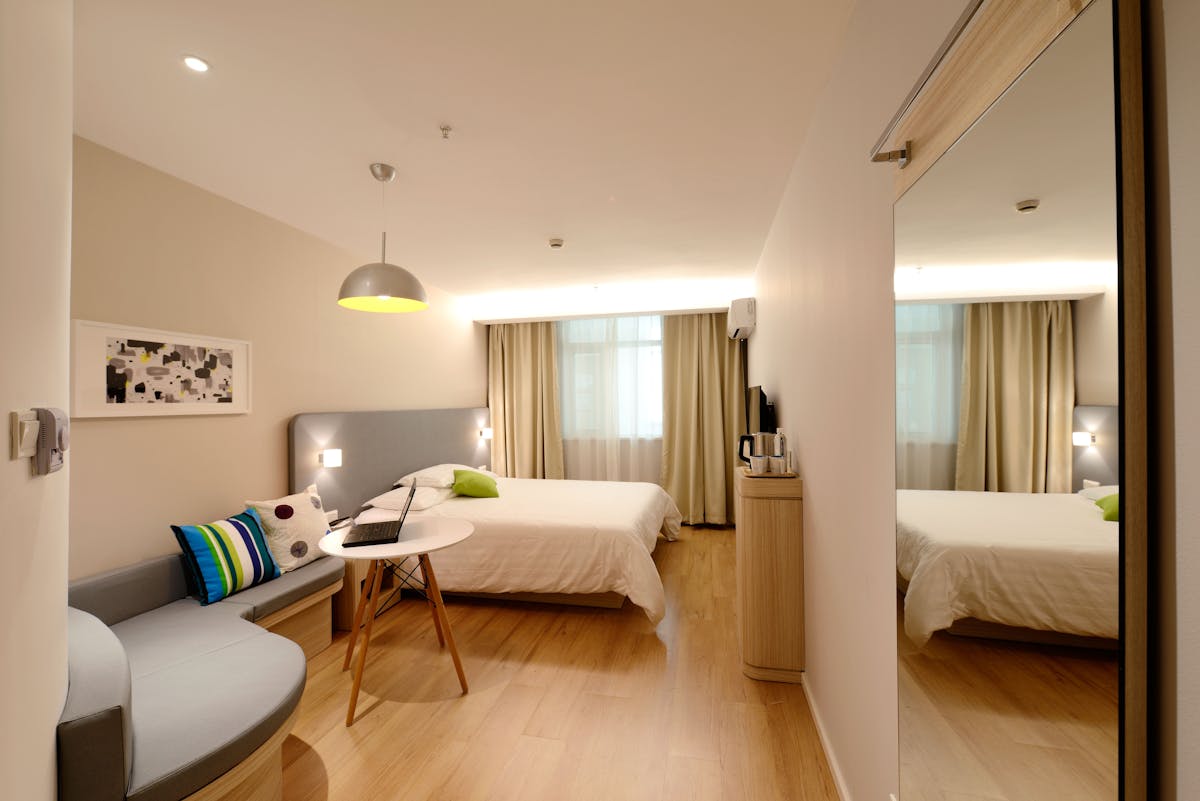
Photos: Unsplash License (free use).
Medical Disclaimer
This article is for educational purposes only and should not replace professional medical advice, diagnosis, or treatment. Always consult your healthcare provider regarding dietary, medication, or lifestyle decisions.
Was this article helpful?