
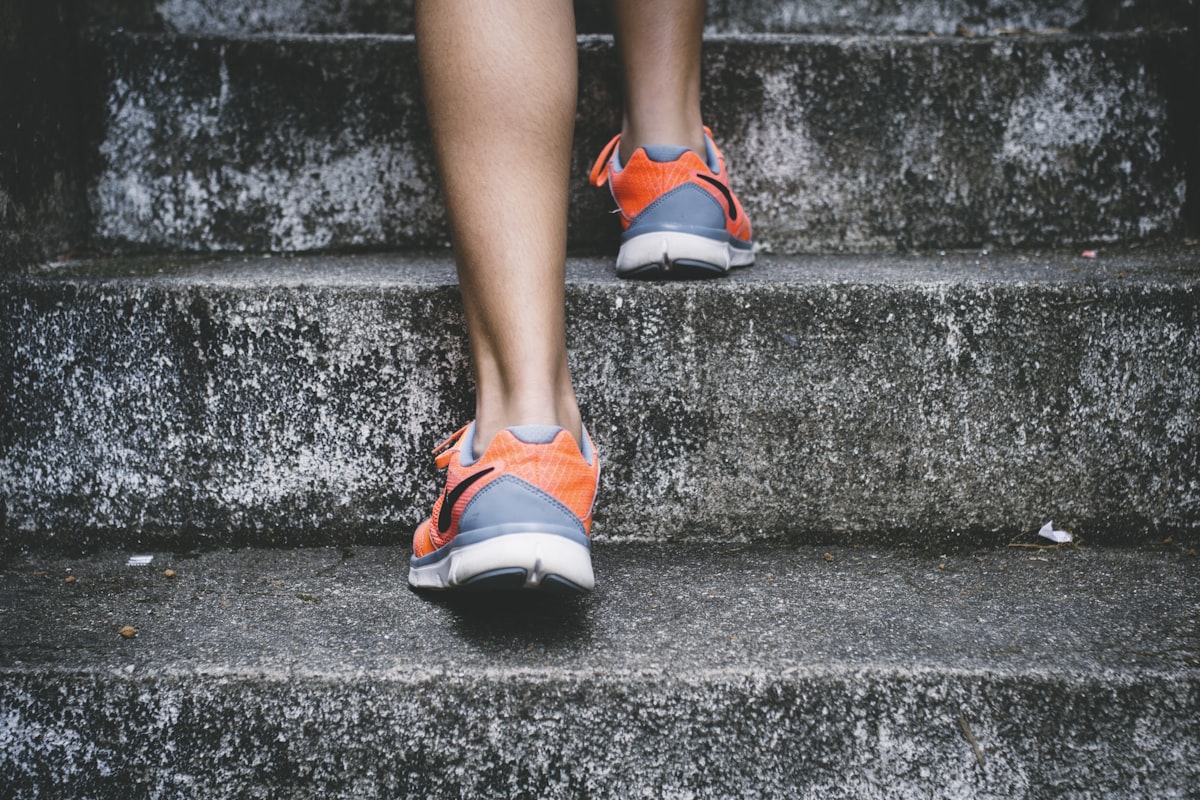
Exercise During an IBD Flare: What Is Safe, What to Pause, and How to Restart
Posted on September 27, 2026 · Wellness
Content note: Educational content aligned with publicly available patient materials from the Crohn's & Colitis Foundation and other major IBD education sources. Content is used under license from the Foundation for patient education; the Foundation does not endorse IBDPal or MediVue products or services. Last reviewed August 2026. Not individual medical advice.
Educational use only. IBDPal does not provide medical advice, diagnosis, or treatment. Always consult your gastroenterologist or IBD care team for personal decisions.
Google queries like exercise during flare and can I workout with a Crohn's flare reflect a real conflict: rest feels necessary, but total bed rest accelerates deconditioning. The useful answer is graded activity based on flare severity, not a single yes or no.
Define the flare severity before you lace up
- Mild: slightly more stools, manageable fatigue, no fever → short walks or gentle yoga often discussed
- Moderate: urgency, pain, clear fatigue → 10 to 20 minute restorative movement, more rest days
- Severe: fever, heavy bleeding, dehydration, obstruction warning signs → medical care first, not gym goals
Use flare help, GI vs ER, and obstruction warnings when symptoms escalate.
Movement options that usually fit mild flares
- Flat walking near bathrooms
- Restorative yoga or stretching in bed/chair
- Very light resistance bands if dizziness is absent
- Breathing and posture resets between bathroom trips
What to pause
- HIIT, long runs, and competitive sports far from toilets
- Heavy lifting with breath-holding
- Hot yoga and overheated studios when dehydrated
- "Push through pain" messaging from fitness influencers
Restart plan after the flare settles
Return at about half prior volume for one to two weeks, then add 10 to 20 percent if stools, energy, and pain remain stable. Sudden comeback weeks are a common way people feel wiped out and panicked. Coordinate restarts with steroid tapers and nutrition recovery.
Nutrition and fluids are part of the exercise decision
If you cannot keep fluids or protein down, exercise is not the priority. See flare foods, dehydration signs, and electrolytes.
Clinic script you can copy into the patient portal
"My IBD flare is currently mild/moderate/severe (describe stools, blood, fever, pain). Which activities are reasonable this week, and which should I pause until calprotectin or symptoms improve?"
Short portal messages get faster answers than pasted workout screenshots. Attach your medication list and say whether you are in flare, remission, or recovering from surgery.
Questions people search before they start moving
Will resting make me lose all my progress?
Short rests protect healing. You can rebuild. Ignoring a severe flare to protect a streak risks worse setbacks.
Can exercise shorten a flare?
Do not use workouts to "sweat out" inflammation. Treat medically and keep movement supportive.
What about joint flares with gut flares?
Choose pool walking or chair mobility if land impact hurts. Ask rheumatology/GI as needed.
Should I stop biologics to exercise?
Never stop prescribed IBD therapy for fitness goals without your clinician.
More detail readers ask after reading about flare-season exercise
Take a second pass with a notebook. Circle what matches your flare pattern, surgery history, joint pain, anemia, or ostomy setup. Bring those notes to clinic instead of copying a stranger's gym plan overnight.
Write a personal red-yellow-green activity list while you are well so flare weeks feel less chaotic.
Caregivers can help with short supervised hallway walks in hospital settings when cleared.
Track post-exercise stool changes for 24 hours; delayed urgency matters.
Mental health dips during flares are common. Tiny outdoor light exposure can help mood even when gyms are off-limits.
Education supports shared decisions. It does not replace your gastroenterologist, surgeon, dietitian, or physical therapist. Stop and seek care for chest pain, fainting, fever with bloody stools, vomiting that will not stop, or a sudden severe abdominal change that feels unlike your usual IBD pattern.
Related: walking, yoga, strength training.
Mild, moderate, and severe flare activity bands
Mild flare days may allow short walks and gentle mobility. Moderate flares often need chair stretches and rest. Severe flares with fever, heavy bleeding, or dehydration usually mean pause formal exercise and contact care. Write your own band definitions with your clinician so you are not guessing at 2 a.m.
Restarting without rebounding into overtraining
After a flare, return at about half the duration you left. Add minutes weekly only if stools, energy, and pain stay stable for several days. A rebound crash is common when people try to "make up" missed workouts.
Use infusion or steroid calendars as intensity governors. The day after a big clinic intervention is often a maintenance day, not a PR day.
Family and workplace communication scripts
Short scripts help: "I am in a flare and need lighter duty this week." You do not owe coworkers medical detail. For family walks, offer a shorter loop instead of canceling connection entirely.
If caregivers push exercise as a cure, share your clinician's written activity band. Outside pressure is a common reason people overdo flares and then crash harder.
Nutrition support while movement is limited
When exercise volume drops during a flare, nutrition and hydration do more of the recovery work. Follow your dietitian's flare plan rather than cutting food because you moved less. Undereating during inflammation worsens fatigue and muscle loss.
See also flare help and the first 48 hours of a flare for symptom triage that sits beside any activity decision.
Cold weather can stiffen joints linked to IBD. Longer warm-ups and indoor alternatives keep momentum without outdoor bathroom anxiety.
When fitness goals should wait
Defer aggressive goals during severe flares, uncontrolled anemia, active obstruction concerns, or the early post-operative window. Healing first preserves the chance to train later. Ask for written clearance after surgery before core-heavy work.
If exercise repeatedly triggers panic about incontinence, address pelvic floor and behavioral strategies with specialists rather than forcing exposure alone.
Insurance, referrals, and what to ask for
Ask your GI for PT, dietitian, or behavioral health referrals in writing when symptoms and fitness goals collide. Insurance often needs a diagnosis code and a clear functional goal such as walking tolerance or pelvic floor dysfunction.
Bring a one-page summary of meds, surgeries, and your current activity ceiling. Specialists move faster when they are not reconstructing history from memory.
Red flags that mean stop and message care
Pause formal training and contact your team for new fever, heavy bleeding, black stools, fainting, chest pain, vomiting that will not stop, or pain that feels unlike your usual IBD baseline after activity.
Keep expectations kind on flare weeks and ambitious only when energy, hydration, and bathroom access are stable enough to support training. Small course corrections protect long-term fitness habits for people living with Crohn's or ulcerative colitis.
Sleep, fatigue, and next-day readiness
Poor sleep raises perceived effort even when inflammation is quiet. If you woke exhausted, cut volume before you cut the habit entirely. A ten-minute session that you finish is better than a skipped sixty-minute plan that breeds guilt.
Track next-morning energy for two weeks. If every workout costs you the following day, intensity is too high for your current disease and recovery load.
Hydration and electrolytes around activity
Diarrhea, ostomy output, and sweat stack quickly. Sip through sessions instead of chugging only at the end. Ask your clinician before using high-sugar sports drinks or concentrated electrolyte packets if those formulas trigger stools.
Coffee before workouts is a personal experiment. For some it helps mobility; for others it accelerates urgency. Test on low-stakes home days, not race mornings.
Building a support circle that understands IBD
Tell one workout partner your bathroom plan so you never have to invent an excuse mid-session. Join communities that treat chronic illness as normal logistics, not inspiration porn.
Parents, partners, and roommates can help with route planning and post-flare meals. Shared calendars reduce the mental load of rebuilding activity alone.
Measuring progress without obsession
Useful metrics include minutes completed, average urgency rating, sleep quality, and how many sessions you restarted after a flare. Vanity metrics like consecutive streak freezes often punish necessary rest.
Celebrate the first week you returned after a setback. That skill predicts long-term fitness more than any single PR while living with IBD.
Medication timing and workout windows
Some people feel best the day after an infusion; others feel wiped. Log your personal pattern for a month before judging a training plan as failed. Steroid bursts can temporarily inflate capacity and then crash it on the taper.
If anti-diarrheals or pain medications are part of your plan, ask whether timing them around activity is appropriate. Never add over-the-counter agents just to force a workout without clinician guidance.
Workplace and school activity constraints
Desk jobs and long classes create stiffness that yoga or walking can ease, but bathroom access at work still governs what is realistic at lunch. Advocate for reasonable restroom access rather than skipping movement entirely.
Students can use campus gyms with multiple restrooms or dorm-floor mobility. Short sessions between classes beat weekend hero workouts that collide with flares.
What to tell friends who want to "push you"
Well-meaning friends may treat rest as quitting. A calm reply helps: "My plan is medical, not motivational. I am still training inside the limits my gut allows today." People who cannot respect that are not safe workout partners.
Invite supporters to walk your shorter route with you instead of debating whether you should do their longer one. Shared movement builds trust faster than arguments.
Putting it together for the next 30 days
Pick one primary mode from this article, two backup shorter options, and one rest rule you will actually follow. Review the plan after four weeks with your notes and your care team. Adjust for seasons, surgeries, and medication changes without starting from zero each time.
Education pages like this exist to make clinic conversations concrete. Bring the sections that match your life, cross out what does not, and leave with a written activity ceiling you and your clinicians both understand.
A week-by-week starter checklist
Write three columns labeled green, yellow, and red. Green means your usual movement plan. Yellow means shorter sessions near bathrooms. Red means rest and message clinic. Update the list after each flare so you are not inventing rules while exhausted.
Put medications, infusion days, and sleep debt on the same calendar as workouts. Many people feel different the day after biologics, steroids, or poor sleep. Planning around those days prevents all-or-nothing streaks.
How to log what actually matters
Track five fields for two weeks: activity type, minutes, stool urgency during or after, energy the next morning, and pain location. Bring the log to GI or PT visits. Patterns beat single bad days when deciding whether to progress.
IBDPal meal and symptom logging can sit beside this fitness log so clinicians see food, stools, and movement together instead of separate stories.
Equipment and environment that reduce friction
Keep a restroom-aware kit: wipes, a spare layer, water bottle, and any prescribed rescue plan your clinician approved. Soft waistbands beat tight compression if bloating or an ostomy appliance needs space.
Home options count. Chair mobility, hallway laps, and light dumbbells remove the commute barrier on low-motivation days. Expensive studios are optional.
Working with specialists without getting conflicting advice
Ask GI, dietitians, and physical therapists to comment on the same written plan. Conflicting verbal tips are common when each visit is short. A one-page plan in the portal reduces "I thought you said I could…" confusion.
If joint disease, anemia, or heart conditions coexist with IBD, say so explicitly. Fitness advice for isolated gut disease may not fit multi-system reality.
Mindset without toxic hustle culture
Consistency over intensity is the IBD-friendly slogan. Missing a week for a flare is medical adherence, not laziness. Restart at a fraction of prior volume and rebuild.
Unfollow accounts that shame rest or push "no excuses" messaging around chronic illness. Choose educators who mention bathroom access, fatigue, and medical clearance.
Seasonal and travel adjustments
Heat, travel days, and holiday schedules change fluid needs and restroom density. Shrink session length before trips and rebuild after you return. Pack appliances and medications in carry-ons before you pack shoes.
Photos: Unsplash License (free use).
Medical Disclaimer
This article is for educational purposes only and should not replace professional medical advice, diagnosis, or treatment. Always consult your healthcare provider regarding dietary, medication, or lifestyle decisions.
Was this article helpful?