
Bone Broth and IBD: Gut Healing Claims Versus Reality
Posted on August 15, 2026 · Nutrition
Content note: Educational content aligned with publicly available patient materials from the Crohn's & Colitis Foundation and other major IBD education sources. Content is used under license from the Foundation for patient education; the Foundation does not endorse IBDPal or MediVue products or services. Last reviewed August 2026. Not individual medical advice.
Educational use only. IBDPal does not provide medical advice, diagnosis, or treatment. Always consult your gastroenterologist or IBD care team for personal decisions.
Bone broth is marketed as a gut sealant for IBD. Warm broth can be soothing and hydrating for some people. It is not a biologic, steroid, or endoscopy-proven healing protocol.
What broth actually provides
Simmered bones yield protein fragments, minerals in modest amounts, and often a lot of salt.
- Comfort and fluid intake can help when solid food feels hard
- Collagen peptides in broth are not the same as targeted IBD drugs
- Store brands vary widely in sodium and added onion or garlic
- Broth alone rarely meets calorie and protein needs during underweight flares
- Food safety matters with long home simmering and leftovers
How to use broth thoughtfully
- Treat broth as a gentle fluid or soup base, not a cure
- Check labels if FODMAP-sensitive aromatics bother you
- Pair with tolerated carbs and protein if weight is low
- Ask your team before relying on broth as primary nutrition
See collagen supplement education for related marketing claims. Prescribed therapy still leads inflammation care.
When to seek care promptly
- Fever with severe abdominal pain after homemade broth (foodborne illness concern)
- Swelling or breathing trouble if you have known meat or additive allergies
- Black stools or heavy bleeding
This page cannot diagnose you. Severe bleeding, black tarry stools, fainting, fever with rapid decline, or inability to keep fluids down need urgent evaluation. See when to go to the ER and flare help.
Common myths
- Bone broth seals leaky gut in IBD. Marketing phrase; IBD healing is judged clinically.
- Daily broth replaces protein shakes or meals. Calories and complete nutrition usually fall short.
- Homemade broth is risk-free. Sodium, spices, and food safety still matter.
Questions for your gastroenterologist
- Does broth fit my current sodium and FODMAP limits?
- How should I build calories beyond soup?
- Any interaction with my medicines or labs?
Track patterns in IBDPal and bring a one-week log to visits. Related: collagen supplements · electrolytes · nutrition hub. Hub: stool and labs decoder.
Claims versus composition
Bone broth contains collagen, minerals, and sodium from simmered bones. It is a comforting fluid, not a proven mucosal healing drug.
Warm liquids soothe some patients during flares when solid food is hard. Hydration and sodium can help if losses are high.
Marketing often overstates gut repair timelines. Inflammation control still depends on medical therapy.
Practical use during symptom flares
Sip broth between meals if appetite is low. Pair with protein sources when solids return.
High sodium broths may not suit heart failure or hypertension. Choose lower-salt versions if needed.
Homemade batches let you control ingredients; store-bought versions vary widely.
Risks and limitations
Lead content in some bone sources has been reported in studies. Moderation and varied protein matter.
Broth alone lacks adequate calories for long-term nutrition. Do not substitute for enteral formulas when those are prescribed.
Fatty broths may trigger urgency in bile acid diarrhea.
Better-supported healing supports
Adequate protein, vitamin D, and treatment adherence promote tissue recovery.
Smoking cessation improves Crohn's outcomes more than any broth recipe.
Follow-up endoscopy or calprotectin shows healing better than subjective comfort alone.
Common questions
How much broth per day is reasonable?
As a comfort fluid within overall hydration goals, not as sole nutrition unless your dietitian plans it.
Is store-bought bone broth enough?
It can be part of varied intake. Check sodium and protein per serving.
Can broth replace anti-inflammatory meds?
No. Never stop prescribed therapy for food trends.
Add well-cooked carrots or rice to broth for gentle calories.
Freeze portions for flare weeks when cooking feels impossible.
Bring a written symptom and medication list to each gastroenterology visit so limited appointment time is used well.
Patient education supports shared decision making; it does not replace individual medical assessment by your IBD team.
Track patterns over one to two weeks before clinic visits because single-day snapshots can mislead both you and your clinician.
Tell your team about travel, work stress, sleep changes, and menstrual cycle timing when symptoms shift unexpectedly.
Medication adherence and follow-up labs are as important as diet changes for many people living with Crohn's disease or ulcerative colitis.
Discuss how this topic applies to your current disease activity with your gastroenterologist rather than relying on general online advice alone.
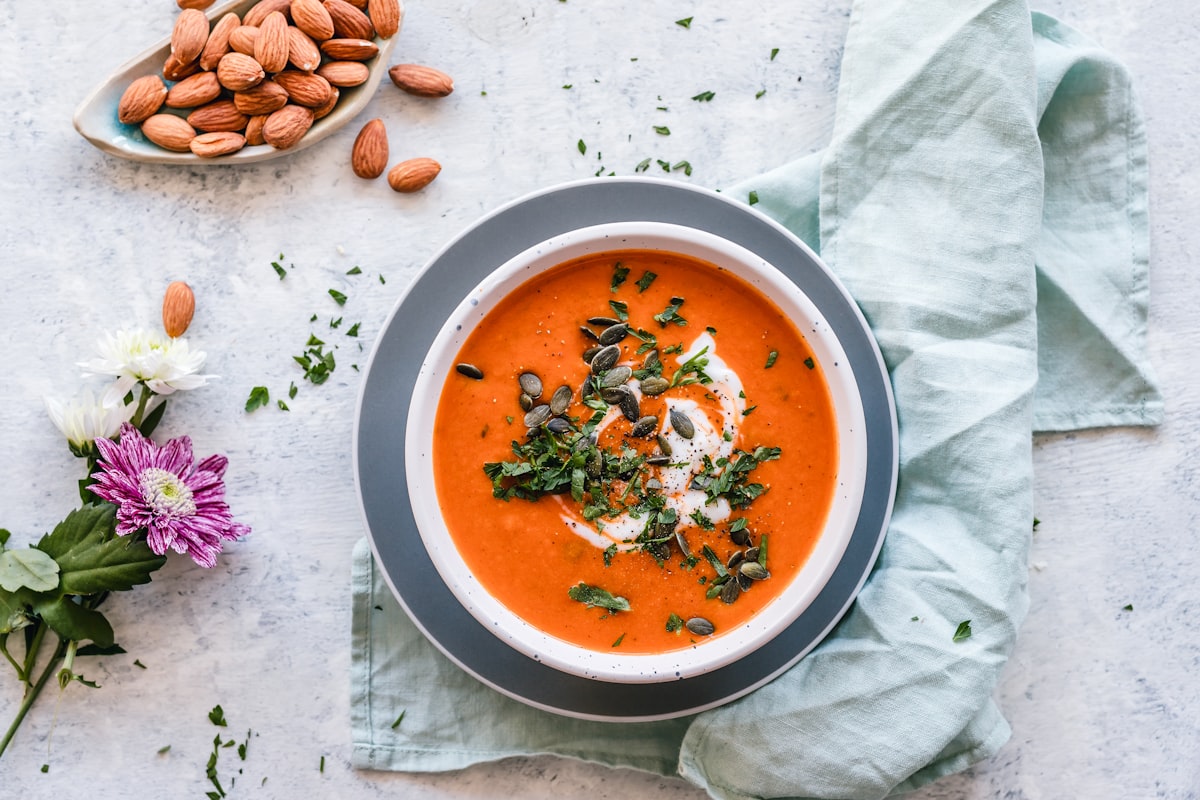
Photo: educational food illustration for IBDPal (free educational use).
Medical Disclaimer
This article is for educational purposes only and should not replace professional medical advice, diagnosis, or treatment. Always consult your healthcare provider regarding dietary, medication, or lifestyle decisions.
Was this article helpful?